
Vandaag of morgen in huis

Kwaliteit gegarandeerd

Welkomstaanbiedingen ontgrendelen: GRATIS bezorging | Tot 80% korting | Gratis 30 dagen JoyPlus-proefperiode
Download de app
Buying a sports drink seems straightforward – until you have to choose between a pre-workout shot, a sugar-free energy drink, a protein drink or an isotonic sports drink. The packaging often promises energy, focus, hydration and recovery all in one bottle. In reality, each drink serves a different purpose.
So pay close attention to the ingredients, dosage and when you plan to use it. That way, you won’t end up buying a caffeinated drink for hydration, or reaching for a protein drink when you actually need carbohydrates and electrolytes.
A sugar-free energy drink with caffeine can work well before a workout or during a busy day, but it isn’t automatically an isotonic sports drink. Caffeine says nothing about the amount of fluid, carbohydrates or electrolytes.
For longer or more intense exercise, an electrolyte drink or isotonic sports drink may be a better choice. In that case, check the amount of carbohydrates, sodium, magnesium and potassium per serving.
Sugar-free can be useful if you want to keep your calorie intake low. However, sugar isn’t always a bad thing. During prolonged exercise, carbohydrates can actually play a key role in fuelling your performance. According to the product information, Body & Fit Isotonic Electrolytes Drink contains 32 grams of carbohydrates and 129 kcal per serving.
So the right choice depends on your activity. For a short gym session, a low-calorie drink may be sufficient; for endurance training, a carbohydrate-electrolyte solution is likely to be a better fit.
A pre-workout shot often contains a concentrated dose of caffeine in just 60 ml. According to the label, Optimum Nutrition Gold Standard Pre-Workout Shot Lemon Lime contains 175 mg of caffeine per bottle. Cellucor C4 Energy Preworkout Shot contains 150 mg of caffeine per 60 ml. Ghost Energy Original lists 200 mg of caffeine per can.
Add up coffee, tea, energy drinks and supplements. Always follow the warnings on the packaging. These products are generally not intended for children and are often not recommended for pregnant women, breastfeeding women or people who are sensitive to caffeine. If you are taking medication or have a medical condition, it’s wise to consult a healthcare professional.
First, decide what you need the drink for:
Don’t just compare the packaging – compare the content per serving too. A 60 ml shot can contain a similar amount of caffeine to a much larger can. With protein water, it’s useful to look at the grams of protein per bottle. According to the product information, Optimum Nutrition Protein Water contains 16 grams of whey protein isolate per 350 ml bottle.
With powders, you also need to check how much water and how many scoops are required. Body & Fit Isotonic Electrolytes Drink uses one 35-gram scoop with 500 ml of water. That determines how many servings you actually get from a pack.
Check the ingredients list for:
A whey-based protein water isn’t suitable for anyone who needs to avoid milk. A soya drink contains soya and may have added sugar. Vitasoy Original Soy Milk, for example, lists water, sugar and soya beans as key ingredients. According to the product information, Alpro Soya Drink Banana contains 3 grams of protein per 100 ml and 6 grams of sugar per 100 ml.
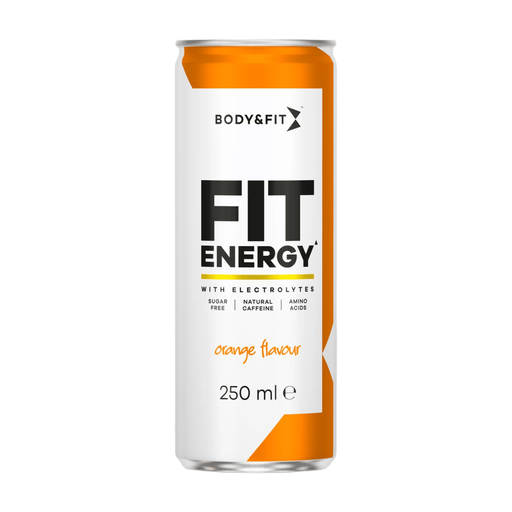
Why this fits the profile: A compact can for anyone who wants an occasional boost of energy and caffeine without a large pack or lots of calories.
The product information states 100 mg of caffeine, 10 kcal and a 250 ml serving. This makes it easy to gauge the amount per can.
Sugar-free according to the product description, with magnesium, electrolytes and amino acids per can.
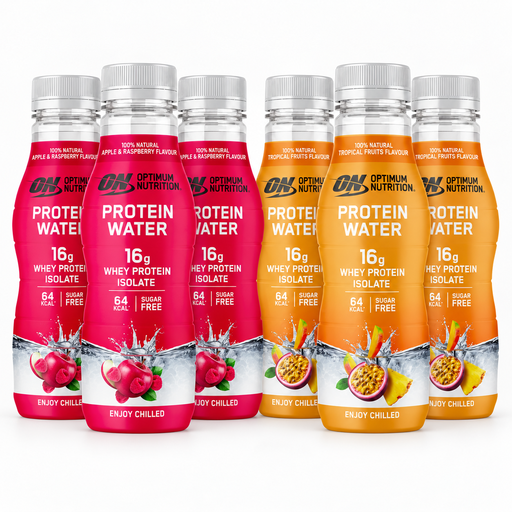
Why this fits the profile: Ideal for active consumers who want extra protein after exercise without a creamy shake.
The nutritional information states 16 grams of protein, 0 grams of sugar and 64 kcal per 350 ml bottle. So you know exactly what you’re drinking per serving.
Ready-to-drink, two fruit flavours in one bundle and whey protein isolate as the protein source. Contains milk.
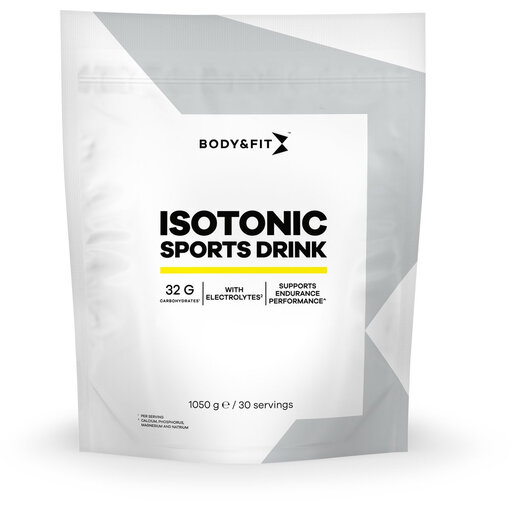
Why this fits the profile: Handy for cyclists, runners, team sports players and other athletes who want to mix their own drink during longer sessions.
The mixing ratio is clear: 35 grams of powder to 500 ml of water. Per serving, the product information states 32 grams of carbohydrates and 129 kcal.
1.05 kg of powder for, according to the product information, 15 litres of drink, with carbohydrates and minerals such as magnesium and potassium salts.
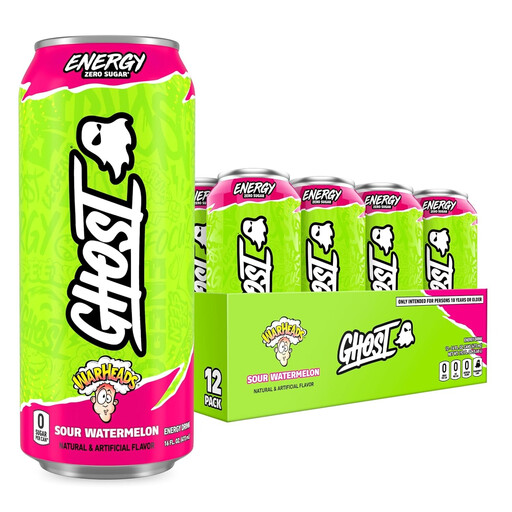
Why this fits the profile: If you’re specifically looking for a caffeine-free drink for the gym, work or on the go, it’s better to check the ingredients; this variant is designed for users who do want caffeine.
The product information clearly states 200 mg of caffeine per can and a maximum of one can per day. This makes it easier to compare with coffee or pre-workout.
Sugar-free according to the product description, with a pack of 12 cans and a content of 473 ml per can.
We’ve put together a full, up-to-date list of products that fully meet these strict selection criteria and comply with current European safety regulations.
For a short or standard gym session, water is often enough. If you want extra energy before your workout, look at a pre-workout shot or energy drinks and check the caffeine dosage. For longer exercise, an isotonic sports drink with carbohydrates and electrolytes may be a better choice.
No. Both can provide protein, but the texture is different. A protein drink is often creamy and milk-based. Protein water is usually clear and fruity. Check the protein source: whey contains milk, whereas a soya drink is plant-based.
Store unopened drinks according to the label, usually in a cool place out of direct sunlight. Once opened, many products need to be refrigerated and consumed within the stated period. Always check the best-before date, storage instructions and allergens on the packaging.
