
Vandaag of morgen in huis

Kwaliteit gegarandeerd

Welkomstaanbiedingen ontgrendelen: GRATIS bezorging | Tot 80% korting | Gratis 30 dagen JoyPlus-proefperiode
Download de app
An electrolyte supplement can be useful when you sweat heavily during exercise, spend a long time travelling or simply want to add flavour and minerals to water. However, many products look similar. One may mainly contain sodium and potassium, while another adds vitamins, caffeine, carbohydrates or sweeteners.
The packaging does not always immediately tell you how much you consume per serving. So do not just look for terms such as “hydration” or “isotonic”; compare the ingredients, dosage and intended use.
A product may be described as “rich in electrolytes”, even though the amounts per tablet or sachet are limited. So check the nutritional table per serving, not just per 100 grams. At the very least, look at sodium, potassium, magnesium, calcium and chloride.
Sugar-free electrolytes contain little or no sugar, which can be practical for everyday use or short workouts. During longer periods of exercise, a product containing carbohydrates may be more suitable. An isotonic sports drink often contains sugar or other sources of carbohydrates. That does not automatically make it more suitable: it depends on your activity and overall nutritional intake.
Some products combine electrolytes with vitamins, taurine, amino acids or caffeine. This may seem useful, but it makes comparisons more difficult. Check whether you already take other supplements and pay attention to warnings. According to the relevant manufacturer's product information, some products may not be suitable for under-18s, during pregnancy or breastfeeding, or when taking medication.
A supplement is not a substitute for a varied diet. If you have a medical condition or are unsure about combining products with medication, it is sensible to consult a doctor or pharmacist.
The composition determines what a product is practically suitable for. Sodium is often relevant when you sweat heavily, while potassium, magnesium and calcium are also found in various formulas. Compare the values per tablet, stick or bottle.
Pay attention to the difference between a concentrated serving and the recommended dilution. A powder dissolved in 200 ml of water will taste and be dosed differently from the same type of product intended for 500 ml.
If you want to limit calories or sugar, look for terms such as zero sugar, “no added sugars” and the actual nutritional table. “Vegan” mainly indicates whether a product is suitable for a vegan diet; it does not automatically say anything about the amount of electrolytes.
Also check allergens, caffeine and the recommended maximum dosage. Product information and ingredients may change, so always read the current label before use.
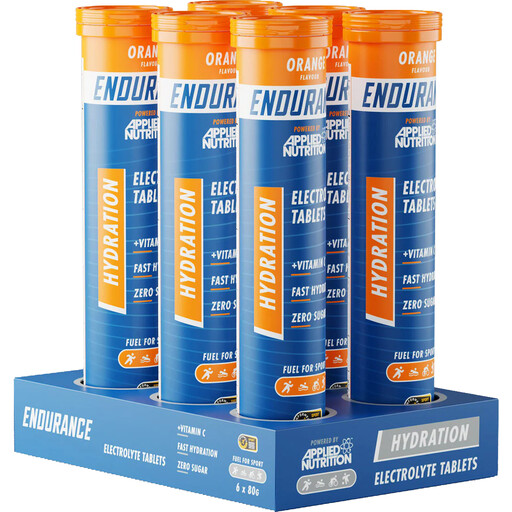
Why it suits this profile: The effervescent tablets are easy to dose: according to the product information, dissolve one tablet in 200 ml of water. The pack contains six tubes of twenty tablets.
The amounts are stated per tablet: 270 mg of sodium, 100 mg of potassium and 40 mg of vitamin C. According to the product information, it also contains 0 grams of sugar per 100 grams.
Vegan and vegetarian according to the product information, with 6 kcal per tablet and suitable for use in a sports bottle or glass.
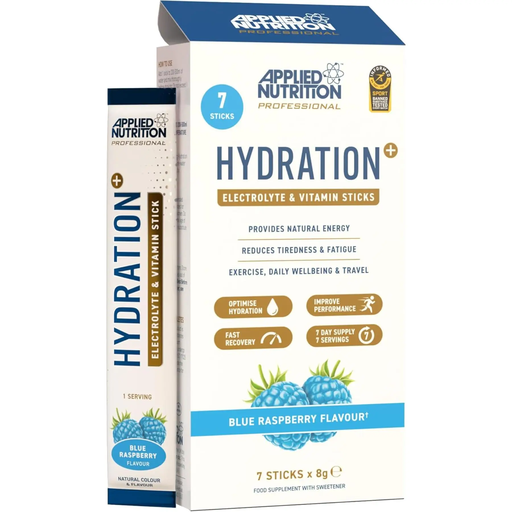
Why it suits this profile: Individual sticks are practical for travelling, cycling and the gym. According to the product information, one stick contains approximately 1,190 mg of electrolytes and seven added vitamins.
The serving size is clear: dissolve one stick in 200 to 500 ml of water. Each stick also contains 0.6 grams of sugar and 10 kcal, so the product is not completely sugar-free.
Vegan and free from gluten and dairy according to the product information, with magnesium, potassium, calcium, sodium and chloride.
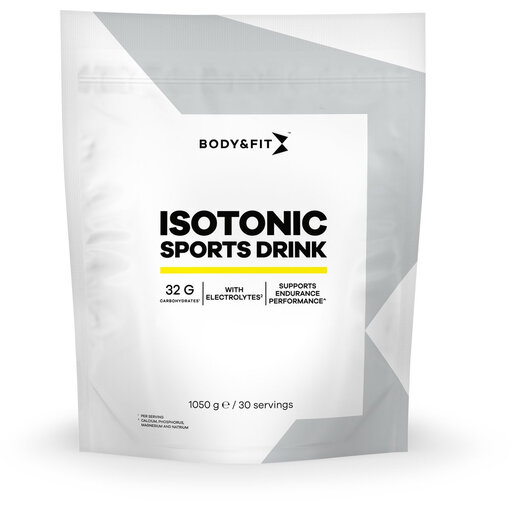
Why it suits this profile: This powder is intended for users who want to prepare a larger quantity of drink during longer workouts. According to the product information, 35 grams is intended for 500 ml of water.
The mixing ratio and total contents are stated: 1,050 grams for approximately 15 litres of drink. Bear the carbohydrates and 129 kcal per serving in mind.
Large bulk pack, suitable for multiple exercise sessions and containing carbohydrates, magnesium, potassium, calcium and sodium according to the product information.
We have put together a complete, up-to-date list of products that fully meet these strict selection criteria and the applicable European safety regulations.
Take a supplement according to the dosage on the label and dissolve tablets or powder completely. Do not try a new product for the first time during a workout. This allows you to find out in good time whether the flavour, sweeteners or concentration suit you.
For short or gentle activities, water is often enough. During prolonged exercise, in warm weather or when you sweat heavily, an electrolyte drink may be more practical. Your needs vary depending on the individual and the duration of your workout. Do not automatically take multiple servings because you are exercising for longer; stick to the recommended maximum amount.
Tablets are pre-dosed and easy to take with you. Powder usually offers greater flexibility in quantity and may be more cost-effective for regular use. Always check how many millilitres of water one serving is intended for.
Not necessarily. According to product information, vitamins may contribute to certain normal bodily functions, but a supplement is not a substitute for food. Choose a formula with vitamins only when its composition suits your daily use and you want to avoid unnecessary duplicate intake.
Unopened products remain usable until the best-before date on the packaging. Store sticks and powder in a cool, dry place and keep them tightly sealed. Preferably drink a prepared electrolyte drink according to the instructions on the label and do not keep it for longer than indicated.
