
Vandaag of morgen in huis

Kwaliteit gegarandeerd

Welkomstaanbiedingen ontgrendelen: GRATIS bezorging | Tot 80% korting | Gratis 30 dagen JoyPlus-proefperiode
Download de app
At first glance, an electrolyte drink seems simple: open, drink, and you're done. Yet sports drinks, isotonic drinks, coconut water and sugar-free varieties differ greatly in their composition, format and when you should use them. A pack labelled with words like “hydration” or “sport” doesn't tell you much on its own.
For active adults, fitness enthusiasts and endurance athletes, there are three key pitfalls to watch out for:
First, look at the nutrition information panel and compare the values per 330 ml, 500 ml or 1 litre. This stops you from incorrectly comparing small and large packs.
A concrete example is Applied Nutrition NA11 Hydration. According to the product information, one 330 ml can contains:
According to the stated composition, the flavour variant doesn't change these amounts. This makes the product suitable for anyone specifically looking for a sugar-free electrolyte drink with a clearly stated sodium content.
With coconut water, the composition is different. Chaokoh 100% Pure Coconut Water states per 100 ml 149 mg potassium, 6.49 mg magnesium and 22.8 mg sodium. It naturally contains sugars, even when no sugar has been added. So “no added sugar” does not mean the same as “sugar-free”.
For a gentle bike ride, daily hydration or a hot day, a low-calorie hydrating drink can be pleasant. During longer or more intense exercise, carbohydrates can be a practical part of sports nutrition.
Body & Fit Isotonic Electrolytes Drink contains, according to the product description, 32 grams of carbohydrates and 129 kcal per serving. You mix one 35-gram scoop with 500 ml of water. This suits users looking for an isotonic drink for during exercise better than someone who just wants a sugar-free drink for daily use.
Pay attention to the difference between:
A 330 ml can is easy to take to the gym. A 1-litre pack is more convenient for home, after a long workout or for several people. Also check:
Optimum Nutrition Amino NRG + Electrolytes contains, according to the product specification, 100 mg of caffeine per 250 ml can. That's an important difference from a caffeine-free electrolyte drink. If you're sensitive to caffeine or train later in the day, it's worth checking this beforehand.
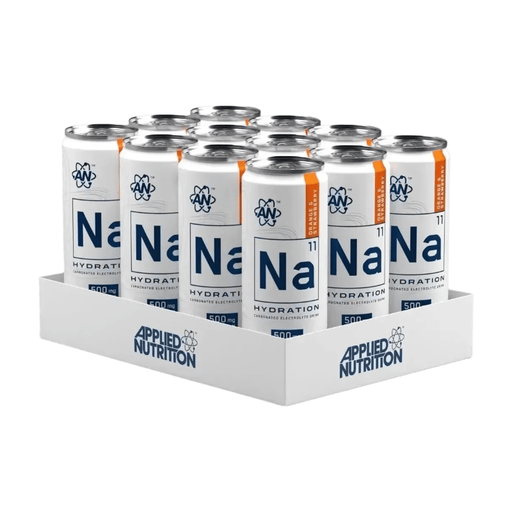
Why this fits the profile: The 12-pack of 330 ml cans is straightforward for anyone who trains regularly and wants to build up a steady supply. According to the label, the drink contains 0 grams of sugar and 7 kcal per can.
The nutritional values state sodium, potassium and magnesium per can. This means you don't have to rely solely on general terms like “hydration”.
500 mg sodium, 190 mg potassium and 56 mg magnesium per 330 ml; sugar-free and compact size.
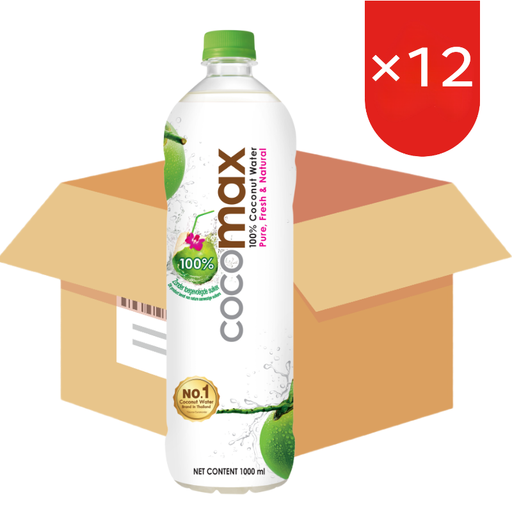
Why this fits the profile: This is a natural choice for home use, after exercise or for anyone looking for a coconut water with no added sugar.
The “no added sugar” claim is backed up by a nutrition information panel: per 100 ml it states 4.5 grams of sugar. So it is not sugar-free.
100% coconut water according to the product information; 12 packs of 1 litre for stocking up the fridge.
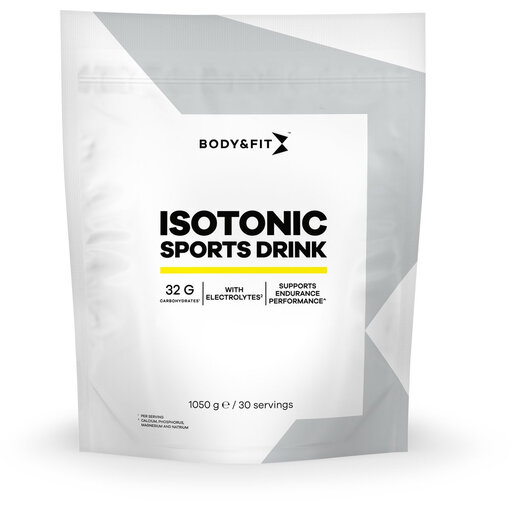
Why this fits the profile: The powder format is handy for workouts where you want to control the amount of water and servings yourself, for example when cycling, rowing or playing team sports.
The product information states both the mixing ratio and the carbohydrate and calorie content per serving. This makes it clear that this is not a sugar-free sports drink.
1,050 grams of powder; one scoop mixed with 500 ml of water; 32 grams of carbohydrates per serving according to the product description.
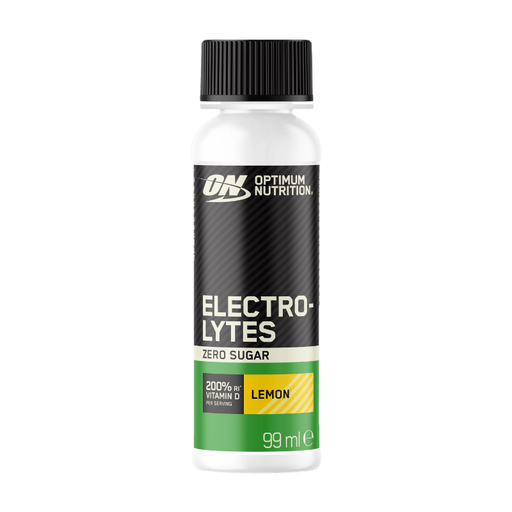
Why this fits the profile: The small size fits in a gym bag, hand luggage or cycle bag when a can or litre pack is awkward.
The serving is pre-measured and the product specification states 0.2 grams of sugar and 8 kcal per shot. Do check the relatively small volume.
400 mg potassium, 56 mg magnesium and 200 mg sodium per 99 ml according to the label; sugar-free variant with sweeteners.
We've put together a full, up-to-date list of products that fully meet these strict selection criteria and comply with current European safety regulations.
Not necessarily. For short or gentle workouts, water can be enough, depending on the conditions and your personal situation. In hot weather, during prolonged exercise or when sweating heavily, a drink with electrolytes can be more practical. Always compare the sodium, sugar and calorie content with your goal.
Coconut water naturally contains minerals and sugars. A sports drink or electrolyte drink can be specifically formulated with, for example, sodium, potassium and magnesium, and may contain sugars or carbohydrates. Check the label: coconut water with no added sugar is not automatically sugar-free.
Store unopened products according to the label, usually in a cool, dry place away from direct sunlight. After opening, coconut water generally needs to be refrigerated and used within the stated time. For powders, airtight, dry and dark storage is important. Always follow the best-before date and the instructions on the packaging.
