
Same-day & Next-day Delivery

Quality Guaranteed

Unlock Your Welcome Offers: FREE Delivery | Up to 80% OFF | Free 30-day JoyPlus trial
Download the APP
Asian ready meals are a lifesaver on busy workdays, a speedy lunch in the office or a snack on the go. But an appealing photo or the word “authentic” doesn’t tell you everything about what you’re buying. The portion might be small, the preparation could take longer than expected, and a frozen product may not fit in your freezer.
With this guide, you can compare Asian frozen meals, snacks and ready-to-eat dishes based on verifiable information. That way, you can make a choice that suits when you’re eating, your storage space and your preferences.
Brands use terms like authentic Asian dishes, street food or restaurant-style. These aren’t fixed quality standards. So look at the concrete product description, ingredients list, origin information and cooking instructions.
For example, the Ashoka meals describe a Bombay-style dish. That gives you information about the chosen cuisine and flavour direction, but it’s still important to check for yourself exactly what’s in it and how the dish should be heated.
A 100g pack, like Japanese onigiri, can work as a snack or light lunch. For a full meal, you may need extra rice, vegetables or another side dish. A 280g or 300g pack is usually more practical as a standalone meal, but do check the nutritional values per portion.
Also look out for multi-pack offers. A 3-pack or 6-pack can be good value if you eat the product regularly, but less convenient if you have limited freezer space or want to try different flavours.
Korean snacks, gyoza, bao buns and other frozen products usually need to be stored at the stated temperature. Many products require a freezer at -18 °C or lower. Once thawed, you often can’t refreeze them.
Check before you buy:
Under EU rules, the main allergens must be clearly listed. Check especially for gluten, wheat, soya, milk, egg, fish, shellfish, sesame, mustard and celery. Ingredients can vary by flavour.
Examples from the range:
Always read the label on the packaging. The actual packaging may contain more or different information than an online product page.
Compare nutritional values per 100g and per pack. That way, you avoid comparing a small portion with a full meal. With a quick Asian meal, don’t just look at calories, but also at protein, carbohydrates, fat and salt.
The Ashoka Bombay Biryani contains 280g and is described as a ready meal with basmati rice and vegetables. The Ashoka Instant Bombay Pav Bhaji also weighs 280g and, according to the product description, consists of mashed vegetables in a spiced tomato sauce. The Pav Bhaji lists milk and butter as allergens.
“Ready to eat” doesn’t always mean you should eat it cold. Some meals just need heating up, while other products need to be steamed or fried from frozen.
Practical examples:
If you only have a microwave, choose a product that clearly states that cooking method. For bao buns and dim sum, a steamer basket or a pan with a steamer insert is more convenient.
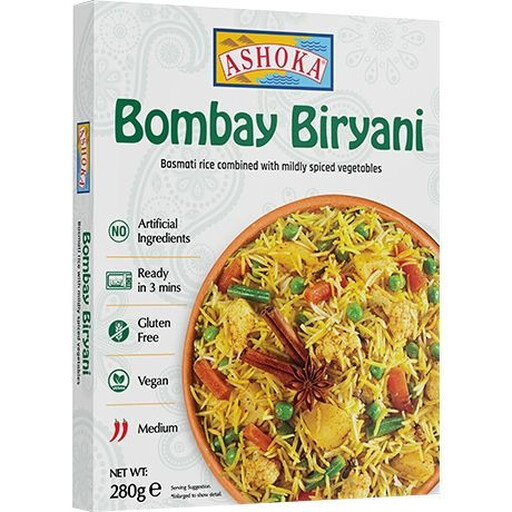
Why this fits the profile: This vegetarian ready meal is ideal for anyone who wants to try an Indian dish with basmati rice without complicated preparation. The pack contains 280g and is designed to be heated and served.
The product information lists ingredients, allergens and nutritional values per 100g. This means you can check the portion and composition rather than relying solely on marketing terms.
280g pack; basmati rice and vegetables; according to the product information, free from the 14 main EU allergens.
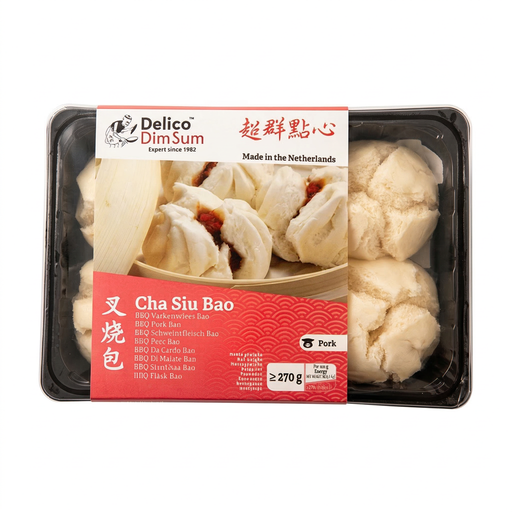
Why this fits the profile: A choice for anyone who wants to prepare Chinese dim sum at home and has a steamer basket. The soft bao buns are filled with char siu and can be steamed from frozen.
The cooking and storage instructions are specific: steam for 8 to 10 minutes from frozen and store at a maximum of -18 °C.
270g pack; steam from frozen; clear listing of wheat, soya and sesame as allergens.
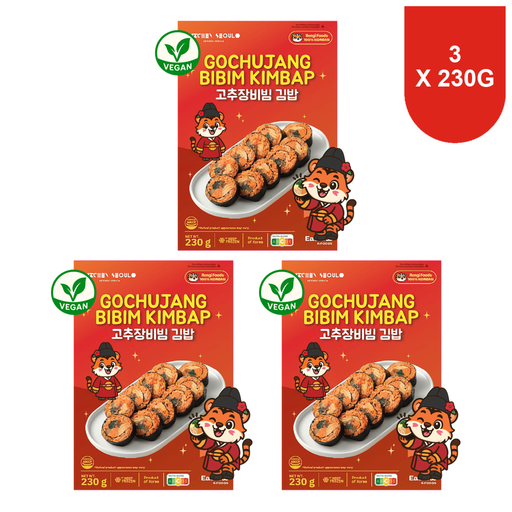
Why this fits the profile: This Korean kimbap in a 3-pack suits anyone who regularly wants Korean snacks or a quick lunch from the freezer. This variant contains gochujang and is prepared in the microwave, according to the product information.
The packaging states a cooking method and nutritional values. Do check the full ingredients list, which includes soya, wheat and sesame, among others.
3 packs; microwave cooking; 230g per pack; gochujang flavour according to the product description.
We’ve put together a full, up-to-date list of products that fully meet these strict selection criteria and comply with current European safety regulations.
Choose products with a short microwave cooking time and a portion that suits your lunch. Kimbap, onigiri and ready-to-eat rice dishes are practical options. Check beforehand whether your workplace has a microwave and whether the product needs to be stored frozen.
The exact shelf life is on the packaging. Store the product at the stated temperature, usually at -18 °C or lower, and use it before the date shown. After thawing, follow the instructions and do not refreeze the product if that’s not allowed.
That depends on the portion size, packaging and cooking method. A multi-pack can lower the price per portion, while an individual onigiri mainly offers convenience for a snack or light lunch. So compare the price per 100g or per portion, not just the price of the pack.
