
Vandaag of morgen in huis

Kwaliteit gegarandeerd

Welkomstaanbiedingen ontgrendelen: GRATIS bezorging | Tot 80% korting | Gratis 30 dagen JoyPlus-proefperiode
Download de app
If you’re looking to buy Asian sauces online, you’ll soon come across hundreds of bottles, jars and sachets. The differences aren’t just about where they’re made or how they’re packaged. Salt content, ingredients, portion size and intended use all help determine whether a sauce is right for your kitchen.
Whether you’re looking for fish sauce, green curry paste, satay sauce, a dipping sauce or a stir-fry sauce, these checks can help you avoid a purchase you’ll regret.
A bottle of 700 ml or more might look like a good deal. But if you only use fish sauce or Indonesian sauce occasionally, it could be open in your fridge for a long time. A larger size makes most sense if you regularly cook for several people, make marinades or prepare Asian dishes several times a week.
For occasional use, a 180 to 260 ml bottle is often easier to manage. Always check how the sauce should be stored once opened, too.
Words such as authentic, traditional or natural aren’t enough to judge a product. Check the ingredients list. For fish sauce, for example, you can look at the fish content; for green curry paste, check which chillies, herbs and spices have been used.
According to the product information, the 725 ml variant of Squid Fish Sauce contains 77% anchovies, as well as salt and sugar. Thanh Ha Fish Sauce lists 35% Stolephorus commersonnii. These are details you can verify, and they tell you more than a general marketing description.
Asian seasonings are concentrated. You’ll usually only need a small amount of fish sauce, eel sauce or chilli sauce. So check the nutritional information per 100 ml or 100 g. For example, Thanh Ha Fish Sauce lists 23.3 grams of salt per 100 ml; Squid Vegan Fish Sauce lists 26.3 grams of salt per 100 ml.
That doesn’t make these products unsuitable, but it’s a good idea to start with a little when cooking, then adjust to taste.
Before ordering, check that the sauce suits your diet and any allergies you may have. Many Asian sauces contain soya, wheat or gluten. This is the case, for example, with Qian He Dipping Sauce and SONOKO Eel Sauce. Wijko Satésaus contains peanuts, milk, soya and wheat, among other ingredients.
If you eat a plant-based diet, you could try a vegan fish sauce. Squid Vegan Fish Sauce is described as vegan in the product information and is made with ingredients including kombu and shiitake extract. Always check the current packaging, as ingredients may change.
Not all sauces are interchangeable. Use this simple guide:
Check the net weight or volume, not just the size of the bottle or jar. A jar of Koh Thai Green Curry Paste contains 225 g and, according to the product information, makes around 8 to 10 servings. The suggested amount is two tablespoons for two people, on average, but you can adjust the heat to suit your taste.
Many sauces need to be kept in the fridge once opened. Qian He Dipping Sauce, for example, says to close the cap tightly and refrigerate. The same applies to curry paste and fish sauce: follow the label instructions. Also check the use-by date on the packaging.
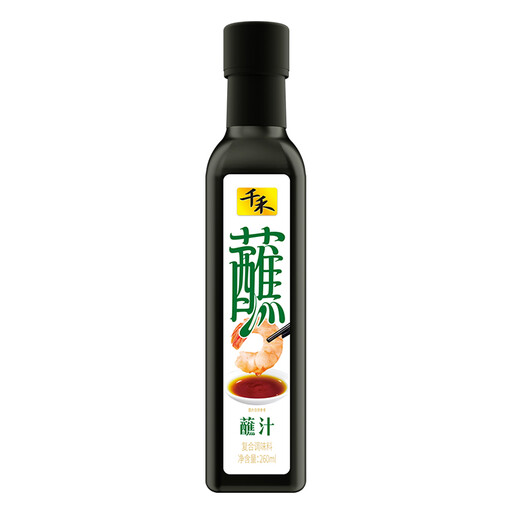
Why it suits this shopper: A compact, ready-to-use dipping sauce for cold dishes, vegetables, seafood and meat. Handy if you want to try it in different ways without buying a large bottle straight away.
The 260 ml size helps reduce waste if you only use it occasionally. According to the product information, the sauce is ready to use.
Brewed soy sauce and brewed vinegar; mildly sweet and sour, according to the product description. Contains soya, wheat and gluten.
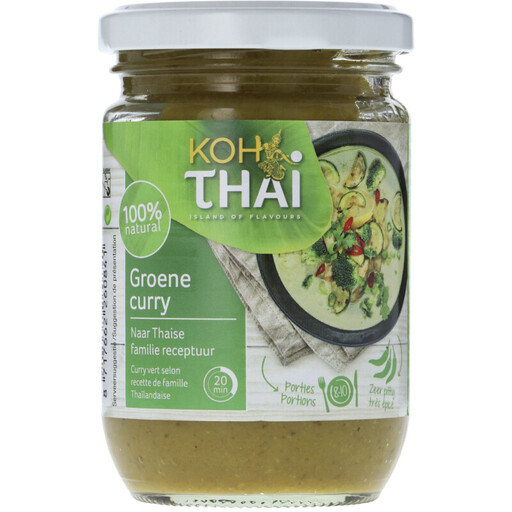
Why it suits this shopper: A good choice for home cooks looking for a distinctive Thai flavour base for curries, soups, chicken, fish or vegetables.
The amount per serving and the 225 g pack size are listed, making it easier to plan how much to buy for 8 to 10 dishes.
Contains green pepper, lemongrass, kaffir lime and galangal, among other ingredients. The product information describes the paste as gluten-free; refrigerate after opening.
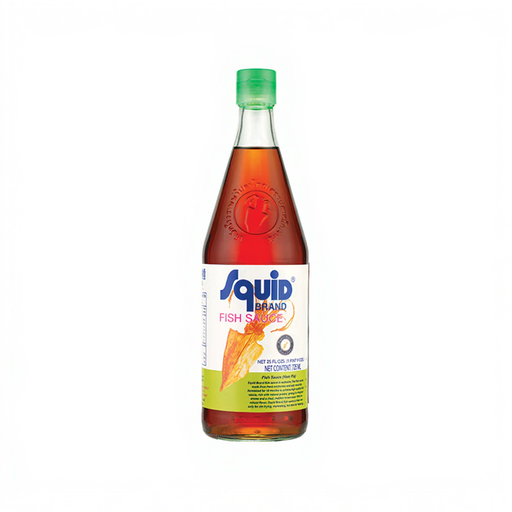
Why it suits this shopper: A large bottle for anyone who regularly cooks Vietnamese or Thai dishes, mixes sauces or prepares marinades.
The bottle size is suited to frequent use. The ingredients list states that it contains 77% anchovies, so you can compare it directly with other fish sauces.
Suitable for stir-fries, marinades, dipping sauces and soups, according to the product information. Contains fish and lists 25.2 grams of salt per 100 ml.
We’ve put together a complete, up-to-date list of products that meet these strict selection criteria and current European safety regulations.
Thai fish sauce, also known as nam pla, is often used in curries, noodle dishes and dips. Vietnamese fish sauce is also great for marinades, soups and nuoc cham-style dips. Compare the fish content, salt level and bottle size. For plant-based dishes, vegan fish sauce made with kombu and mushrooms is an alternative.
It varies from product to product. Store sauces according to the label, close the packaging securely and put products that need to be refrigerated straight into the fridge. Check the date and storage instructions on the packaging for the exact shelf life.
A ready-made stir-fry sauce, dipping sauce or green curry paste is handy when you want to cook quickly. You can serve a dipping sauce straight away; curry paste makes a base for a dish with ingredients such as vegetables, chicken or fish. If you’re looking for satay sauce, choose a ready-to-use variety that only needs heating.
