
Vandaag of morgen in huis

Kwaliteit gegarandeerd

Welkomstaanbiedingen ontgrendelen: GRATIS bezorging | Tot 80% korting | Gratis 30 dagen JoyPlus-proefperiode
Download de app
When you cook Asian dishes at home, you usually want to add plenty of flavour quickly without building up a long shopping list. Asian herbs and seasonings can help with that: from an Asian soup base and ramen seasonings to tom yum paste, curry spice mix and sesame sauce powder.
Still, the difference between a handy store-cupboard staple and a disappointing purchase isn’t always obvious at first glance. A striking packet tells you little about the ingredients, how to prepare it, or whether it suits your kitchen. So pay particular attention to the points below.
A name like “kimchi soup seasoning” or “Japanese oden broth” gives you a general idea, but not the exact intensity of flavour. Check the ingredients and the quantitative information. For example, the Jiadianziwei Korean Kimchi Soup Seasoning product description states a minimum of 35% combined kimchi ingredients and a minimum of 7% Korean chilli paste. That tells you far more than just the name on the front.
Asian seasonings often contain soya, wheat, gluten, fish, shellfish, sesame or milk. This applies to kimchi bases, soya sauce powders, tom yum paste and some instant noodles. Read the allergen information on the product page and also check the label when it arrives. Recipes can change from one pack to another.
A sachet of broth powder or seasoning may look cheap, but the number of portions and the extra ingredients you need determine the real cost. So compare:
A 454g jar of tom yum paste, for example, is mainly practical for households that use the seasoning more often. For occasional use, a smaller sachet may be more suitable.
First, decide which direction you want to go in. For a spicy, sour soup, a tom yum paste with lemongrass, chilli, kaffir lime and galangal works well. For a clear Japanese broth, bonito and kelp are characteristic ingredients. A curry spice mix often contains coriander, cumin, turmeric, garlic and chilli, among others.
Also look out for sweeteners, sugar, flavour enhancers and salt. A product can deliver plenty of flavour, but that might make it less suitable if you want to control the seasoning precisely yourself.
Check whether the product dissolves instantly or needs to be cooked first. The Jiadianziwei kimchi base, for instance, requires one sachet with 400 ml of water, after which you add meat, tofu and vegetables and simmer for 1 to 2 minutes. The Xiaoyeqingzhu base for oden takes longer to prepare: the ingredients are simmered in the broth so they absorb the flavour.
For powders, the general rule is to mix them gradually with water to avoid lumps. Haidilao Sesame Sauce Powder recommends a ratio of roughly 1:1 to 1:1.5 with cold water, depending on how thick you want it.
Broths and instant noodles can contain relatively high levels of salt. The product information shows, for example, 14.85g of salt per 100g for the Jiadianziwei seasoning and 19.1g per 100g for the Xiaoyeqingzhu base. That doesn’t mean you eat that amount in one go, but it does mean extra soya sauce or salt is often unnecessary.
Also check whether a seasoning fits your diet. Garlic powder with just garlic and an anti-caking agent offers a different base from a garlic-herb mix with salt, parsley and pepper.
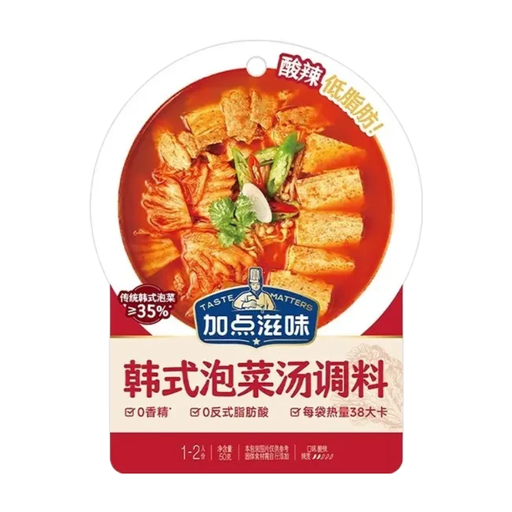
Why this fits the profile: One sachet and 400 ml of water create a simple base for soup with tofu, beef, egg or vegetables.
The product information states the quantities of kimchi and chilli paste, plus allergens such as fish, shellfish, soya and gluten.
50g per sachet, clear dosage and suitable for multiple combinations with vegetables and egg.
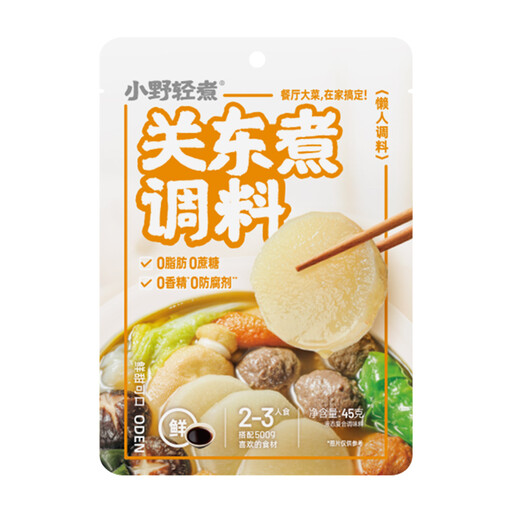
Why this fits the profile: According to the product description, the base combines bonito seasoning, soya sauce and kelp extract for oden, udon and clear hotpot.
The ingredients and allergens are listed; the product contains fish, soya and wheat. This lets you tailor your choice to your meal in advance.
One base for oden, udon and clear hotpot; preparation options from around 5 to 25 minutes.
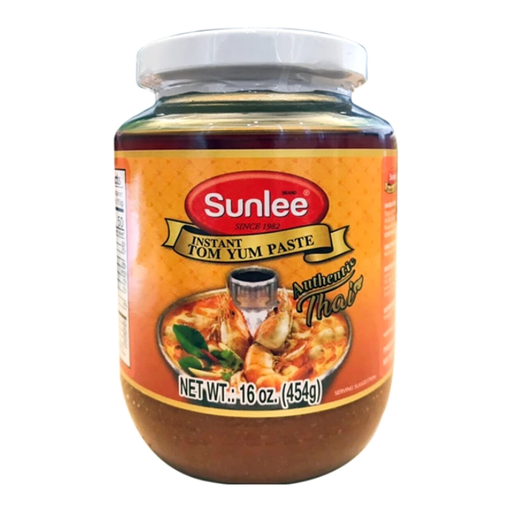
Why this fits the profile: The large jar is handy when you regularly make Thai soup, stir-fries, marinades or dips.
Its use isn’t limited to soup. The product description also mentions stir-fries, marinades and dips; do check the allergens for fish, prawns and soya.
454g content and ingredients such as lemongrass, chilli, kaffir lime and galangal according to the product information.
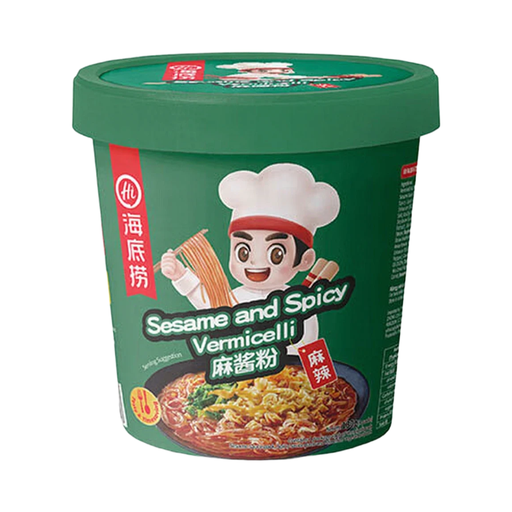
Why this fits the profile: The powder can be used as a sauce, dip, noodle base or marinade, and you can adjust the thickness and spiciness.
The preparation ratio and the allergenic ingredient sesame are listed, so you can assess the texture and suitability in advance.
130g powder, easy to mix with cold water and suitable for hotpot, dumplings, noodles and salads.
We’ve put together a full, up-to-date list of products that fully meet these strict selection criteria and comply with current European safety regulations.
With a few basic products you can keep your store cupboard well organised:
Store powders and unopened sachets in a cool, dry place away from direct sunlight. Seal a jar tightly to limit moisture and clumping. Some products, such as kimchi seasoning or opened broth base, should be refrigerated after opening and used quickly, according to the product information.
A soup base often has a more specific flavour profile, for example kimchi, oden or tom yum. Broth powder is usually more versatile and can be used for soup, sauce, rice or vegetables. Look at the ingredients, dosage and salt content before you choose.
Instant noodles are quick to prepare, but they don’t always contain many vegetables or protein. Add, for example, egg, tofu, chicken, pak choi or mushrooms. Always check the allergen information, especially for wheat, soya, milk, fish, celery and sesame.
