
Same-day & Next-day Delivery

Quality Guaranteed

Unlock Your Welcome Offers: FREE Delivery | Up to 80% OFF | Free 30-day JoyPlus trial
Download the APP
Asian ready meals are a handy option for busy workdays, student digs and a casual night in. However, an attractive packet can hide important details. A meal might look generous but contain very little filling. Or a product may be presented as “authentic”, when the cooking method and ingredients are really geared towards convenience.
With these checks, you can compare Korean snacks, Japanese onigiri, gyoza, Indian ready meals and other frozen Asian dishes in a practical way.
Words like “authentic”, “restaurant-style” or “traditional” don’t tell you much about the ingredients or flavour. According to a brand’s product description, a dish might follow a particular regional style, but always check the ingredients, country of origin and cooking instructions.
For example: a product called kimbap can contain various fillings, from vegetables and tofu to spicy sauce. So the name alone doesn’t tell you how spicy, salty or filling it is.
A pack of 230 or 280 grams can work well as a lunch, light meal or part of a larger spread. For a hearty evening meal, you might need extra rice, salad, vegetables or bread. So look at:
This way, you avoid a quick Asian meal turning into several separate products and costing more than you expected.
With frozen products, the cold chain is crucial. Items like kimbap, tteokbokki, onigiri, gyoza and Korean fried chicken must be kept frozen according to the packaging. Don’t leave them out of the freezer unnecessarily after delivery.
Also check whether the packaging is damaged. A defrosted product should not simply be refrozen. Always follow the label on the specific product, because microwave, pan and steaming times vary.
The ingredients list is in descending order of quantity. Pay particular attention to soya, wheat, gluten, sesame, milk, egg, fish, shellfish and mustard. These are common in gyoza, bao buns, dim sum, sauces and onigiri.
A product may be labelled as vegetarian or vegan, but check this on the actual packaging. According to the product information, bibigo Korean BBQ Gyoza offers a vegan version, containing cabbage, onion, spring onion, wheat gluten, soya sauce and sesame oil. This means it is not suitable for anyone with a soya, wheat or sesame allergy.
“Ready in minutes” doesn’t always mean every product is quick to prepare in the same kitchen. Check whether you need a microwave, frying pan, steamer or oven.
A cooking time of seven minutes is only comparable when the portion size and cooking method are the same.
Salt, sugar and fat can vary a lot between products. According to the product information provided, Ashoka Bombay Pav Bhaji contains 1,008 mg of sodium per 280 g portion. That’s useful information when you’re combining several ready meals.
Spicy doesn’t always mean the same thing either. According to the product description, Rengi Kimbap Flamin contains Buldak-flavour sauce and gochujang seasoning. If you prefer milder food, it’s better to choose a gentler kimbap, a vegetable dish or a meal with sauce on the side.
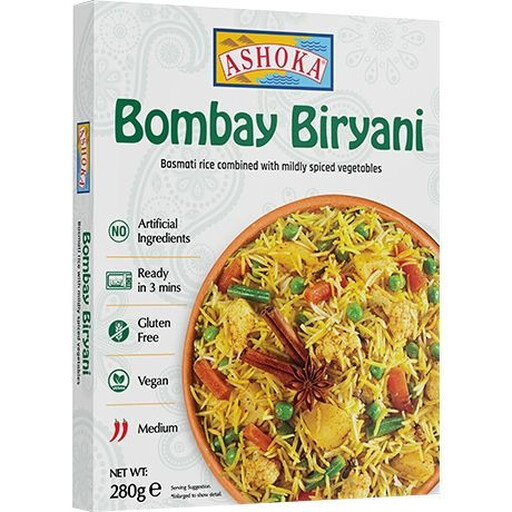
Why this fits the profile: A simple vegetarian meal that, according to the product description, is made with basmati rice, vegetables and spices. Handy for lunch, work or a quick evening meal.
The net weight, ingredients and nutritional values are clearly listed, so you can check the portion size and composition.
280 grams per pack; suitable for vegetarians and vegans according to the product information; store in a cool, dry place.
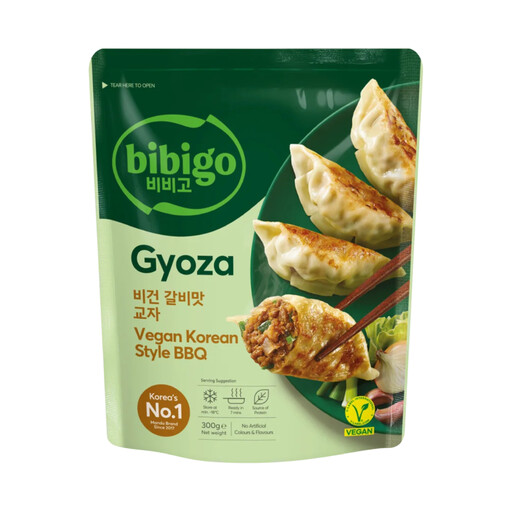
Why this fits the profile: Ideal for anyone looking for a plant-based option who wants to use different cooking methods: steaming or pan-frying.
The product information lists the ingredients and specific cooking instructions. So you don’t have to rely on the product name alone.
300 grams; vegan according to the product description; ready in around seven to eight minutes, depending on the method chosen.
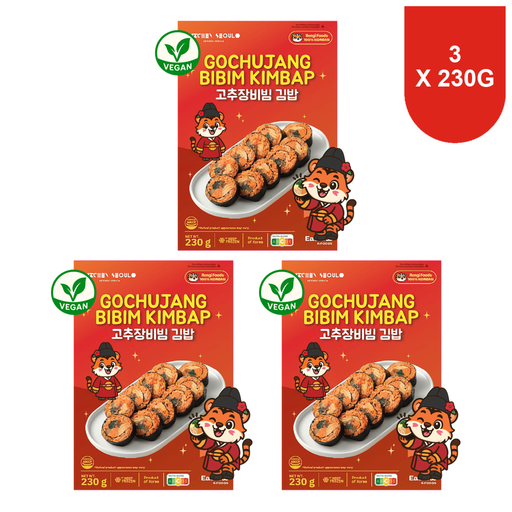
Why this fits the profile: A multi-pack of three for households that regularly need a quick Korean meal or snack.
The packaging states microwave cooking and the ingredients list shows rice, vegetables, tofu, soya and sesame, among other things.
Three packs of 230 grams; suitable for quick preparation; gochujang gives a spicy Korean flavour profile according to the product description.
Use a small portion as a base and add something simple yourself. Think cucumber, edamame, a fried egg, extra vegetables or a bowl of rice. Gyoza, for example, go well with a light salad and soya sauce. Tteokbokki can be topped up with vegetables, while onigiri is handy for eating on the go or as a snack during a casual get-together.
If you want to try different cuisines, you can also alternate with Bombay biryani, pav bhaji, Turkish soup, bao buns, dim sum or char siu. When combining, watch out for duplicate sauces and the total salt content.
We’ve put together a full, up-to-date list of products that fully meet these strict selection criteria and current European safety regulations.
Follow the instructions on the packaging. Gyoza can often be steamed or fried straight from the freezer. Onigiri and some kimbap products are suitable for the microwave. Always check the recommended time, wattage and core temperature if stated.
Store them at the temperature stated on the packaging, usually around -18 °C. The exact shelf life is given by the best-before date on the product. Once defrosted, follow the instructions on the label and do not refreeze.
Some products are vegetarian or vegan, such as certain varieties of pav bhaji, Bombay biryani and vegan gyoza. Always check the ingredients list and allergen information. Recipes and packaging can change; the label on the product you receive is the definitive guide.
