
Vandaag of morgen in huis

Kwaliteit gegarandeerd

Welkomstaanbiedingen ontgrendelen: GRATIS bezorging | Tot 80% korting | Gratis 30 dagen JoyPlus-proefperiode
Download de app
A bottle of Asian sauce may seem like a simple purchase. However, Chinese sauces, Thai sauces, Korean sauces and Japanese varieties differ considerably in flavour, ingredients and use. A sauce that works well as a dip can turn out too sweet or too salty in a stir-fry. And a large pack is only good value if you use it within a reasonable period.
As a Joybuy Product Recommendation Officer, I therefore focus mainly on verifiable points: ingredients, allergens, nutritional values, volume and the use described by the manufacturer.
A product with striking Asian-style labelling may taste very different from what you expect. Oyster sauce typically has a savoury, syrupy flavour, while sweet chilli sauce is mainly sweet with a mild heat. Gochujang is a fermented Korean chilli paste with a thicker texture and a distinctive flavour profile. Teriyaki sauce is usually sweet and savoury, and is designed to add shine, work in marinades or be used during cooking.
So don’t look only at the country of origin or the image on the packaging. Check the ingredients and usage instructions.
For a household that only stir-fries occasionally, a 700, 810 or 970-gram bottle may sit around for a long time. For restaurants, caterers or larger families, that size may be practical. Compare the volume with how much you actually use.
Also check the storage instructions. Many sauces must be tightly closed after opening and stored according to the label. Some products recommend refrigeration after opening.
Many soy sauces, stir-fry sauces, hoisin sauces and bulgogi sauces contain soya and wheat. Sesame is also commonly present. Oyster sauce contains molluscs and may also contain soya or wheat. Always check the current packaging, especially when cooking for other people.
Salt content also deserves attention. For comparison, Lee Kum Kee Panda Oyster Sauce lists 29,5 grams of salt per 100 grams, while Bibigo Bulgogi Sauce lists 4,0 grams per 100 grams. This does not mean that one sauce is more suitable in every situation, but it does mean that you should adjust the quantity used in your recipe.
First decide what you want to use the sauce for:
Also check the consistency. A thick sauce stays on meat or vegetables more effectively, while a thinner sauce is easier to mix through noodles, rice or vegetables.
The ingredients list provides more information than a general flavour description. Look at the position of soya, oyster extract, sugar, vinegar, chilli and thickeners. If sugar appears high on the list, the sauce is likely to be noticeably sweet. A high proportion of chilli or chilli extract suggests a hotter flavour.
Brand descriptions about traditional preparation or authentic flavour are marketing information. Do not treat them as independently proven claims. Use the ingredients list, nutritional table and label as your starting point.
For regular use at home, packs of around 255 to 500 grams or millilitres are often manageable. Larger sizes from 600 grams to several litres are more appealing if you cook frequently or prepare food for several people. A catering pack, such as 4,5 litres, does require enough storage space and a suitable rate of consumption.
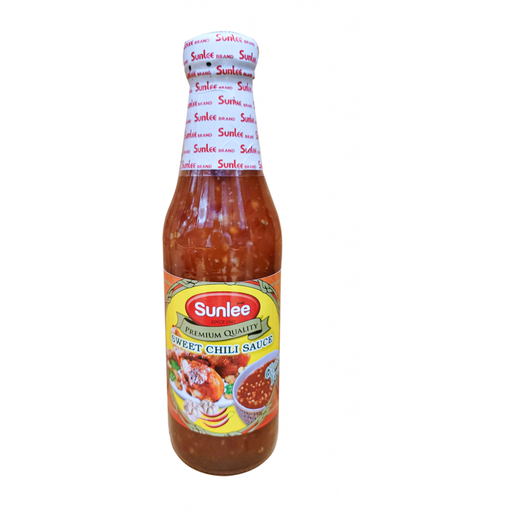
Why it suits this profile: The 300 ml volume is manageable for anyone who wants to try different Asian sauces at home without immediately building up a large stock. The product information describes it as suitable for use as a dip, glaze, marinade and addition to stir-fries.
The uses and ingredients are clearly described: sugar, water, red chilli, vinegar, garlic and salt. According to the product information, the sauce contains none of the 14 main EU allergens.
Mild sweet and spicy flavour; suitable as a dip, marinade and glaze; 300 ml pack.
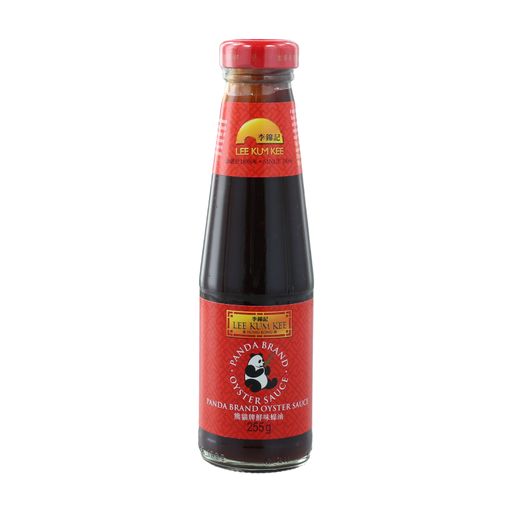
Why it suits this profile: This Chinese oyster sauce is suitable for cooks looking for a compact bottle for stir-frying, marinating and adding at the table. The QUID declaration states that it contains 3% oyster extract.
The product page explicitly states the uses and allergens: oyster, molluscs and wheat. This allows you to compare the sauce more precisely than by looking at the packaging alone.
255 g size; suitable for stir-fries, marinades and dipping; clear indication of oyster extract.
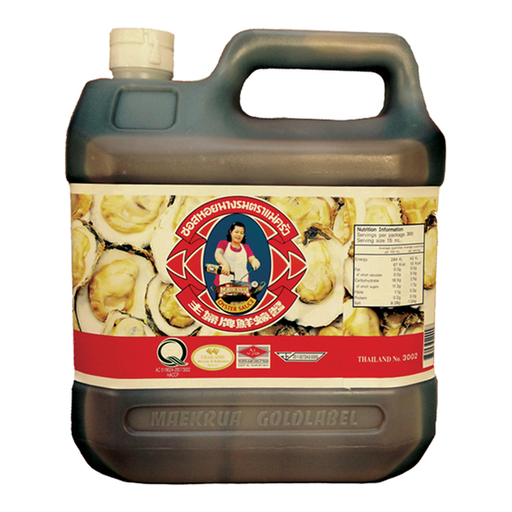
Why it suits this profile: The 4,5-litre catering pack is aimed at restaurants, caterers and larger households that regularly use the same Thai oyster sauce.
The volume is clearly stated, allowing you to assess in advance whether your storage space and rate of use are suitable. The label lists oyster, soya and wheat as allergens.
4,5-litre volume; suitable for stir-fries, marinades and dips; practical choice for high-volume use.
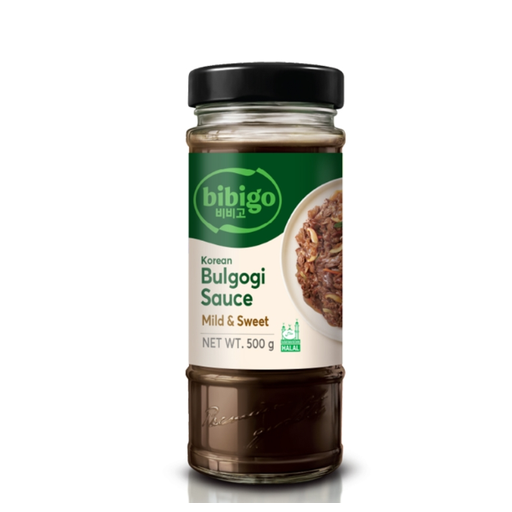
Why it suits this profile: The described combination of soy sauce, garlic, onion, Korean pear and apple purée is well suited to mild marinades for meat, chicken or vegetables.
The flavour profile and uses are described clearly. The packaging lists soya, wheat and sesame, allowing you to check the allergens in advance.
500 g size; mild and sweet flavour according to the product description; suitable for grilling, stir-frying and marinating.
We have compiled a complete, up-to-date list of products that fully meet these strict selection criteria and the applicable European safety regulations.
That depends on the flavour you want. Oyster sauce adds a savoury umami flavour, soy sauce contributes saltiness and depth, while sweet chilli sauce brings sweetness with a mild heat. Add small amounts and taste as you go, especially when using sauces with a high salt content.
Shelf life varies from product to product. Check the date and storage advice on the packaging. Close the bottle tightly, use clean kitchen utensils and refrigerate the sauce after opening if the label instructs you to do so. If in doubt, check the smell, colour and consistency, but always use the official product information as your guide.
Bulgogi sauce is generally a ready-made, sweet and savoury marinade for ingredients such as beef, chicken or vegetables. Gochujang is a thicker Korean chilli paste with a stronger, hotter flavour profile. Bulgogi sauce can be used straight away as a marinade, while gochujang is often used as a flavour base or as part of a sauce. For both products, check the allergens and nutritional values on the label.
