
Vandaag of morgen in huis

Kwaliteit gegarandeerd

Welkomstaanbiedingen ontgrendelen: GRATIS bezorging | Tot 80% korting | Gratis 30 dagen JoyPlus-proefperiode
Download de app
Buying a bottle of Asian sauces sounds simple, until you have to choose between dozens of varieties. Is dark soy sauce suitable for every stir-fry? Do you use oyster sauce as a dip or mainly while cooking? And how do you avoid choosing a large pack because it looks cheaper, only for it to sit unused in the cupboard?
For home cooks, fans of Chinese, Thai, Japanese and Korean dishes, and professional kitchens, there are three common pitfalls:
By checking the right details, you can choose a sauce that suits your dishes, cooking habits and household.
Start by looking at the ingredients list. In soy sauce, soya and often wheat are important allergens. For example, Lee Kum Kee Premium Light Soy Sauce contains water, defatted soya beans, wheat, salt, sugar and yeast extract. The nutritional information states that it contains 18 grams of salt per 100 ml. This makes it important to use it sparingly, especially if you are also using stock or other salty seasonings.
With oyster sauce, look for oyster extract, soya and wheat. The 907-gram Lee Kum Kee Panda Brand Oyster Sauce lists soya and wheat as allergens. According to the product information, Maekrua Oyster Sauce contains, among other ingredients, oyster extract, soy sauce and a preservative.
Always check the current packaging if allergens are important to you. Recipes and labels can change.
Not every sauce works in the same way:
According to Amoy’s product information, its Japanese teriyaki sauce consists of soy sauce, sugar, water and sweet rice wine. This gives a clear indication of how to use it: in sweet and savoury dishes and marinades, rather than for a neutral stir-fry flavour.
A pack containing 280 to 600 grams or millilitres is often a manageable size for home use. Larger formats are worthwhile if you cook regularly or prepare several portions at once.
The Maekrua Mae Krua Oyster Sauce in a 4.5-litre pack is described as being intended for restaurants, catering and large households. For professional use, a size like this can be convenient from a logistical point of view. For occasional use, however, you should consider the storage space required, how long it will keep once opened and how quickly you will use the bottle.
Also check the storage instructions. Many products need to be refrigerated after opening or kept tightly sealed. For example, Tan Tan Xiang chilli sauce states that it should be refrigerated after opening. If in doubt, follow the instructions on the product label.
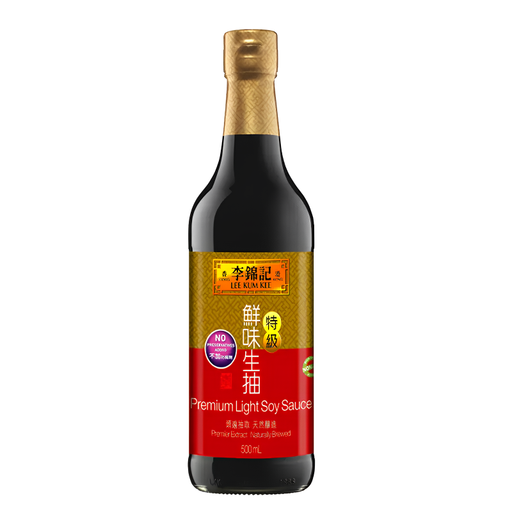
Why it suits this profile: A versatile base for stir-fries, marinades, dips and cold salads. The 500 ml bottle is a manageable size for everyday home use.
Its uses and ingredients are clearly described. This makes it easier to avoid confusing this soy sauce with a dark variety.
500 ml quantity; suitable for cooking, marinating and dipping; contains soya and wheat.
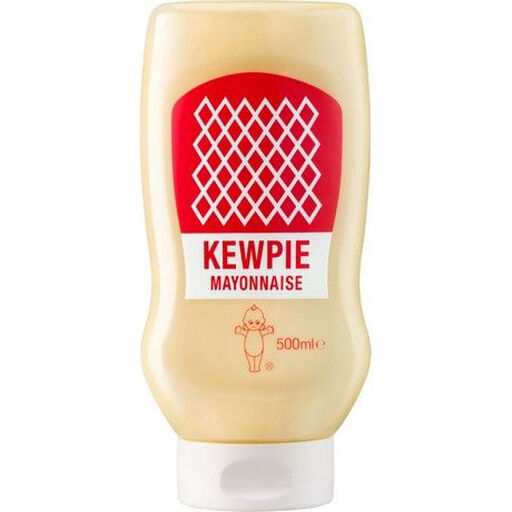
Why it suits this profile: Ideal if you are looking for a creamy Japanese condiment for sushi, snacks, sandwiches and cold dishes.
The product information lists specific ingredients, including egg yolk, rice oil, vinegar and mustard powder. Check this list if you have any allergies.
500 ml quantity; contains egg, soya and mustard; suitable for cold and ready-to-serve dishes.
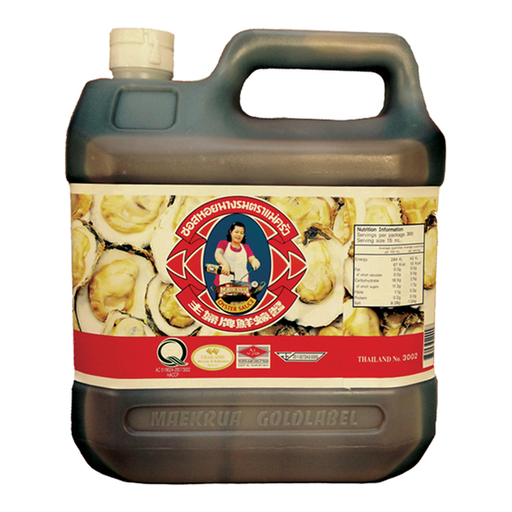
Why it suits this profile: A large format for professional kitchens, catering, large families and anyone who frequently makes stir-fries and marinades.
The pack size is clearly stated, so you can judge in advance whether 4.5 litres suits your usage and storage space.
4.5-litre quantity; intended for stir-fries, marinades and dips; contains oyster, soya and wheat.
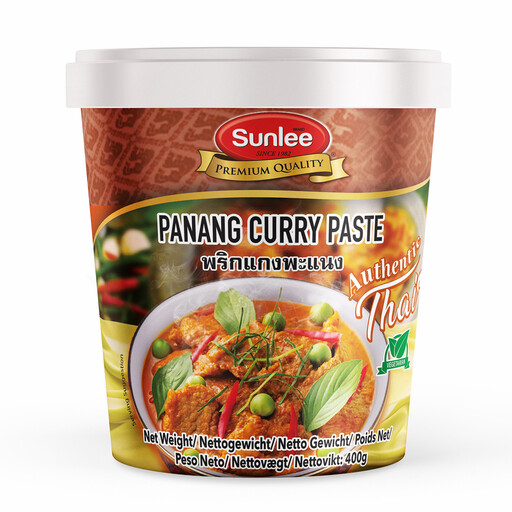
Why it suits this profile: Handy for curries, soups, marinades and stir-fries when you want to build a flavourful base quickly.
The ingredients are clearly listed, including dried chilli, lemongrass, galangal, kaffir lime and coriander seeds. This tells you exactly what flavour base you are buying.
400 grams; vegan according to the product information; contains soya and may contain peanuts and sesame.
We have compiled a complete, up-to-date list of products that fully meet these strict selection criteria and the applicable European safety regulations.
It depends on the flavour you want. Light soy sauce adds saltiness and umami, while oyster sauce contributes a thicker, savoury and slightly sweet flavour. For heat, you can use chilli sauce, sambal or a hot sauce. Add sauces gradually, as many varieties contain relatively high levels of salt.
Light soy sauce is mainly used to season dishes. According to the product information, dark soy sauce is primarily intended to add colour and depth to braised dishes, marinades and meat dishes. Dark soy sauce should therefore generally be used in smaller quantities.
Follow the instructions on the label. Some sauces can be stored in a cool, dry place once sealed; others must be refrigerated after opening. With sambal, garlic sauce, fish sauce and curry paste, also make sure you use them hygienically: use a clean spoon and seal the packaging immediately after use.
