
Vandaag of morgen in huis

Kwaliteit gegarandeerd

Welkomstaanbiedingen ontgrendelen: GRATIS bezorging | Tot 80% korting | Gratis 30 dagen JoyPlus-proefperiode
Download de app
A device that vacuums and mops simultaneously sounds like a dream for anyone with a busy household. The promise is simple: a clean floor in half the time. The reality, however, can be different. Many wet and dry vacuums are advertised with impressive specifications but fall short in practice. Before you invest in a new cleaning tool, it's wise to understand where the marketing ends and real-world usability begins.
There are a few common problems that can seriously spoil the user experience:
To avoid buyer's remorse, it's helpful to look beyond the advertised suction power. The following specifications determine whether a wet and dry vacuum will truly be an asset to your household.
An effective wet and dry vacuum does more than just spray and suck up water. The core of a good system is the separation of clean and dirty water.
The choice between a stick vacuum and a robot depends entirely on your lifestyle.
For a cordless vacuum, the battery and design are decisive for its ease of use.
Based on objective specifications, we have selected a number of models that suit different needs and households.
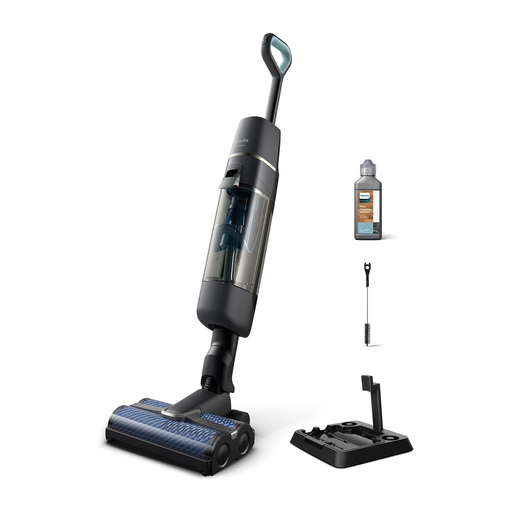
Why This Fits Their Persona: This model gives you direct control for targeted cleaning of spills and daily dirt. Ideal for kitchens and living areas with laminate, tile, or wood, where you want to act quickly and effectively.
The AquaSpin technology, with two high-speed brushes and a separate dirty water tank (Aqua Diffusion system), prevents dirty water from being spread. The automatic cleaning mechanism in the station rinses the brushes after use.
Vacuums and mops in a single motion. The special water absorption mode helps the floor dry faster, which is useful on wooden floors. The 25-minute battery life is suitable for targeted cleaning sessions.
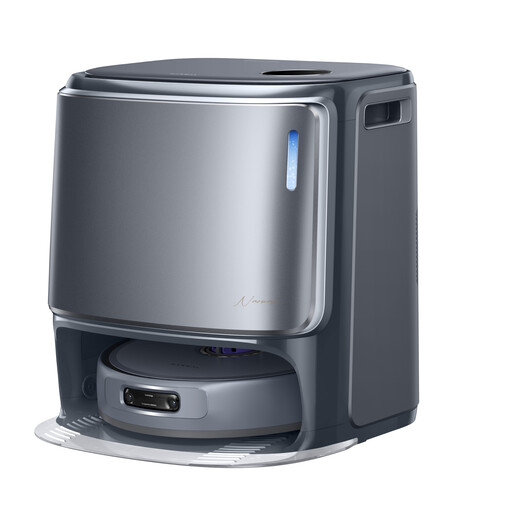
Why This Fits Their Persona: Automates the daily battle against pet hair, muddy paws, and other messes. The AI-driven obstacle avoidance is specifically designed to recognise and avoid pet "accidents," preventing a lot of frustration.
This model tackles all three pitfalls. The base station washes the mops with hot water and dries them with hot air. The EdgeSwing technology ensures thorough cleaning right into the corners. The robot automatically returns to the station to recharge.
Fully automated, from cleaning to maintenance. The combination of powerful suction (18,000 Pa), hot water mop cleaning, and a self-emptying dustbin offers a high level of hygiene and convenience.
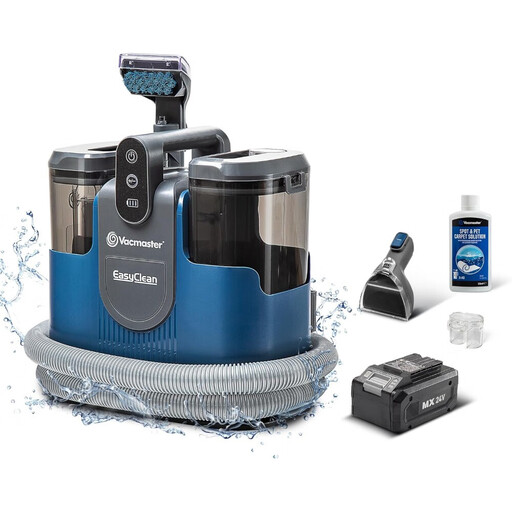
Why This Fits Their Persona: This is not an all-in-one floor cleaner, but a specialised spot cleaner and carpet cleaner. Perfect for tackling stains on the sofa, carpet, or in the car. A practical addition to a regular vacuum cleaner.
This device focuses on one task. The self-cleaning hose function automatically flushes away residue after use, which prevents clogs and unpleasant odours within the device itself—a common problem with portable cleaners.
Cordless and lightweight (4.5 kg), making it highly mobile for cleaning stairs and car seats. The dual tank separates clean and dirty water for a hygienic approach to stain removal.
We have compiled a complete, up-to-date list of products that meet these selection criteria and comply with Dutch safety regulations.
Most wet and dry vacuums are designed for hard, sealed floors such as tile, vinyl, PVC, and laminate. Caution is advised for unsealed or oiled wood. It is recommended to choose a model with adjustable water flow or a special water absorption mode to prevent too much moisture from being left behind. Always read the recommendations from both your flooring manufacturer and the cleaning device manufacturer.
Even with a self-cleaning function, periodic maintenance is necessary. It is good practice to empty and rinse the dirty water tank after each use. The brush roll and filters should be checked and cleaned weekly according to the manufacturer's instructions. This ensures optimal performance and a long lifespan.
A wet and dry vacuum uses water (sometimes with a cleaning solution) and rotating brushes to scrub away and suck up dirt. It cleans and dries in a single motion. A steam cleaner uses hot steam under pressure to loosen dirt and bacteria. A steam cleaner does not suck up the loosened dirt and water; you often still need to wipe this away with a cloth.
