
Vandaag of morgen in huis

Kwaliteit gegarandeerd

Welkomstaanbiedingen ontgrendelen: GRATIS bezorging | Tot 80% korting | Gratis 30 dagen JoyPlus-proefperiode
Download de app
A robot vacuum cleaner with mopping function can make daily floor cleaning easier, particularly in households with children, pets, hard floors and low-pile carpet. However, a long list of features does not automatically mean that a device is right for your home. For example, a mopping robot may struggle with thresholds, cables, carpet edges or dried-on stains.
The right choice therefore does not start with the highest number on the packaging, but with the combination of suction power, navigation, floor compatibility and maintenance.
Brands often advertise high suction power in Pa. This figure indicates the maximum suction pressure, but it does not tell you everything about everyday performance. The brush, airflow, filter and the way the robot moves across the floor also play a part.
For pet hair, a good roller brush and an anti-tangle design are at least as relevant as the Pa figure. Also check whether the robot automatically increases suction power on carpet. According to some brands’ product information, this happens automatically, but actual performance depends on the floor, the dirt and the selected mode.
The mopping function of a robot vacuum cleaner is generally intended for light, damp maintenance cleaning. A flat mop removes dust particles and light residue, but is not always suitable for dried-on stains or large amounts of liquid. Therefore, do not use a robot designed only for damp mopping to suck up spilled liquids.
Pay attention to the water control. Adjustable water flow is practical for tiles, laminate and other hard floors. Use only water or a cleaning solution permitted in the instructions. The wrong product can damage the pipes, pump or mopping module.
A robot vacuum cleaner with automatic emptying station reduces the need to empty the dust container manually. You still need to maintain the filters, brushes, sensors and mop pad. With models that have a mopping function, it is important to remove the used pad after cleaning and allow it to dry.
Also check the station’s dimensions and the available space around it. Different models require around half a metre of space at the sides and more room at the front. In a narrow hallway, a station may therefore be less practical than expected.
For a robot vacuum cleaner for pet owners, the following points are relevant:
High suction power can be useful for hair and crumbs, but always compare the full product specifications. A robot with 4,000 Pa may be sufficient for everyday vacuuming, while a larger home with carpet may benefit more from a model with a higher stated figure.
A robot vacuum cleaner with LiDAR navigation uses lasers to map the room. This helps with systematic routes and setting rooms, virtual walls and no-go zones. However, LiDAR does not prevent every problem. Dark surfaces, full-length mirrors, loose cables and small toys can still be challenging.
Therefore, check whether the robot:
A robot vacuum cleaner with app control is useful for schedules and targeted cleaning. Do bear the Wi-Fi requirement in mind. Several models work exclusively with a 2.4GHz network.
The stated operating time usually depends on the suction setting, mopping function and layout of the home. A robot that runs for a maximum of 150 or 180 minutes may operate for less time in practice when used on the highest setting. That is often sufficient for a flat; for a large house, automatic recharging and resuming are more important than maximum battery life alone.
For a robot vacuum cleaner for carpet and hard floors, you should also check whether the mop lifts automatically when carpet is detected. If it does not, you will need to exclude carpeted areas manually or remove the mopping module.
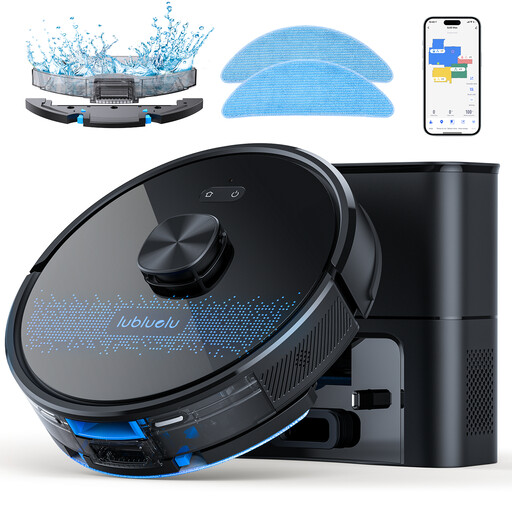
Why it suits this profile: This model combines vacuuming, sweeping and damp mopping with app control. Its stated suction power of 4,000Pa and LiDAR 9.0 navigation are suitable for households looking for an accessible robotic solution for hard floors, carpet and pet hair.
According to the product information, the water flow can be adjusted via the app. The station empties the dust container automatically, but the mop and sensors still require regular maintenance.
3-in-1 cleaning, app control, LiDAR maps and a 3 to 4-litre dust bag in the station.
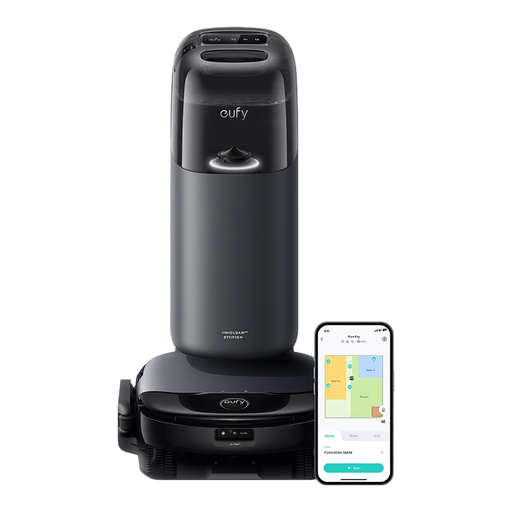
Why it suits this profile: The all-in-one station is designed for households that want to minimise manual tasks. The product information lists automatic emptying, water refilling, mop-pad washing and drying.
According to the product specifications, the mop can be lifted by 12 mm when carpet is detected. However, check that your carpet height falls within the stated suitability range.
8,000Pa stated suction power, automatic mop care, obstacle recognition and separate clean- and dirty-water tanks.
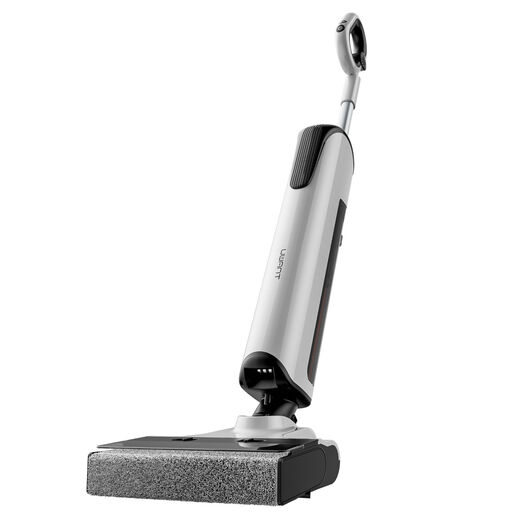
Why it suits this profile: This is not a robot, but a cordless wet and dry floor cleaner for anyone who wants to tackle stubborn stains, wet spills and everyday dirt themselves. The appliance is designed for hard floors and uses separate clean- and dirty-water tanks.
The D700 is designed to handle wet and dry dirt in a single pass. Its stated operating time is 45 minutes, so for larger homes you should assess the floor area and charging requirements in advance.
20,000Pa stated suction power, 180° reclining design, edge cleaning down to 2 mm and automatic brush cleaning according to the product information.
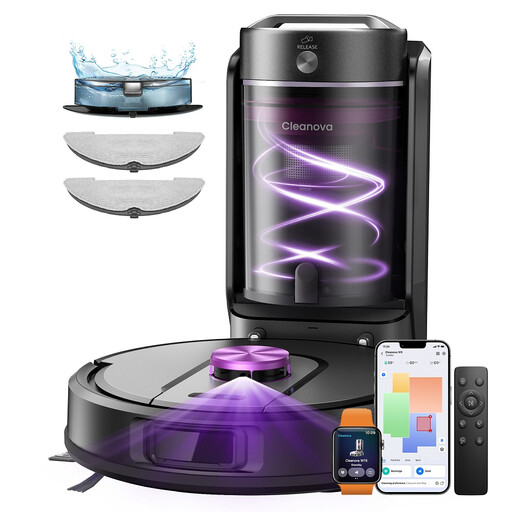
Why it suits this profile: According to the product information, the W15 combines LiDAR navigation, five maps, app control and a bagless automatic emptying station. This may suit homes with multiple floors and regular pet hair.
The app offers settings for rooms, cleaning order and no-go zones. The mopping function is intended for light, damp maintenance cleaning; remove wet dirt and loose cables beforehand.
10,000Pa stated suction power, up to 180 minutes of operating time, a bagless station and support for up to five maps.
A robot is suitable for scheduled daily maintenance when you mainly want to reduce dust, crumbs and pet hair. A stick vacuum cleaner with mop or self-cleaning floor cleaner is more practical for spilled food, mud and dried-on stains. However, these appliances require you to move around the home yourself.
For a cordless wet and dry vacuum cleaner, check the operating time, the capacity of the clean- and dirty-water tanks, the brush drying time and the weight. Models such as the Tineco Floor One Stretch S6, Deerma DEM-VX900W and Eureka NEW400 are designed for hard floors and combine vacuuming with mopping, according to their product information. They are not intended for unsupervised use like a robot.
We have compiled a complete, up-to-date list of products that fully meet these strict selection criteria and the applicable European safety regulations.
That depends on the mop controls. Some models automatically lift the mop when carpet is detected. With other robots, you need to set carpeted areas or remove the mopping module. Always check the maximum carpet height in the product specifications.
Clean the mop pad after every use and allow it to dry completely. Check the filter, roller brush, side brushes and sensors weekly. With an automatic emptying station, you must also maintain the dust bag or dust container and the charging contacts.
In addition to the purchase price, you need to allow for electricity, filters, brushes, mop pads and, where applicable, dust bags or cleaning solution. A bagless station can eliminate the need for replacement dust bags, while a station with a dust bag may mean less direct contact with dirt. Therefore, do not compare only the purchase price, but also the available consumables and maintenance instructions.
