
Vandaag of morgen in huis

Kwaliteit gegarandeerd

Welkomstaanbiedingen ontgrendelen: GRATIS bezorging | Tot 80% korting | Gratis 30 dagen JoyPlus-proefperiode
Download de app
A robot vacuum with a mopping function can make everyday floor cleaning easier. Yet many households choose a model based on a single eye-catching feature, such as its maximum suction power or a promising app. Then they discover that the robot won’t fit under their furniture, pet hair gets tangled in the brush or maintenance takes longer than expected.
In this guide, you’ll find out what to look for in a robot vacuum with a mop, which features make a practical difference and which type is right for your home.
A high Pa rating, such as 8,000 or 20,000 Pa, is a technical specification for maximum suction power. On its own, it doesn’t tell you how well a robot cleans every type of floor. The brush, airflow, filter, floor height and automatic carpet detection all play a part too.
So, when choosing a robot vacuum for carpets and hard floors, it’s more important to consider several features together. These include adjustable suction settings, a suitable main brush and the option to turn off the mopping function on carpets or lift the mop.
Most robot vacuums with a mopping function are designed for light, damp maintenance cleaning. They aren’t made to suck up large puddles, spilled liquids or stubborn, dried-on stains. Also check whether the manufacturer recommends using water only. With some models, unapproved cleaning products can cause damage.
A separate wet and dry vacuum cleaner is still more practical for kitchen spills or a thorough clean of hard floors.
A robot vacuum with a self-emptying base means you won’t need to empty the dust container as often, but it doesn’t eliminate maintenance altogether. Dust bags, filters, brushes, mop pads and dirty water tanks still need to be checked. With stations that wash and dry the mop, you’ll also need to refill and empty the water tanks.
Consider the space available. Many stations need about half a metre of clear space on either side and around 1.5 metres in front to remain accessible.
A robot vacuum with LiDAR navigation will usually map your home systematically. This is especially useful in homes with several rooms, long hallways or multiple floors. Check whether the model can save multiple maps if you want it to clean an upstairs floor.
An app should offer more than just a start button. Useful features include:
The first map is usually more accurate if interior doors are open and cables, toys and loose clothing have been cleared from the floor.
For a robot vacuum for pet owners, an anti-tangle brush and an easily accessible main brush are important. “Anti-tangle” doesn’t mean you’ll never need to clean the brush. Long hair can still wrap around the main or side brush.
Also look at the shape of the brush, how easy it is to remove and whether replacement parts are available. In homes with pets, a short daily clean may be more practical than a few longer cleaning sessions each week.
A station can empty dust, refill water, wash the mop and use warm air to dry the mop pads. However, check the capacity of the clean and dirty water tanks, as well as the size of the base. Adjustable water flow is useful for wooden floors or laminate, as it helps prevent excess moisture.
Also check:
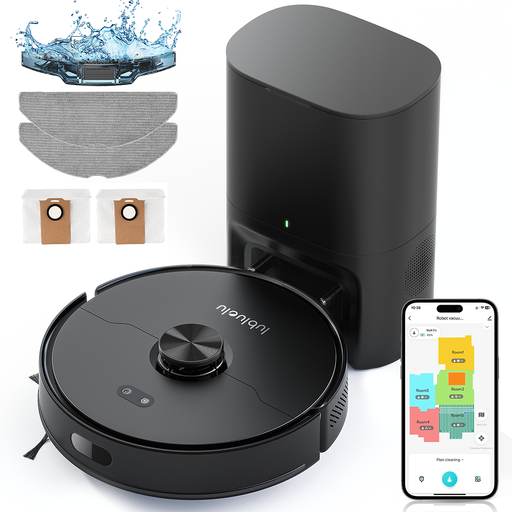
Why it suits this type of buyer: An accessible option for households looking to combine laser mapping, app control and mopping, without needing a fully equipped all-in-one station straight away.
The product information lists laser navigation, five saved maps and adjustable zones in the app. Its 4,000 Pa rating is therefore complemented by practical navigation features.
3-in-1 cleaning, around 55 dB according to the product listing, and support for carpets and hard floors.

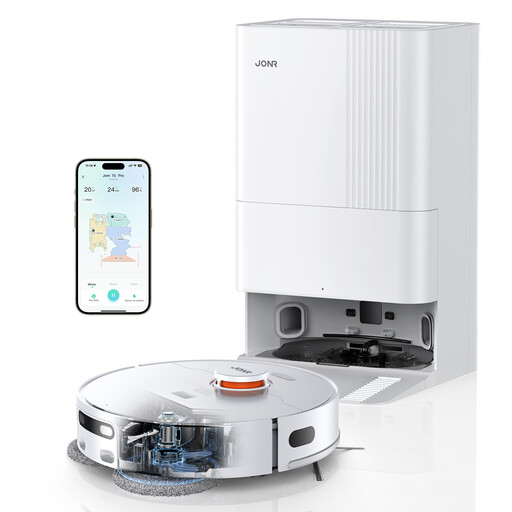
Why it suits this type of buyer: Designed for anyone looking for a high level of automation in a home with pets, carpets and hard floors.
The station’s functions are clearly described: emptying dust, washing the mop with 75 °C water, drying it with warm air and refilling the water. Manual maintenance is still required.
20,000 Pa according to the product listing, dual rotating mops, TrueMapping 2.0 and automatic carpet detection.
Why it suits this type of buyer: A good fit for larger households looking for a powerful robot vacuum with LiDAR navigation and a more advanced station.
As well as the stated 8,150 Pa, this model features obstacle avoidance, an anti-tangle side brush and warm-air drying. The water and dust containers still need to be maintained according to the instructions.
LiDAR navigation, app settings for no-go zones and suction levels, plus an all-in-one dock with warm-air drying.
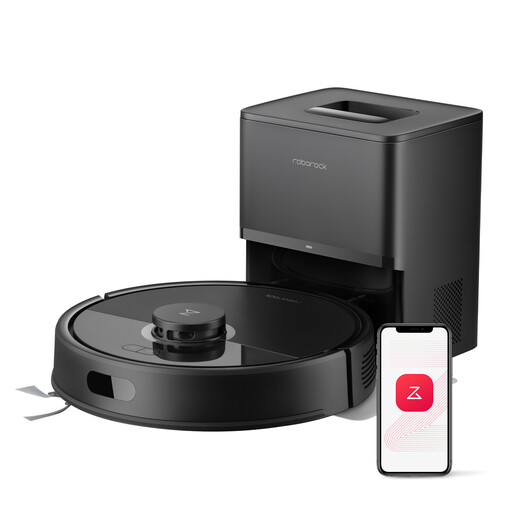
Why it suits this type of buyer: An option for anyone who values automatic dust emptying, LiDAR mapping and a combination of carpet and hard-floor cleaning.
The product name specifies automatic dust emptying, a dual anti-tangle system and LiDAR navigation. This makes key features for dealing with hair and navigating easy to identify.
8,000 Pa according to the product name, automatic dust disposal, app control and a design suited to carpets, hard floors and pet hair.
We’ve put together a complete, up-to-date list of products that meet these strict selection criteria and current European safety regulations.
For reliable everyday performance:
The appliance may start unexpectedly if a cleaning session has been scheduled. Keep children and pets away while it’s running, and check that the charging station is stable and dry.
That depends on the model. Check whether the robot recognises carpets, lifts the mop or supports a separate no-mop zone. A damp mop pad shouldn’t move over carpet for an extended period.
You’ll usually need to replace the dust bag when the app tells you to, empty the dirty water tank, clean the filters and wash the mop pads. How often depends on the size of your home, how much dust it produces and how many pets you have.
In addition to the purchase price, you may need to factor in electricity, replacement dust bags, filters, brushes and mop pads. Check the price and availability of replacement parts before you buy. A model with a more advanced station may require less hands-on maintenance, but it often uses more consumables.
