
Vandaag of morgen in huis

Kwaliteit gegarandeerd

Welkomstaanbiedingen ontgrendelen: GRATIS bezorging | Tot 80% korting | Gratis 30 dagen JoyPlus-proefperiode
Download de app
A robot vacuum that not only vacuums but also mops and empties itself sounds like a dream come true for any busy household. No more fussing with dust bags, dirty mops, or daily cleaning routines. However, the market is flooded with models that promise the world. Unfortunately, clever marketing and unclear specifications often lead to a purchase you'll later regret.
As a Joybuy Product Recommendation Officer, I'm here to help you cut through the noise. We'll focus on the features that actually matter in practice and show you how to sidestep common pitfalls.
Before we look at specific models, it's crucial to recognise the marketing traps. Many devices look impressive on paper but fail on key points.
To make an informed choice, let's focus on the technical features that determine ease of use.
A good smart vacuum can work autonomously. The key to this is its navigation technology.
Both systems are superior to basic navigation. The choice depends on your home: LiDAR is consistent and reliable, while advanced vSLAM systems can be better at proactively avoiding scattered toys.
A robot vacuum with mopping function is more than just a vacuum with a wet pad attached. Note the following differences:
The station is the heart of convenience. Besides emptying the dustbin, advanced stations can also:
Based on these criteria, we have selected a few models that suit specific needs and budgets.
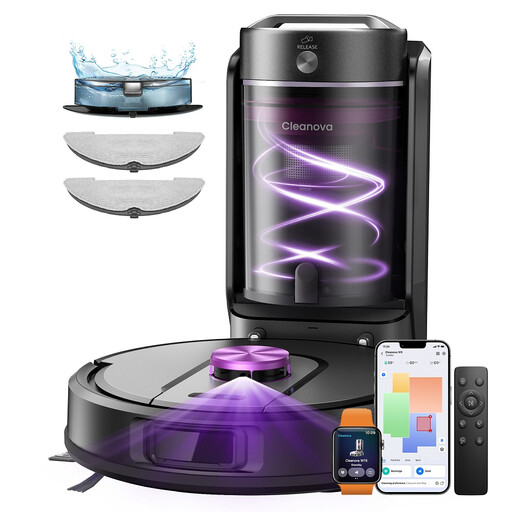
Why it's a match: This model offers the three core functions (vacuuming, mopping, self-emptying) at a very accessible price point. Ideal for those looking to switch to an automated system without paying a premium.
The LiDAR navigation ensures a reliable and efficient route, sidestepping the "dumb" navigation pitfall. The bagless self-emptying station prevents recurring costs for dust bags.
According to the manufacturer, Vexilar, the station features multi-cyclone technology that prevents clogging. The combination of LiDAR and a bagless station in this price range is a strong selling point.
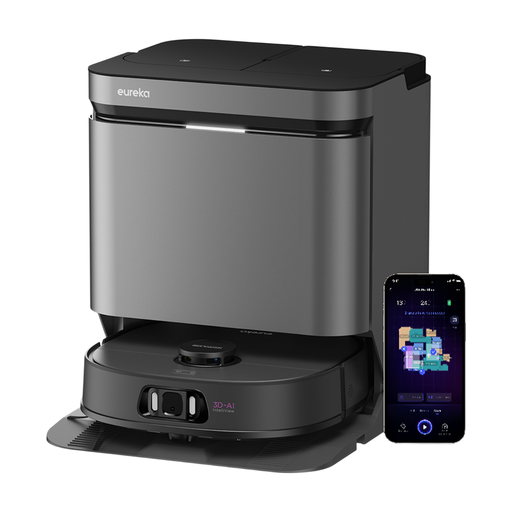
Why it's a match: Specifically designed for the challenges of a busy home with pets. The combination of an anti-tangle brush and a mop system that cleans with hot water effectively tackles hair and stains.
The "FlexiRazor" anti-tangle technology, as described by Eureka, addresses the core of the Pa Paradox: it's not just about suction power, but about effectively picking up debris like pet hair without the brush getting jammed.
The station cleans the mop pads with 75°C hot water. This is a significant advantage for hygiene, especially when cleaning up paw prints or small accidents.
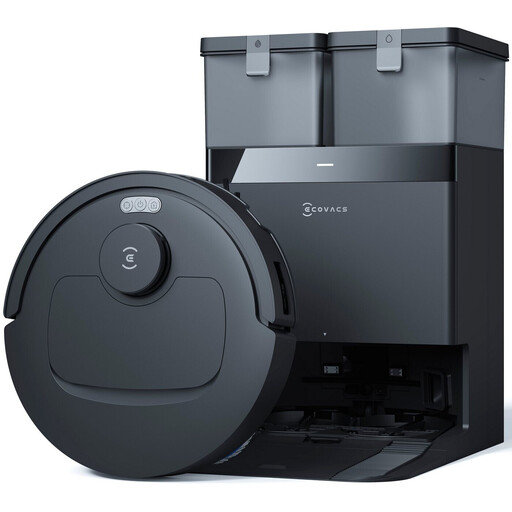
Why it's a match: This is a solution for those who want a virtually fully automated cleaning system. The OMNI station handles almost all the maintenance, from emptying and washing to drying and refilling.
This model tackles the pitfall of the high-maintenance station. According to ECOVACS, the OMNI station automates emptying, washing (with 75°C water), drying, and detergent dispensing, keeping manual maintenance to a minimum.
The combination of the "ZeroTangle" brush and "TruEdge 2.0" technology for edge cleaning ensures thorough coverage. The mop can extend to clean tightly along baseboards and furniture.
We have compiled a complete, up-to-date list of products that meet these strict selection criteria and relevant safety standards.
This depends on the size of your home, the presence of pets, and how often you use the robot. For a station with a dust bag, you can expect it to last 30 to 60 days before the bag is full. A bagless station may need to be emptied more often, for example, every 2 to 4 weeks, but this comes with no extra costs.
Yes, provided you choose a model with an automatic mop-lift feature. This function ensures the robot lifts its mopping pads as soon as it detects carpet. This way, only the hard floor is mopped, and your carpet stays dry. Models without this feature require you to manually set "no-go zones" via the robot vacuum with an app or remove the mopping module.
A robot vacuum lasts an average of 3 to 5 years, depending on use and maintenance. The battery is often the first component to wear out. Most batteries retain their capacity for about 500 to 800 charging cycles. Regular maintenance, such as cleaning brushes and filters, is crucial for extending the lifespan of the motor and other parts.
