
Vandaag of morgen in huis

Kwaliteit gegarandeerd

Welkomstaanbiedingen ontgrendelen: GRATIS bezorging | Tot 80% korting | Gratis 30 dagen JoyPlus-proefperiode
Download de app
A robot vacuum cleaner with a mopping function and auto-empty station can vacuum every day, mop lightly and empty its dust container automatically. That’s useful for busy households, families with pets and homes with a mix of carpet and hard floors. However, not every model is suitable for every home.
Marketing often focuses on high suction power, smart apps and a ‘maintenance-free’ experience. In practice, navigation, the mopping system, where you place the station and the availability of replacement parts are what matter most. Read on to find out what to look for and which models suit different needs.
A robot vacuum cleaner with strong suction can pick up more dirt, but the results also depend on the brush, airflow, floor type and suction setting. So a high pascal rating doesn’t guarantee that hair or crumbs will be picked up in a single pass. Also check whether the model has a carpet mode, automatic suction adjustment or an anti-tangle brush.
A robot vacuum cleaner with automatic dust disposal usually only empties the dust container. More advanced stations also wash and dry the mop pads. You’ll still need to replace dust bags, clean filters, refill the water and wipe down the sensors. Check the capacity and cost of replacement dust bags, mop pads and brushes before you buy.
A flat mop pad removes fine dust and light stains, but it won’t replace manual cleaning when dirt has dried on. If you have carpet, look for carpet detection and a function that lifts the mop. Without these features, a wet mop could dampen a rug. Also, only use cleaning solution if the manufacturer expressly permits it.
A robot vacuum cleaner with LiDAR navigation uses laser pulses to map your home. This allows it to follow systematic routes, identify multiple rooms and often set no-go zones. That’s useful in Dutch homes with thresholds, chairs and narrow passageways.
LiDAR won’t prevent every problem, though. Loose cables, toys, socks and long tassels can still get caught. A model with additional sensors or structured light may be better at recognising obstacles, but always clear the floor before its first cleaning run.
When choosing a robot vacuum cleaner for carpet and hard floors, consider the following:
The suction power figures given are product specifications from the product information. Performance claims, such as a particular cleaning percentage, are based on a brand’s own research and should not automatically be taken as a general guarantee of real-world results.
A robot vacuum cleaner with a self-emptying base needs enough space to return to the station properly. For several models, a clearance of around 0.5 metres on either side and 1.5 metres in front is recommended. Measure the space before you order.
Also check:
A smart robot vacuum cleaner with an app lets you set schedules, rooms and no-go zones. Check that your home has the required Wi-Fi network and find out which features are only available through the app.
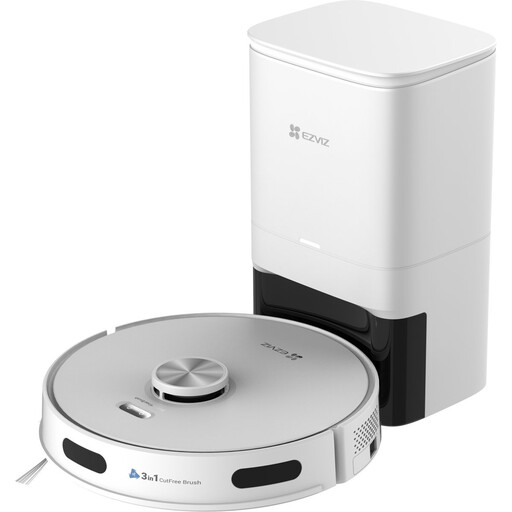
Why it suits this type of user: This model combines mopping, LiDAR navigation and automatic emptying without an extensive washing and drying station. That makes it a straightforward choice if you’re buying a robot vacuum cleaner for the first time.
The product specifications list 4000 Pa, LDS LiDAR and a disposable dust bag. Check that you have the required 2.4GHz Wi-Fi in advance, and bear in mind that the mop needs to be maintained manually.
LiDAR mapping, an integrated mopping function and automatic emptying, according to the product description.
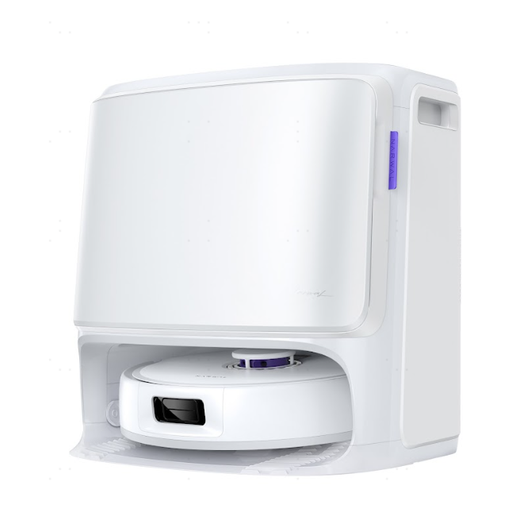
Why it suits this type of user: Households with pets and a mix of floor types get a more advanced station that handles dust disposal, mop cleaning and drying.
The product information lists a dual anti-tangle brush, carpet detection and a mop lift. The stated cleaning percentages are claims based on Narwal’s own information, not a general guarantee.
11,000 Pa according to the product specifications, a 2.5-litre dust bag and LDS LiDAR with additional obstacle sensors.
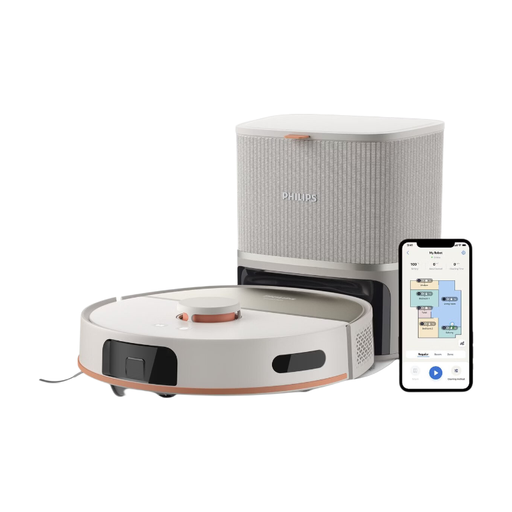
Why it suits this type of user: This model is aimed at larger households looking for a combination of vacuuming, mopping, app control and a large-capacity auto-empty station.
The description lists carpet detection, mop technology and an anti-tangle brush. Check that you have enough space for the station, and replace the dust bag when needed.
10,000 Pa, automatic dust disposal, LDS laser navigation and a stated run time of up to 70 days without emptying, according to the product information.
We’ve put together a complete, up-to-date list of products that meet these strict selection criteria and the applicable European safety regulations.
Yes. A model can be suitable for pet hair if it has enough suction power, an anti-tangle brush and an appropriate carpet mode. Brushes and filters still need to be checked regularly.
It depends on how often you use it, the size of your home and how much dust it collects. According to the product information, a dust bag may last for several weeks or months, but check the bag and app notifications regularly. Water tanks and mop pads usually need more frequent attention.
Not always. Check whether the model detects carpets and automatically lifts the mop or avoids carpet. Hard floors are generally suitable for light mopping; carpets should stay dry unless the manufacturer recommends a specific setting.
