
Vandaag of morgen in huis

Kwaliteit gegarandeerd

Welkomstaanbiedingen ontgrendelen: GRATIS bezorging | Tot 80% korting | Gratis 30 dagen JoyPlus-proefperiode
Download de app
First vacuuming, then mopping. It's a time-consuming chore that repeats every week. A device that performs both tasks simultaneously sounds like the perfect solution. But the market for a vacuum and mop in one is filled with marketing promises that aren't always kept. Many people invest in an expensive appliance that only leads to frustration after a few months.
As a Joybuy Product Recommendation Officer, I'll help you see through the marketing jargon. We'll focus on the specifications that truly matter, so you can make an informed decision. Let's start by discussing the most common pitfalls.
Before you're tempted by glossy ads, it's important to know where things often go wrong. These three problems cause many devices to fall short of expectations.
To avoid a bad purchase, focus on the technical details that determine how a device performs in practice. These are the three most important points to check.
A good wet and dry vacuum must always have two separate water tanks: one for clean water (and possibly detergent) and one for the collected dirty water. Devices that lack this feature are essentially mopping your floor with increasingly dirty water. Also, pay attention to the tank capacity. Larger tanks mean you'll need to refill or empty them less often, which is convenient for larger areas.
The choice between a cordless vacuum and mop and a corded model depends on your home and your patience.
An advanced hard floor cleaner offers more than just a rinse cycle. The most effective self-cleaning systems use hot water to thoroughly disinfect the brush roller and, more importantly, a hot air drying function. This prevents mould and unpleasant odours, keeping the device hygienic and ready for the next cleaning session.
Not everyone needs the same device. Below are some recommendations tailored to specific living situations.
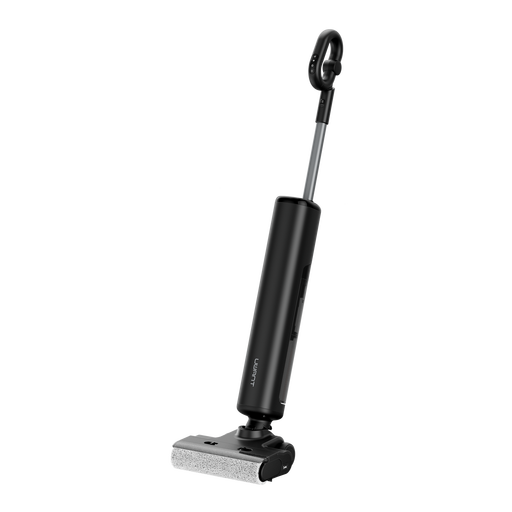
Why This Fits Their Persona: For families dealing with daily spills, a quick and thorough solution is essential. This cordless model is ready to tackle both dry debris and liquids instantly, from toppled cups to crumbs under the dining table.
Its "dual-edge cleaning" addresses the pitfall of missed edges. The base station with hot air drying prevents a smelly brush, a common maintenance issue.
180° Lay-Flat Design: Enables cleaning under low furniture like sofas and beds. Automatic Self-Cleaning and Drying: Minimises manual maintenance and keeps the device hygienic.
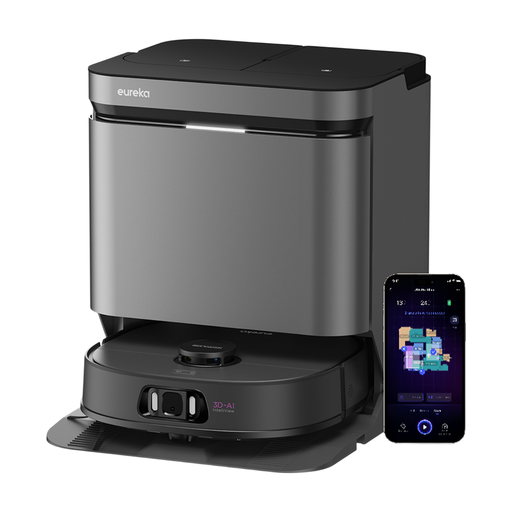
Why This Fits Their Persona: Pet hair and muddy paws demand a powerful, consistent approach. This robot vacuum and mop combo completely automates the daily work, ideal for those who want a constantly clean floor without the effort.
The "FlexiRazor" anti-tangle technology is specifically designed to prevent hair from wrapping around the brush. The base station cleans the mop pads with 75°C hot water, ensuring superior hygiene and preventing odours.
Fully Autonomous: The station empties the dustbin, washes and dries the mops, and refills the water. Precise Edge Cleaning: The extendable mop arms effectively tackle edges and corners, a point where many other robots fail.
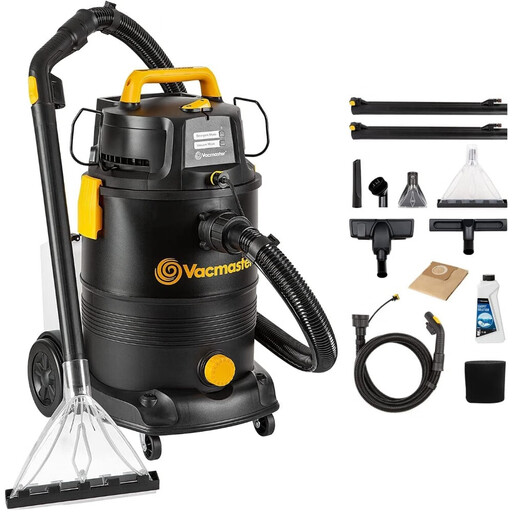
Why This Fits Their Persona: For those seeking a powerful all-rounder that does more than just hard floors. This corded model is also suitable for cleaning carpets, cars, and upholstery. A practical choice for those who prioritise functionality over the latest gadgets.
This model focuses on pure, reliable power (1300W motor) rather than just a high Pa rating. It lacks advanced self-cleaning, but its components are robust and designed for easy manual maintenance, which prevents hidden defects.
3-in-1 Functionality: Can wet and dry vacuum, as well as deep clean carpets and upholstery with a washing function. Large Capacity: With a 30L collection tank and a 6L detergent tank, you can tackle large jobs without interruption.
We have compiled a complete, up-to-date list of products that meet these selection criteria and comply with current safety regulations.
Ideally, you should empty the dirty water tank after every use. Stagnant dirty water can quickly become a source of unpleasant odours and bacterial growth. Rinsing the tank with clean water takes only a minute and significantly extends the lifespan and hygiene of your device.
Most models are designed for sealed hard floors, such as laminate, PVC, vinyl, and tile. Caution is advised with untreated or oiled wooden floors, as excessive water can damage the wood. Many devices offer the ability to manually adjust the water flow. When in doubt, always check the recommendations of your flooring manufacturer.
Not necessarily. Suction power, expressed in Pascals (Pa), is only one component of performance. The design of the brush roller, the efficiency of the airflow, and the way water is distributed and suctioned are at least as important. A well-designed device with a lower Pa rating can perform better in practice than a poorly designed model with a higher number on paper. Focus on the combination of specifications, not on a single number.
