
Vandaag of morgen in huis

Kwaliteit gegarandeerd

Welkomstaanbiedingen ontgrendelen: GRATIS bezorging | Tot 80% korting | Gratis 30 dagen JoyPlus-proefperiode
Download de app
One sip, and you're transported to a tropical island. The promise of exotic juices is alluring, especially on a warm day. But not all tropical drinks are what they seem. Behind the colourful packaging often lie hidden pitfalls that can make your purchase less refreshing than you'd hoped.
Before you fill your shopping cart, it's wise to know what to look for. Many drinks conceal excessive amounts of sugar or contain hardly any real fruit. We've outlined the most common missteps so you can make an informed choice.
The shelves are filled with Asian drinks and other exotic options. To avoid disappointment, it's smart to check three things: the sugar content, the fruit juice percentage, and any additives that affect the texture.
A drink with "real fruit" sounds healthy, but the amount of added sugar is often comparable to that of a regular soft drink. Manufacturers are clever at hiding sugars under various names.
The terms "fruit juice" and "fruit drink" are often used interchangeably, but they mean different things. The amount of actual fruit can vary enormously.
Some Asian drinks, like Mogu Mogu or an aloe vera drink, contain pieces. This can be a fun surprise, but if you're expecting a smooth beverage, it might be a letdown.
To help you choose, we've matched some popular options with different preferences. These recommendations are based on product specifications and ingredient lists.
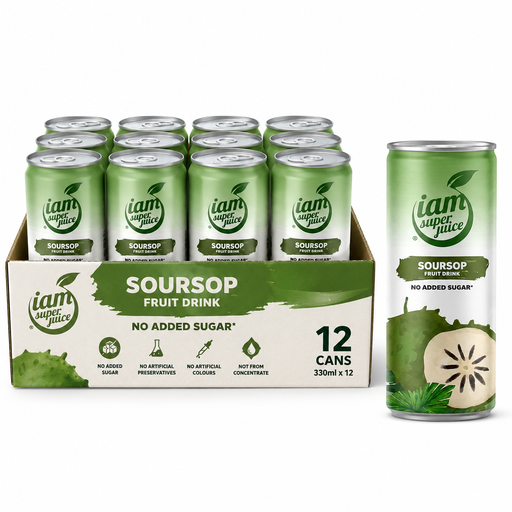
Why This Fits Their Persona: Ideal for those seeking a refreshing, tropical taste without the sugars. Perfect as a lighter alternative to traditional soft drinks, with a pure fruit flavour.
This drink bypasses the sugar trap by adding no sugar. It's sweetened with stevia and contains only 3.9 grams of natural sugars and 18 kcal per 100 ml.
Made from 30% natural soursop juice (not from concentrate) and contains no artificial preservatives or colourings. Enriched with Vitamin C.
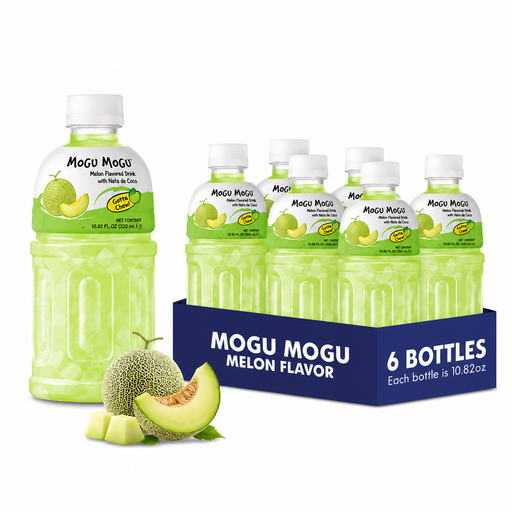
Why This Fits Their Persona: For those who like to combine drinking with a unique experience. The chewy pieces make this a playful and surprising beverage, unlike any other juice.
This product fully embraces the "texture surprise." It's not a pitfall, but its main feature. You know exactly what you're getting: a drink you have to chew.
Combines a sweet melon flavour with the unique texture of real nata de coco (coconut jelly). A globally popular Asian drink that offers refreshment and fun.
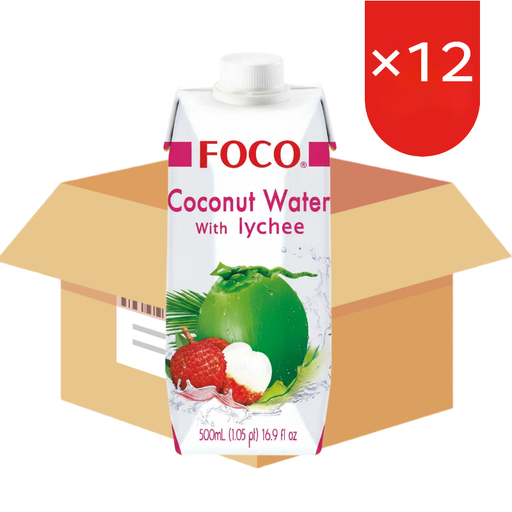
Why This Fits Their Persona: An excellent choice for those looking for a light, hydrating drink. Ideal for after a workout or as a refreshment on a hot day, with a subtle tropical flavour.
This drink is transparent about its contents: it's primarily coconut water with 5% lychee juice. It's fat-free and, at 20 kcal per 100 ml, a distinctly low-calorie option.
Combines the hydrating properties of pure coconut water with the sweet, fragrant taste of lychee. A light and refreshing thirst quencher.
Whether you're searching for a classic mango juice, an adventurous aloe vera drink, or want to buy pure coconut water, there's always a tropical drink that's right for you.
Coconut water is the clear, watery liquid from the inside of young, green coconuts. It is naturally low in calories and fat. Coconut milk (or coconut juice in some drinks) is made from the grated flesh of ripe, brown coconuts. It is creamier, higher in fat, and more calorie-dense.
Most tropical drinks are best kept in the refrigerator after opening and consumed within 3 days. Always check the instructions on the packaging for specific storage advice.
Nata de coco is a chewy, translucent jelly that originated in the Philippines. It is made through the fermentation of coconut water. It has a neutral taste and is primarily valued for the unique, firm texture it adds to drinks and desserts.
