
Vandaag of morgen in huis

Kwaliteit gegarandeerd

Welkomstaanbiedingen ontgrendelen: GRATIS bezorging | Tot 80% korting | Gratis 30 dagen JoyPlus-proefperiode
Download de app
A carton of fruit juice or a fruit drink may seem simple to choose. However, the difference between juice, nectar and a fruity soft drink can be significant. Terms such as “tropical”, “with vitamins” or “no added sugar” do not always mean what you might expect as a consumer.
If you want to buy fruit juice online, it is therefore wise not to look only at the front of the packaging. The ingredients list, nutritional values, fruit percentage and pack size determine whether a product suits breakfast, a meal, a day out or a children's drink for when you are on the go.
A tropical image on the packaging does not automatically mean that it contains a lot of mango, pineapple or passion fruit. In some drinks, the fruit content mainly consists of apple or citrus juice from concentrate, supplemented with flavourings.
So check:
For example, according to the product information, Capri-Sun Orange contains 10% concentrated fruit juice, comprising 6% orange and 4% lemon. This makes it a fruit drink containing fruit juice, not pure orange juice.
Fruit naturally contains sugars. Drinks may also contain sweeteners such as stevia, sucralose or acesulfame K. So always check the table showing carbohydrates of which sugars per 100 ml.
An example from the product information:
If you are looking for a sugar-free fruit drink, check whether “sugar-free” is stated literally on the label and whether sweeteners have been added. “No added sugar” is a different designation.
A 1.5-litre bottle is handy for a family or a meal, but it needs to be refrigerated after opening. Smaller packs are easier to take with you, but may work out more expensive per litre.
When choosing a fruit juice multipack, consider:
There is a practical difference between fruit juice and a fruit drink. With juice, the emphasis is on fruit juice or juice from concentrate. A fruit drink may also contain water, sugar, milk ingredients, flavourings, acids, stabilisers and sweeteners.
According to the product description, DubbelDrank Pineapple Guava Apple contains at least 40% fruit content and added vitamins C and D. Other varieties, such as DubbelFrisss Boost, list 15% fruit juice. Both may have a fruity flavour, but their compositions are clearly different.
Always compare the same unit. A 200 ml glass contains twice the amount shown in the table per 100 ml.
Pay particular attention to:
Vitamins are not a reason to overlook other information. According to the product information, for example, Taksi Tropical Fruit and DubbelDrank are fortified with vitamins. The exact amounts are shown on the label and may vary between packs.
Drinks containing milk ingredients are not suitable for everyone. Taksi Tropical Fruit, g'woon Zappie and DubbelFrisss Boost list milk as an allergen. If you have food allergies, always check the current packaging, even if an online product page does not display allergen information.
Also look out for:
According to the product information, Capri-Sun Orange is offered without artificial colourings and preservatives. This is a product claim that you can check on the packaging; it does not mean that the drink contains no sugar or sweeteners.
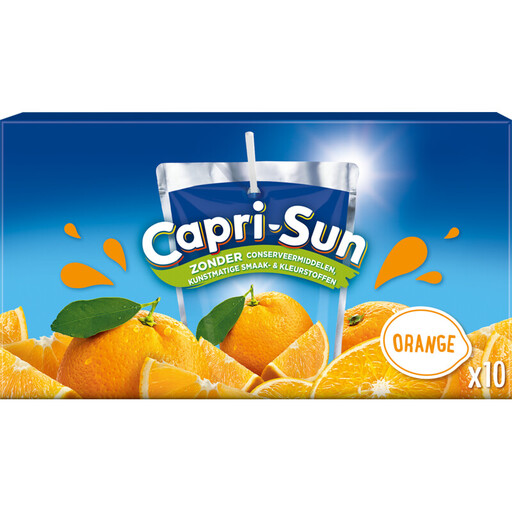
Why it suits this profile: The 10 × 0.2-litre pack is easy for families to manage and convenient for school, a day out or a picnic.
The fruit percentage and nutritional values are given per 100 ml. This means you can compare the contents without relying solely on the orange packaging.
10 individual 200 ml portions; according to the product information, no artificial colourings or preservatives; 19 kcal per 100 ml.
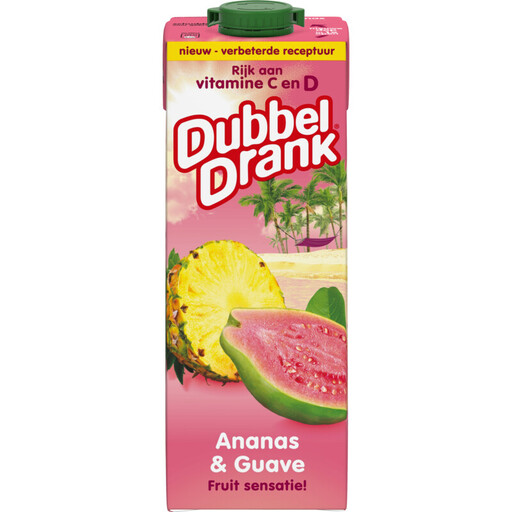
Why it suits this profile: Ideal if you are looking for a distinctive combination of pineapple, guava and apple and consider fruit content important.
The product description states that it contains at least 40% fruit. The ingredients list also shows which juice concentrates have been used.
1-litre pack; according to the product information, added vitamins C and D; none of the 14 main EU allergens listed.
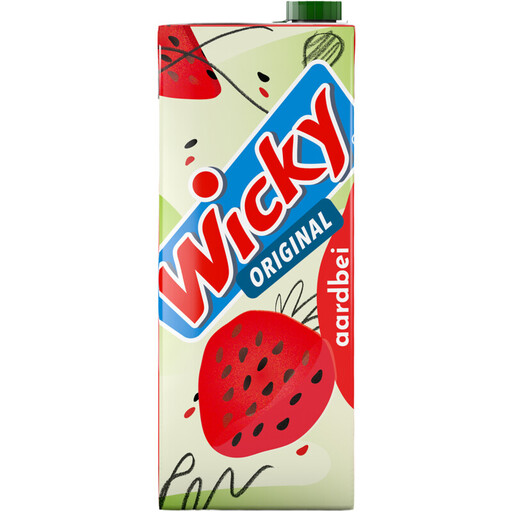
Why it suits this profile: A 1.5-litre bottle is well suited to use at home, family meals and occasions when several glasses are being poured.
The table lists 5.7 grams of sugar per 100 ml and 24 kcal. This helps you estimate the portion size and total consumption in advance.
1.5-litre volume; strawberry flavour; according to the product information, no artificial sweeteners, colourings or flavourings; vitamin E listed.
We have put together a complete, up-to-date list of products that fully meet these strict selection criteria and the applicable European safety regulations.
If you enjoy a tropical fruit drink, Taksi Tropical Fruit, DubbelFrisss Boost Pineapple Mango and g'woon Zappie Tropical are possible options. With these varieties, however, pay attention to milk as an allergen and to the difference between 6%, 8% or 15% fruit content.
If you are looking for a distinctive flavour, consider:
For an alternative without fruit sugar, g'woon Clear Apple Pear contains 0 grams of sugar per 100 ml and just 0.02% fruit, according to the product information. It is therefore more of a flavoured drink than juice containing fruit. So check whether the flavour and composition match your expectations.
Fruit juice consists mainly of juice, which may be from concentrate. A fruit drink often contains less juice and more water, as well as ingredients such as sugar, sweeteners, flavourings or milk ingredients. The fruit percentage on the label provides a useful indication.
Small packs, such as 10 × 0.2 litres or a carton with a straw, are easy to hand out and do not need to be poured into glasses again. Do check the amount of sugar per 100 ml and read the storage instructions after opening.
Always follow the instructions on the label. Most of the drinks mentioned need to be refrigerated after opening and used within the stated period. Seal a bottle or carton properly and do not consume the product if the seal was broken when you bought it.
