
Vandaag of morgen in huis

Kwaliteit gegarandeerd

Welkomstaanbiedingen ontgrendelen: GRATIS bezorging | Tot 80% korting | Gratis 30 dagen JoyPlus-proefperiode
Download de app
Whether it's for breakfast, a thirst-quencher for the kids, or the base for a party cocktail, apple juice is a staple in many households. But the shelves are packed with options that all look the same. From pure juice to apple drinks and apple cider, the differences aren't always clear. This often leads to confusion and purchases you later regret.
Before you place a carton or bottle in your basket, it's wise to know the common pitfalls:
By paying attention to a few key points, you can make a choice that better suits your needs.
To see through the marketing, focus on the information on the label. Two specifications are crucial here.
The name on the packaging tells you how much real fruit is inside. The rules are quite clear:
So, always look for the term 'juice' or 'drink' and check the fruit content percentage in the ingredients list if you want to be sure.
For those watching their sugar intake, the nutritional information table is indispensable. Look for the line 'Carbohydrates, of which sugars'.
Compare the amount of sugar per 100 ml between different products to make an informed choice.
To help you choose, we've matched several popular products with different user profiles.
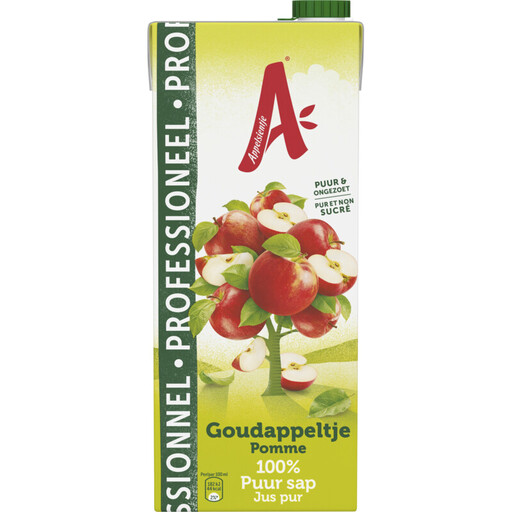
Why This Fits Their Persona: A reliable choice for daily use. The large pack is convenient for families, and it's a well-known brand that stands for pure juice, ideal for breakfast or as a snack for the kids.
This product is clearly labelled as 100% pure juice. It bypasses the pitfall of an 'apple drink' masquerading as juice. There are no added sugars, only the sugars naturally present in the apples.
Consists entirely of juice from concentrate (100% fruit content). Contains no preservatives.
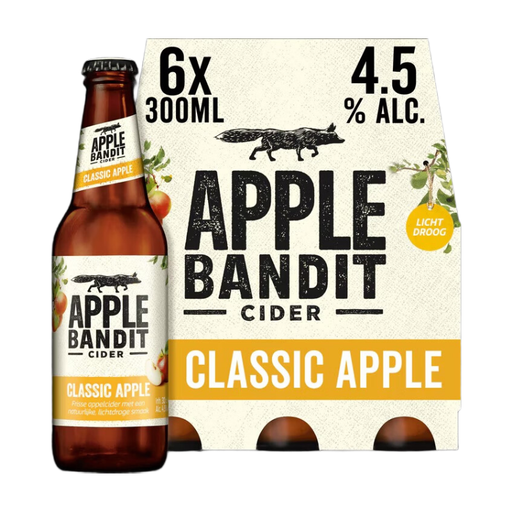
Why This Fits Their Persona: Perfect for those looking for a refreshing alcoholic beverage for a social gathering or barbecue. It's a popular alternative to beer or wine and is often associated with fun, social moments.
This product is clearly an apple cider, not apple juice. The alcohol content of 4.5% is prominently displayed, leaving no room for confusion. It is intended for adults.
Refreshing, light, dry taste. Convenient 6-pack for social occasions. Contains 40% apple juice.
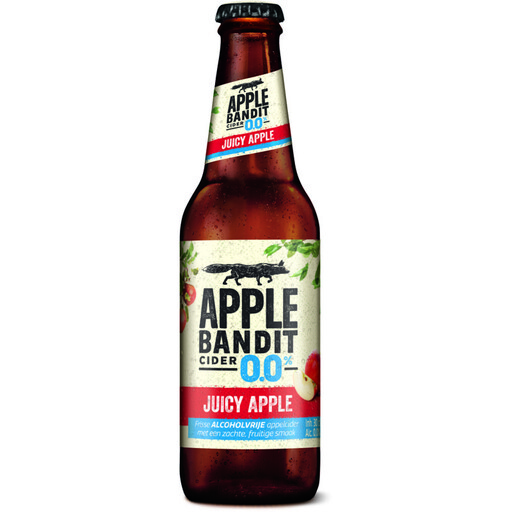
Why This Fits Their Persona: For those who want the vibe of a cider but don't drink alcohol. Ideal for the designated driver, during pregnancy, or simply when making a mindful choice. It provides a festive feeling without the alcohol.
This product resolves the confusion between cider and juice by offering a clear 0.0% alcohol version. It is explicitly positioned as a non-alcoholic cider, so you know exactly what you're getting.
Completely alcohol-free. Offers the taste experience of a soft, fruity cider. Gluten-free.
We've curated a complete, up-to-date list of products that meet these selection criteria and comply with local regulations.
Apple juice from concentrate is made by first removing the water from the juice, which makes transportation more efficient. Water is added back later. Juice 'not from concentrate' (sometimes called 'freshly squeezed') is bottled directly after pressing. Both are legally considered 100% juice, but there can be slight differences in taste and price.
Once opened, a carton or bottle of apple juice should be stored in the refrigerator. Generally, it will stay good for 3 to 5 days. The exact shelf life can vary by product, so always consult the information on the packaging.
No. Although traditional apple cider is an alcoholic beverage created by the fermentation of apple juice, there are now many alcohol-free versions available. These 0.0% ciders offer a similar taste experience without the alcohol. Always check the label for the alcohol percentage (often indicated as 'ABV' or '% vol').
