
Vandaag of morgen in huis

Kwaliteit gegarandeerd

Welkomstaanbiedingen ontgrendelen: GRATIS bezorging | Tot 80% korting | Gratis 30 dagen JoyPlus-proefperiode
Download de app
A carton of orange juice might seem simple to pick, until you start comparing the labels. One pack contains 100% fruit juice, while another is mostly water with a small amount of juice. Terms like “no added sugar”, “with vitamin C” and “orange drink” don’t mean the same thing either.
For a family breakfast, a stock for visitors or daily use, three things really matter: the fruit percentage, the ingredients list and the pack size. Below, you’ll learn how to check marketing claims and which options suit different buying profiles.
Orange juice with no added sugar can still contain naturally occurring fruit sugars. So don’t just look at the front of the pack – check the nutrition table too. Appelsientje Orange Juice, for example, lists 8.6 grams of sugars per 100 ml, even though the product information states no sugar has been added.
With an orange drink, sugar, sweeteners or fruit juice from concentrate may have been added. The word “orange” on the packaging doesn’t automatically mean you’re buying 100% pure orange juice.
Check the ingredients in order of quantity. If water comes first and the orange juice content is only a small percentage, it’s a drink, not pure juice. With Wicky Orange Juice (1.5 litres), the product details mention different recipe variations, so always check the label on the pack you receive.
A product labelled “orange juice from concentrate” can still be 100% fruit juice. The juice is first concentrated and then water is added back to restore the original ratio. “From concentrate” doesn’t automatically mean sugar or artificial additives are present.
A 1.5 litre orange juice is handy for families or when guests come round, but once opened it needs to be kept chilled and used within the time stated on the pack. For one person, a 1 litre orange juice can be more practical, as you’re less likely to end up with leftovers.
When comparing multiple packs, don’t just look at the shelf price – also check the price per litre and how long it stays fresh after opening. A multipack of smaller cartons can be useful when different family members take their own portion with them.
Use this simple guide:
If you’re specifically looking for 100% pure orange juice, it’s a good idea to check both the ingredients list and the “100% fruit content” label together.
Always compare products per 100 ml. This way, you won’t mistake a difference in pack size for a difference in composition. Look out for:
A product that claims to be rich in vitamin C on the packaging must back this up with nutritional information on the label. Appelsientje Orange Juice, for example, lists 33 mg of vitamin C per 100 ml. That’s product information from the brand; it doesn’t mean orange juice has any medicinal effect.
Choose 1 litre for smaller households or occasional use. A 1.5 litre pack is better suited to daily breakfasts with several people. Check that the cap reseals properly and store opened juice in the fridge according to the instructions on the pack.
Also watch out for pulp. It can settle at the bottom. Only shake the pack if the label advises it, and do so gently to avoid leaks.
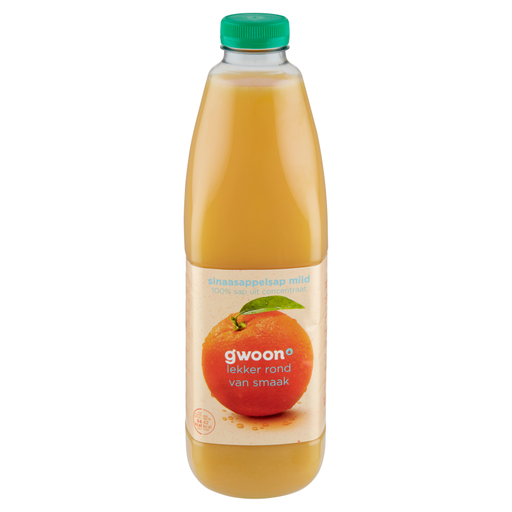
Why this fits the profile: The large size is suitable for a household that pours orange juice regularly. The product information states orange juice from concentrate and no added sugar.
The ingredients list does not mention sugar as an added ingredient. Do check the actual label when you receive it.
1.5 litre content; ingredients list orange juice from concentrate and ascorbic acid.
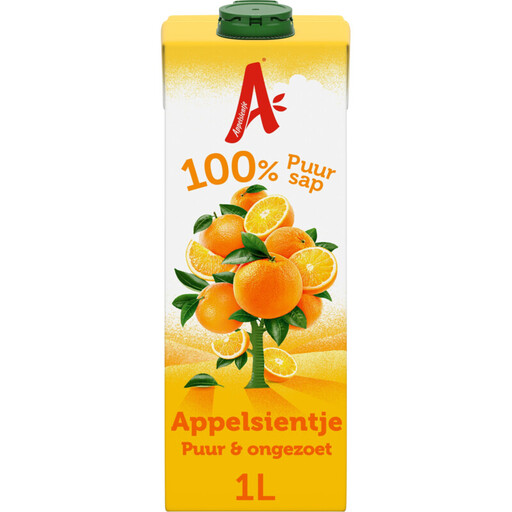
Why this fits the profile: This option is aimed at those who want 100% pure orange juice with no added sugar and like to compare nutritional values carefully.
The product details state 100% fruit content and only naturally occurring fruit sugars.
1 litre; 41 kcal and 8.6 g sugars per 100 ml; 33 mg vitamin C per 100 ml according to the product information.

Why this fits the profile: This option suits drinkers who deliberately choose a clearly noticeable pulp texture and a fuller mouthfeel at breakfast.
The product name and ingredients explicitly mention extra pulp. So you don’t have to guess based on a picture.
100% fruit content according to the product details; 1 litre; 33 mg vitamin C per 100 ml according to the label.
If you mainly want a large pack for daily use, Appelsientje Orange Juice 1.5 litres and g'woon Orange Juice 1.5 litres are sensible sizes to compare. Appelsientje states 100% pure juice, no added sugar and 33 mg vitamin C per 100 ml. With g'woon, be sure to check the current nutrition table and ingredients on the pack.
A smaller pack is more practical if you don’t drink much juice or want to alternate between different types. For visitors, you might focus on the price per litre and a resealable bottle.
We’ve put together a full, up-to-date list of products that fully meet these strict selection criteria and comply with current European safety regulations.
Not always, but it can be. “From concentrate” describes the production method. Check whether 100% fruit content or 100% fruit juice is also stated on the pack. If water, sugar or a low juice percentage appears in the ingredients list, it’s a drink or a blended product.
Store opened orange juice in the fridge and follow the time stated on the pack. Close the lid properly after each use. The recommended period can vary by brand and pack, so don’t automatically use the same timeframe for every product.
No. “No added sugar” means that no sugar has been added to the recipe, according to the product information. Orange juice still typically contains natural fruit sugars. So compare the value for “of which sugars” per 100 ml.
