
Vandaag of morgen in huis

Kwaliteit gegarandeerd

Welkomstaanbiedingen ontgrendelen: GRATIS bezorging | Tot 80% korting | Gratis 30 dagen JoyPlus-proefperiode
Download de app
Orange juice might seem like a straightforward purchase, but the difference between 100% orange juice, orange drink and freshly squeezed juice is significant. The front of a carton often boasts words like “fresh”, “fruity” or “with vitamins”. The ingredients list and nutrition table give you a far more reliable picture.
As Joybuy Product Recommendation Officer, I focus on verifiable facts: the composition, quantity, storage instructions and practical features. This way, you avoid paying for a large carton that doesn’t suit your household or when you plan to drink it.
A product with an orange flavour can also contain water, apple concentrate, sugar, milk solids or flavourings. Orange drink is therefore not the same as pure fruit juice. Always check the ingredients. With 100% orange juice, you’ll typically see orange juice, possibly from concentrate, listed as the main ingredient.
Also, “no added sugar” doesn’t mean the product is sugar-free. Oranges naturally contain sugars. So look at the “of which sugars” line per 100 ml and the full ingredients list.
Some cartons state that oranges were pressed shortly after picking. That tells you something about the production process, but it doesn’t automatically mean the juice will be in your fridge the same day. Products made from concentrate are also fruit juices, but they are produced differently.
If you want to make fresh orange juice yourself, you’ll need a citrus press. It takes more preparation and cleaning, but you control the type of fruit, the amount of pulp and the moment you press it.
A carton of orange juice 1.5 litres is handy for families or guests, but once opened, the juice must be kept chilled and used within the period stated on the pack. For one person, orange juice 1 litre is often more practical. Don’t just compare the price per carton; also consider the volume, shelf life after opening and how much you expect to drink.
Choose based on how you plan to use it:
Nutritional information varies by brand. For example, Appelsientje Orange Juice states 41 kcal and 8.6 g of sugars per 100 ml. Hui Yuan states 38.7 kcal and 8.9 g of sugars per 100 ml. According to the product information, neither product has added sugar. The natural sugars remain present.
For a daily breakfast, a 1-litre carton is usually easy to manage. A 1.5-litre carton suits multiple drinkers or a family better. Always check the current instructions on the pack. Many fruit juices need to be chilled after opening and used within a few days.
Gently shake orange juice with pulp before pouring. With freshly squeezed juice, it’s best to drink it straight away or keep it chilled; follow the instructions for your citrus press and use clean equipment.
With a citrus press or electric citrus press, these points are particularly relevant:
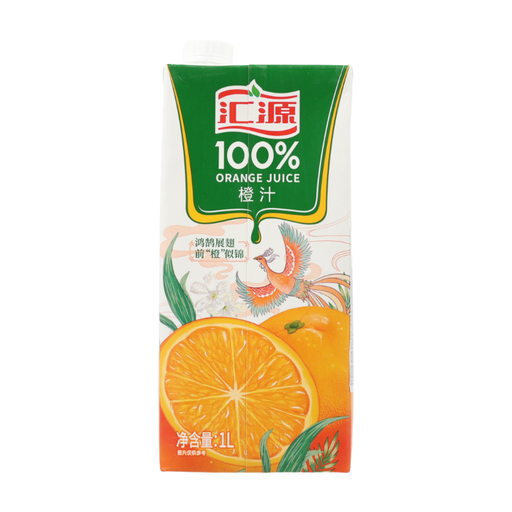
Why this suits the profile: The 1-litre carton is easy to manage for daily use. According to the product information, the recipe consists of water and concentrated orange juice, with no added sugar, preservatives or artificial colours.
The ingredients and nutritional values are clearly stated. This helps you distinguish it from drinks with added sugar or multiple fruit varieties.
1 litre volume, 38.7 kcal per 100 ml according to the product information, and a simple recipe with two ingredients.
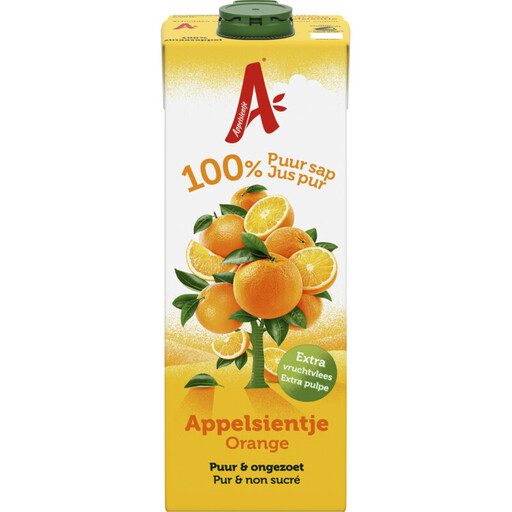
Why this suits the profile: According to the product description, this variant contains 100% pure juice with extra pulp. The carton states orange juice from concentrate and no added sugar.
The “with extra pulp” label makes the texture clearer than with smooth juice. The nutrition table stops you from relying only on the front of the carton.
Extra pulp, 1 litre volume and, according to the label, 33 mg of vitamin C per 100 ml.
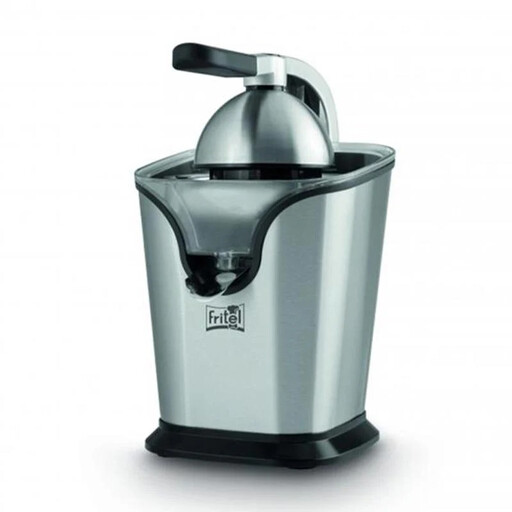
Why this suits the profile: This electric citrus press has a power rating of 100 W, a lever operation and two interchangeable pressing cones for different citrus sizes.
The drip-stop helps limit spills, and the removable parts can go in the dishwasher according to the product information.
Two cone sizes, built-in pulp filter, non-slip feet and a compact size of 270 × 185 × 165 mm.
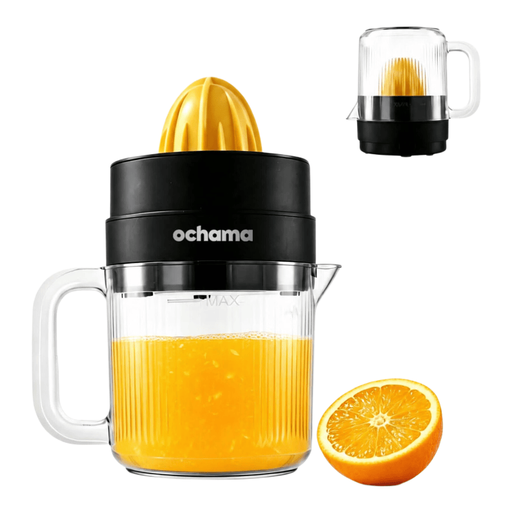
Why this suits the profile: According to the product information, this semi-automatic press has a collection capacity of 1.4 litres and is designed for regular use with oranges, lemons and other citrus fruits.
The parts can be dismantled for cleaning. The design without cutting blades stops you from buying a blender-style appliance for a job that doesn’t need one.
1.4 litre capacity, electric pressing function and a design for separating pulp.
We’ve put together a full, up-to-date list of products that fully meet these strict selection criteria and current European safety regulations.
No. Even without added sugar, orange juice contains natural sugars from oranges. Compare the nutritional value per 100 ml and check the ingredients list.
This varies by product. Store opened juice chilled and follow the period stated on the pack. Seal the carton well and check the smell, taste and appearance before drinking.
That depends on the price of citrus fruit, how much you use each week and the cost of the appliance. An electric citrus press can be practical for families who make fresh juice often. For the occasional glass, a 1-litre carton is usually simpler.
