
Vandaag of morgen in huis

Kwaliteit gegarandeerd

Welkomstaanbiedingen ontgrendelen: GRATIS bezorging | Tot 80% korting | Gratis 30 dagen JoyPlus-proefperiode
Download de app
A carton of apple juice might seem like a straightforward purchase. Yet products vary widely in their composition, flavour and intended use. One bottle contains 100% apple, while another is mostly water, sugar or other fruit juices. Terms like “no added sugar” and “natural” can also be confusing if you don’t look more closely at the label.
With this practical buying guide, you’ll find it easier to see which option suits your household, taste and the occasion you’re buying for.
Not every product with “apple” on the front is 100% apple juice. A fruit drink can contain water, several fruit juices, flavourings or sweeteners. So always check the percentage of fruit juice and the ingredients list.
A product with 70% fruit juice, such as Van De Boom Apple Juice, is officially a fruit drink and not pure apple juice. According to the product information, the remaining content includes water and natural flavourings. This can give a lighter taste and a lower sugar content, but it’s different from 100% juice.
Apple juice with no added sugar still contains naturally occurring sugars from the apples. With 100% juice, the sugar content per 100 millilitres is often around 9 to 11 grams. A lower number doesn’t automatically mean the product contains no sugar.
Van De Boom, for example, states 6.7 grams of sugar per 100 millilitres and 0% added sugar. This is partly because the product has been diluted with water. So always compare the nutritional values per 100 millilitres, not just the text on the front.
A bottle of apple juice 1.5 litres is handy for a family or a breakfast with several people. For occasional use, a 1-litre carton can be more practical, as it takes up less space in the fridge. For on the go, smaller packs, such as 300 millilitres, are often more suitable.
Once opened, apple juice should be kept refrigerated according to the product information. Also check the instructions on the packaging and use the product within the stated period.
The ingredients are listed in descending order. If “apple juice” is the first ingredient and 100% fruit is stated, then it’s pure juice. With an apple drink, water, sugar, flavourings or other fruits may appear before or alongside apple.
When looking at a fruit drink with apple, pay particular attention to:
“From concentrate” in itself doesn’t mean a product is inferior. It describes the production method. The final choice depends on fruit content, taste and nutritional value.
Cloudy apple juice is lightly filtered and generally contains more natural particles from the fruit. Flevosap Apple Juice, for example, states 100% apple and a lightly filtered preparation. According to the product description, the juice is made using, among others, Elstar apples and other apple varieties.
Cloudy juice can taste fuller and may contain sediment. This isn’t a sign that the product has gone off, but only shake the pack if the label says to. Clear juice, on the other hand, has a smoother appearance and a more uniform texture.
Use the table per 100 millilitres to fairly compare different types of apple juice. Look at:
A product with less sugar may be diluted or have a lower fruit percentage. So look at the combination of nutritional values and ingredients, not just one isolated claim.
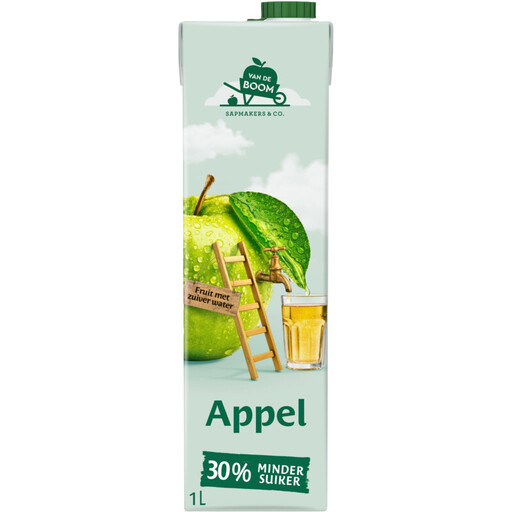
Why this suits the profile: An accessible fruit drink for anyone looking for a lighter apple taste and a lower sugar content. The 1-litre pack is ideal for daily use at home.
The product clearly states 70% fruit juice and 0% added sugar. This makes the difference between a fruit drink and 100% juice easy to see.
70% fruit, 6.7 g sugar per 100 ml and no artificial sweeteners according to the product information.

Why this suits the profile: Ideal for anyone who values 100% apple juice, a cloudy appearance and a pronounced fruit flavour.
The ingredients list only contains apple juice. This makes the difference from a diluted apple drink easy to verify.
100% apple juice, lightly filtered and with no added ingredients according to the product description.

Why this suits the profile: A fitting option for shoppers specifically looking for organic apple juice who appreciate a simple ingredients list.
The product information identifies the variant as organic and lists apple juice as an ingredient. Always check the certification mark on the actual packaging when you buy.
1 litre content, organic designation and 9.2 g sugar per 100 ml according to the product data.
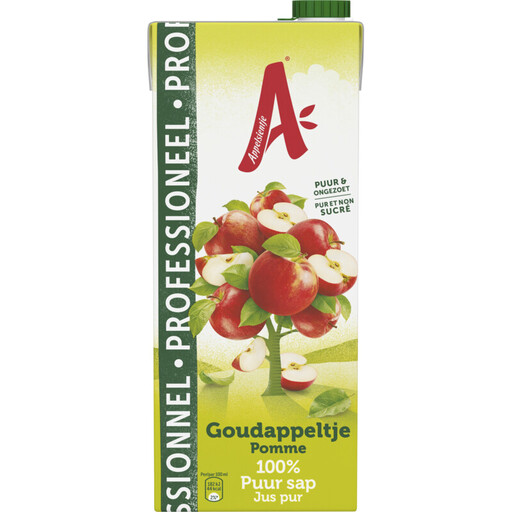
Why this suits the profile: The large bottle is practical for families, shared breakfasts or regular use at home.
The product description states 100% fruit content and no added sugar. This makes the composition clearer than with a general fruit drink.
1.5 litre content, 100% apple juice from concentrate and approximately 9.9 g sugar per 100 ml according to the label.
We’ve put together a full, up-to-date list of products that fully meet these strict selection criteria and comply with current European safety regulations.
Not necessarily. 100% apple juice contains no extra water or other fruit drinks, but it does contain naturally occurring fruit sugars. “No added sugar” only means that no sugar has been added during production.
This varies by product. Store opened apple juice in the fridge and follow the period stated on the label. Many packs indicate that the juice should be used within a few days. Seal the bottle well and check the smell, taste and appearance before drinking.
For regular use, apple juice 1.5 litres is practical. A pack of apple juice 1 litre is more convenient if you use less at a time or have limited fridge space. Small packs of around 300 millilitres are mainly suitable for on the go or a single serving.
