
Vandaag of morgen in huis

Kwaliteit gegarandeerd

Welkomstaanbiedingen ontgrendelen: GRATIS bezorging | Tot 80% korting | Gratis 30 dagen JoyPlus-proefperiode
Download de app
Syrup may seem like a simple product, but the shelves are packed with bottles all vying for your attention. From overly sweet cordials for kids to complex cocktail syrups and sugar-free options. It's easy to grab the wrong bottle and be disappointed by a watery flavour, a hidden sugar bomb, or a product completely unsuitable for your needs. Before you make a choice, it's helpful to know what to look for.
Many consumers fall into a few common traps:
By checking a few key specifications, you can avoid a bad purchase and choose a syrup that truly fits what you're looking for.
To see through the marketing, you can focus on a few objective characteristics on the label. These specifications provide a more honest picture of what you're buying.
The foundation of syrup is sweetness, but its source varies enormously. This affects the taste, calorie count, and who the syrup is suitable for.
The term fruit syrup can be misleading. The percentage of actual fruit is the most important indicator of quality and flavour intensity.
The dilution ratio (e.g., 1:7 or 1:9) tells you how concentrated the syrup is and how many litres of drink you can make from one bottle. A bottle with a 1:9 ratio is generally more economical than one with a 1:7 ratio, as you need less syrup per glass.
Based on these criteria, we have selected several popular choices that suit different users.
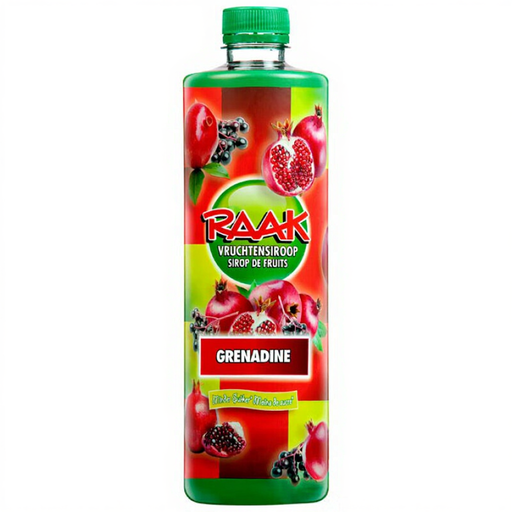
Why This Fits Their Persona: This is the classic, trusted cordial that many families keep in their pantry. The sweet grenadine flavour is a favourite with children, and the large bottle is ideal for birthday parties or daily use.
This syrup doesn't pretend to be a health product. It's an uncomplicated cordial, honest about its ingredients (glucose-fructose syrup) and intended as a sweet treat.
One bottle yields 30 glasses (6 litres) of lemonade, making it an economical choice. The syrup is also vegan and gluten-free.
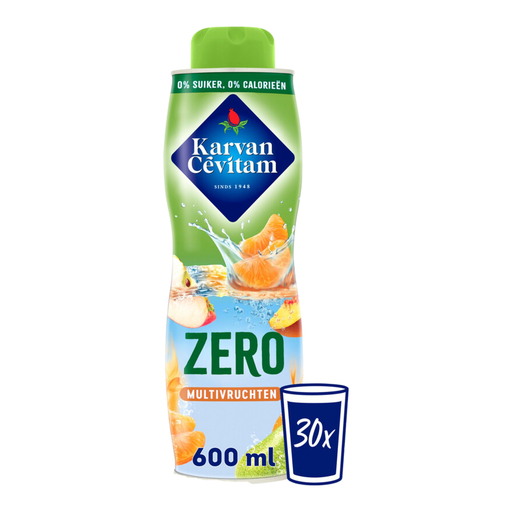
Why This Fits Their Persona: Perfect for adults who enjoy flavoured water but without the sugars and calories. Ideal for making daily water intake more enjoyable.
This syrup is transparent about its "0% sugar" claim. The label clearly states that sweeteners (sucralose and stevia) are used, so you know exactly what you're drinking and can avoid the sugar trap.
Contains 0% sugar and 0 calories. According to the manufacturer, it's a source of vitamin C and contains no artificial colours or flavours.
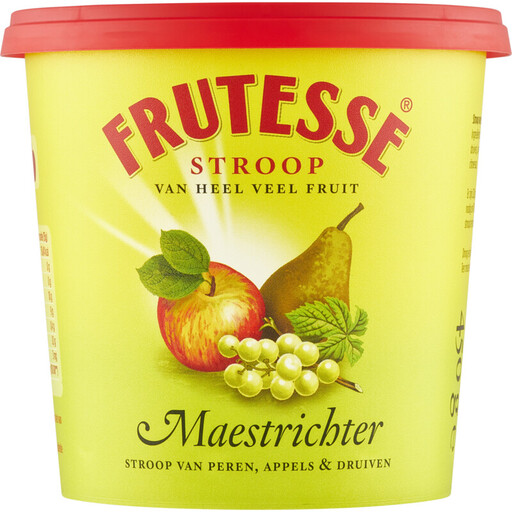
Why This Fits Their Persona: This is not a cordial, but an authentic, thick fruit spread. Perfect on a slice of bread with cheese, on a pancake, or as a flavouring in stews ('zoervleis') and sauces.
This product avoids the "one-size-fits-all" trap. It is clearly positioned as a spread for bread and cooking, not for drinking. The ingredients are focused on a rich, concentrated flavour.
Made from a blend of pears, apples, and grapes for a fresh, sweet taste. A versatile product for both sweet and savoury applications in Dutch and Limburg cuisine.
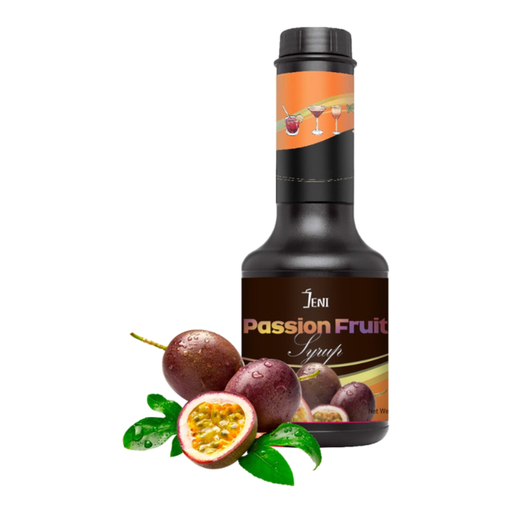
Why This Fits Their Persona: For those who love experimenting with cocktails and mocktails at home, a unique flavour is essential. This passion fruit syrup offers an intense, tropical taste that instantly elevates a standard drink.
This is clearly a specialty cocktail syrup, not an everyday cordial. The flavour is concentrated and specific, avoiding the pitfall of a watery, generic "fruit flavour."
Made with passion fruit juice for an authentic taste. Highly versatile for use in cocktails, mocktails, desserts, or even for creating a unique lemonade.
We've compiled a complete, up-to-date list of products that fully meet these strict selection criteria and Dutch regulations.
Although the terms are often used interchangeably, there are clear differences:
The shelf life after opening varies by product. Always consult the label for the manufacturer's specific recommendation. In general, once opened, syrup is best stored in the refrigerator. Most syrups will then last for several weeks to a month. Syrups with a high sugar content typically last longer than varieties with less sugar or only sweeteners.
Sugar-free syrup contains sweeteners. According to the Netherlands Nutrition Centre, children can safely consume products with sweeteners, as long as the acceptable daily intake (ADI) is not exceeded. Because children have a lower body weight, they reach this limit more quickly. The advice is to give drinks with sweeteners in moderation and to alternate them with water or tea without sugar.
