
Vandaag of morgen in huis

Kwaliteit gegarandeerd

Welkomstaanbiedingen ontgrendelen: GRATIS bezorging | Tot 80% korting | Gratis 30 dagen JoyPlus-proefperiode
Download de app
Soya milk powder is useful when you want to quickly make a plant-based drink without carrying a carton that needs refrigeration. Simply mix it with water for breakfast, at the office or on the go. However, products vary considerably in their ingredients, taste, serving size and preparation method.
If you only look for words such as “pure”, “protein” or “sugar-free”, you may end up buying a product that does not suit your dietary choices. Below, you will find out which information on the label matters and which types of soya milk powder are suited to different situations.
A product labelled soya milk powder with no added sugar does not automatically contain zero grams of sugar. Always check the nutrition table and ingredients list. Malt syrup, maltose and fructose are examples of sweetening ingredients. Natural sugars may also be listed in the table.
According to the product information, Joyoung No Added Sugar Soybean Powder lists only soya as an ingredient and contains 6 grams of sugar per 100 grams. With other products, “no added sugar” may be combined with malt syrup. Always check the full label rather than just the front of the packaging.
A high-protein soya milk powder may contain 40 or 42 grams of protein per 100 grams, but you often use only 20 grams per serving. That works out at approximately 8 to 8.4 grams of protein per serving, depending on the recommended quantity.
So compare both the value per 100 grams and the serving size. A product with 18 grams of protein per 100 grams may still be suitable if you use a larger quantity of powder.
Some varieties are designed for hot water at 70–90 °C. Other products, such as cold brew soya drink powder, can be mixed with cold or room-temperature water according to the instructions. The correct temperature affects how well the powder dissolves and the resulting texture.
Also check whether you need to make a paste with a little water first. This helps to reduce lumps, particularly with pure soya milk powder without added dissolving agents.
Choose according to your needs:
All the soya products mentioned contain soya as an allergen. Anyone with an allergy should check the packaging and allergen information before using the product.
Compare the of which sugars figure per 100 grams. This gives you a more objective view than terms such as “light”, “self-control” or “naturally sweet”. A sweetener such as erythritol or xylitol is also an ingredient you may either want to avoid consciously or specifically look for.
Pay attention to the difference between:
For regular use at home, a 300–378-gram bag is often practical. For commuting, the office or travelling, soya milk powder in sachets or sticks is easier to portion. Do check how much water is recommended per sachet.
A high protein value does not automatically mean that the taste or texture will suit you. According to the product information, pure black soya bean varieties contain relatively high levels of fat, while flavoured varieties may contain more carbohydrates.
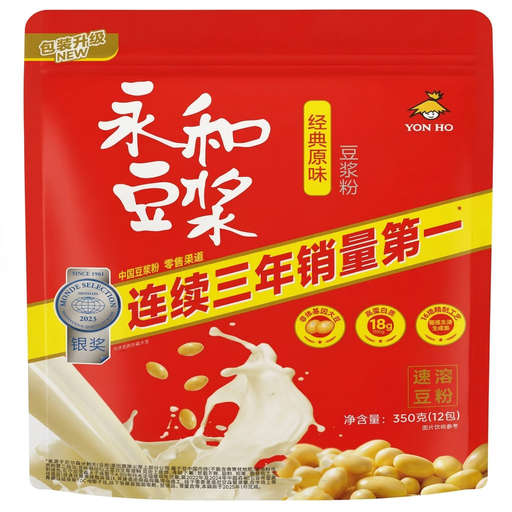
Why it suits this profile: The 350-gram bag is suitable for trying at home and can be prepared with hot or cold water. The original flavour is ideal for anyone who is not looking for a fruit or coffee flavour.
The product information states that it contains 58% soya and 32 grams of sugar per 100 grams. This means you can take the sweetness into account before making your choice.
18 grams of protein per 100 grams; suitable for drinks, smoothies and baking recipes.
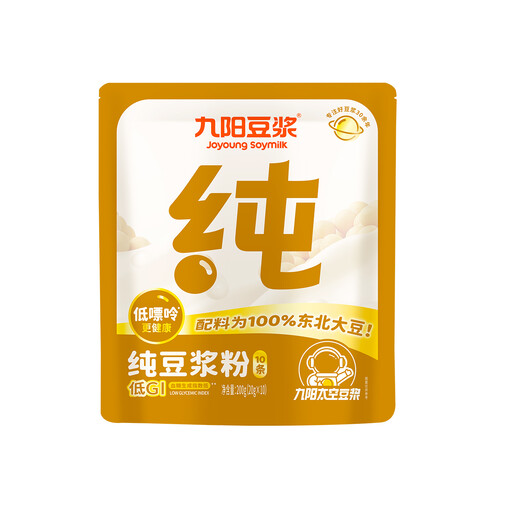
Why it suits this profile: Anyone looking for the shortest possible ingredients list gets a product that, according to the product listing, contains 100% soya. The ten individual sachets are convenient for consistent portions.
The ingredients list contains no sugar, flavourings or preservatives. The nutrition table states 1 gram of sugar per 100 grams.
42 grams of protein per 100 grams; 20-gram portions; mix with approximately 150 ml of warm or hot water.
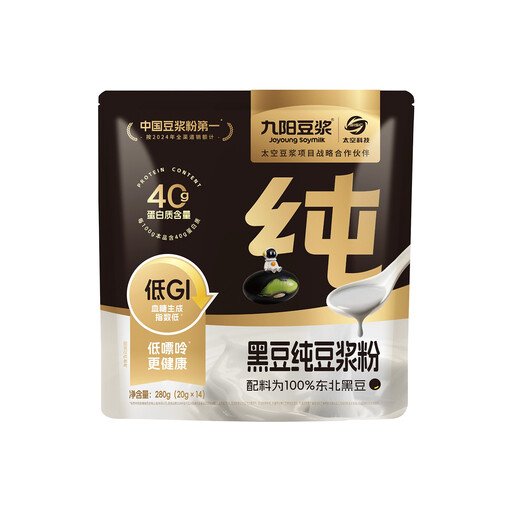
Why it suits this profile: The individual sachets are practical for a daily breakfast, the office or after exercise. According to the product information, the powder consists of 100% black soya beans.
The product listing clearly states the protein content and serving size: 40 grams of protein per 100 grams and 20 grams per sachet.
14 servings; 3 grams of sugar per 100 grams; preparation guidance of 120–150 ml of water.
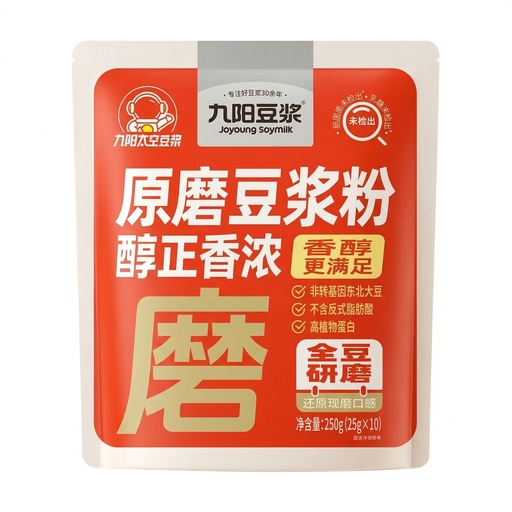
Why it suits this profile: The ten sticks fit easily in a bag or desk drawer. According to the preparation instructions, you can mix them with hot or room-temperature water.
The individual portions mean you do not have to weigh out powder from a large bag while travelling. The product information states that it contains 58% soya.
25 grams per stick; 18 grams of protein per 100 grams; suitable for approximately 160 ml of water.
We have put together a complete, up-to-date list of products that fully meet these strict selection criteria and the applicable European safety regulations.
Store the powder in a dry, cool place away from direct sunlight. Moisture causes the powder to clump. Always check the packaging for the exact shelf life.
Soya milk powder can be used as a plant-based, dairy-free drink when the ingredients list does not mention any milk ingredients. Check the label for blended varieties, as some mixes contain additional ingredients or other allergens.
This varies by brand and packaging. Store an opened bag airtight and in a dry place. Some product listings recommend consuming it within approximately one month; always follow the specific instructions on the packaging.
No. “Unsweetened” or “no added sugar” does not automatically mean that the product contains no sugars. Compare the ingredients list and nutritional values per 100 grams. Also look out for malt syrup, malt syrup and other sweetening ingredients.
