
Livraison le jour même et le lendemain

Qualité garantie

Débloquez vos offres de bienvenue: Livraison GRATUITE | Jusqu'à -80 % | 30 jours d'essai gratuits à JoyPlus
Téléchargez l'application
Soya milk powder is useful when you want to make a plant-based drink quickly without keeping a carton of milk in the fridge. Mix it with hot or cold water to make a soya drink for breakfast, in a smoothie or when baking. However, many packs look more alike than they really are.
A product with “soya” on the front may contain sugar, maltose syrup, flavourings or other ingredients. “No added sugar” also does not automatically mean that the powder contains no sugars. If you only look at the front of the packaging, you could therefore end up buying a less suitable soya drink.
Always check both the ingredients list and the nutrition table. A product may contain no added sucrose but still contain maltose syrup or naturally occurring sugars. For example, YON HO lists 18 grams of sugar per 100 grams of powder for an unsweetened variety. You should therefore compare the claim on the packaging with the full ingredient composition.
Protein is usually listed per 100 grams, while you often use just 20 to 30 grams of powder. A product containing 40 grams of protein per 100 grams provides around 8 grams of protein in a 20-gram serving. Lucovitaal, on the other hand, lists 23 grams of protein per 25-gram serving because this product is made from soya protein isolate rather than a standard soya drink mix.
Not all soya powders dissolve in the same way. Some varieties are intended for water at around 70–80 °C, while others can also be mixed with cold or lukewarm water. Also check the portion packaging, shelf life after opening and recommended amount of water. This helps prevent lumps or a drink that is too thin.
Check how much soya the product actually contains. In the available product information, this ranges from 48% soya content in Soyspring Soybean Drink Powder to 100% soya in various pure soya powders. A higher soya content does not automatically indicate anything about flavour or solubility, but it does help you compare products more objectively.
Also look out for additions such as:
If you are looking for a vegan milk alternative, you should also check that the ingredients do not include any milk components. A soya drink made solely from soya is easier to assess if you prefer a simple ingredient list.
Use the nutritional values per 100 grams as your starting point. Here are some clear differences:
The last option is a high-protein soya powder rather than a traditional soya milk powder mix. Its neutral composition is better suited to shakes, smoothies or baking recipes than to a traditional sweet soya drink.
Check how much powder and water you need. Many products use around 20–30 grams of powder per 150–200 ml of water. A practical method is to add a small amount of warm water first and stir to make a smooth paste. Then gradually add the rest.
Store an opened bag according to the label: usually in a cool, dry place, tightly sealed and away from direct sunlight and moisture. It is best to drink prepared soya drink straight away. Individual sachets are handy when you want to take the powder to the office, on a trip or to the gym.
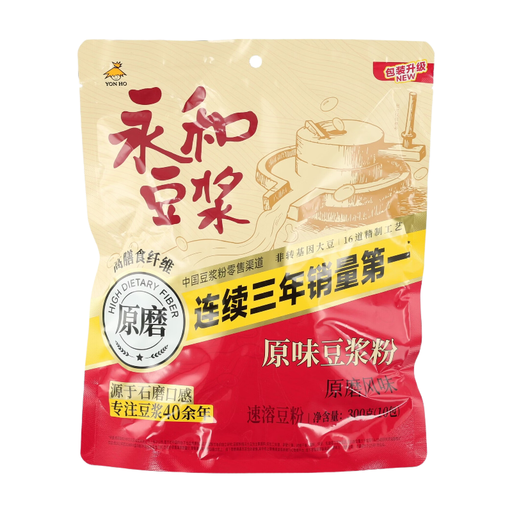
Why it suits this profile: A standard instant soya milk for anyone who wants to try making soya milk without immediately buying a large supply. The mix is suitable for breakfast, baking and hot drinks.
The nutritional information clearly lists 20 grams of sugar and 25 grams of protein per 100 grams. This shows that it is a sweetened drink mix, not an unsweetened soya milk powder.
300 grams of powder; preparation with around 20–30 grams of powder and 200 ml of hot water; suitable for drinks, baking and cooking.
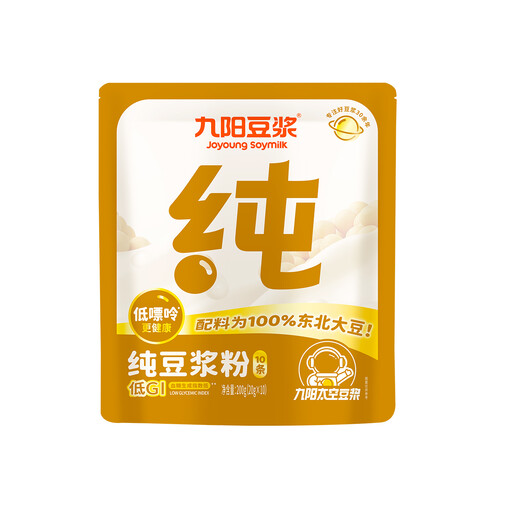
Why it suits this profile: According to the product information, the composition consists of 100% soya. The 20-gram sachets make it easy to measure out a consistent morning serving.
The packaging makes the portions and ingredients easy to understand. With 42 grams of protein and 1 gram of sugar per 100 grams, you can compare the product without relying solely on the marketing copy.
100% soya according to the label; 10 individual sachets; around 150 ml of warm or hot water per serving.
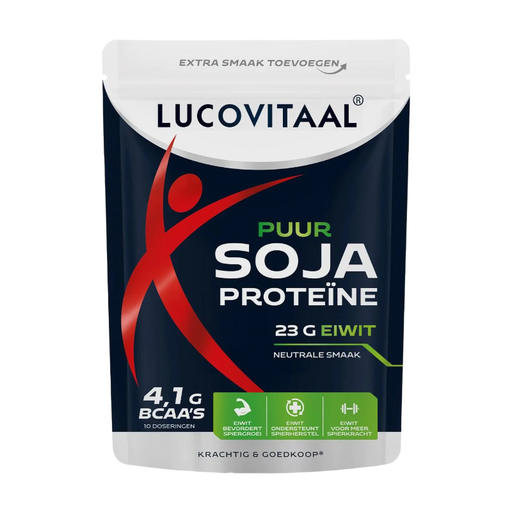
Why it suits this profile: This is a neutral protein powder for sportspeople and active adults who want to add extra plant-based protein to a shake, smoothie or baking recipe.
The label states 100% soya protein isolate, 0 grams of sugar and 23 grams of protein per 25-gram serving. You are therefore buying it for its protein content, not as a traditional sweet soya drink.
92 grams of protein per 100 grams; neutral flavour; according to the product information, free from added colourings, flavourings, sugars and lactose.
We have put together a complete, up-to-date list of products that fully meet these strict selection criteria and the applicable European safety regulations.
For a smooth drink, first add a small amount of water to the powder. Stir until it forms a paste, then gradually add the rest. For many varieties, the recommended ratio is around 20–30 grams of powder per 150–200 ml of water. Adjust the amount if you prefer a thicker drink.
You can also use soya milk powder for:
When using unsweetened soya milk powder with no added sugar, always check that you enjoy the flavour. Pure soya usually has a more pronounced bean flavour than a mix containing maltose syrup or sugar.
A soya-based product naturally contains no lactose. However, always check the current ingredients list and allergen information on the packaging. Soya itself is an allergen and is clearly listed for the products mentioned.
This varies from one product to another. Store the powder in a cool, dry, airtight place away from moisture and direct sunlight. Some packaging recommends using the product within 30 days of opening. Always follow the specific instructions on the label.
That depends on the purchase price, serving size and amount of water you use. Powder can save storage space and reduce waste, but sachets can sometimes cost more per serving than a larger bag. Compare the price per prepared litre or per serving rather than looking only at the pack weight.
