
当日/次日达

品质保障

开启新人专享福利: 全场免邮 | 低至 2 折 | 免费试用 30 天 JoyPlus 会员
下载 Joybuy
Author: Joybuy Product Recommendation Officer
Soy milk powder is handy for breakfast, at the office or on the go. With hot water you can quickly make a plant-based drink, without having to store a carton of chilled milk. Yet many products look similar. The difference often lies in the ingredients list, the sugar content and the serving size.
If you only look at words like “natural”, “protein” or “no added sugar”, you could end up buying a product that doesn’t suit your daily needs. Below are the key points to check, along with some product recommendations based on verifiable specifications.
With unsweetened soy milk powder or soy milk powder with no added sugar, you should always check the full ingredients list. A product may contain no added crystalline sugar, but it could still contain maltose syrup. Natural sugars are also listed in the nutritional information table.
So compare:
For example, YON HO Unsweetened Soy Milk Powder lists soybeans and malt syrup in its product information. The nutritional values show 18 grams of sugars per 100 grams. “No added sugar” should therefore not be read as “sugar-free”.
The protein content is usually shown per 100 grams of powder. The amount per cup depends on how much powder you use. A product with 40 grams of protein per 100 grams will provide around 8 grams of protein per 20-gram serving, before preparation.
Also pay attention to the base:
According to the product information, Joyoung Pure Soy Milk Powder contains 100% soy and 42 grams of protein per 100 grams. That makes it a targeted choice for buyers who want a short ingredients list, but the flavour is likely to be less sweet than an instant soy milk with sugar or syrup.
Soy milk powder in sachets is easy to take to work, school or the gym. You don’t need to use a measuring scoop and the packaging stays sealed for longer. On the other hand, individual sticks use more packaging material and can be more expensive per gram than a larger bag.
So check:
A 250-gram pack with ten 25-gram sticks is not the same as a 350-gram bag, even if the packaging looks similar.
Soy is an allergen and must be clearly stated on the label. Some blends also contain milky flavours, sesame, oats, barley or chickpeas. If you eat a vegan diet or avoid certain ingredients, check the full label and not just the front.
For a pure soy milk powder, choose a product where soy is listed as the only ingredient. With flavoured varieties, such as soy milk powder matcha or soy milk powder rose, sugar, syrup, flavourings or other additions are also part of the recipe.
Use the table per 100 grams to compare products fairly. Don’t just look at “high protein” on the packaging. A product with lots of carbohydrates and sugar will have a different taste and use than an unsweetened variety.
A practical breakdown:
The recommended temperature varies by product. Some types are designed for water at 70–80 °C, while cold-brew varieties can be mixed with cold or lukewarm water. Follow the instructions on the packaging to minimise lumps.
A handy method for powder that doesn’t dissolve easily:
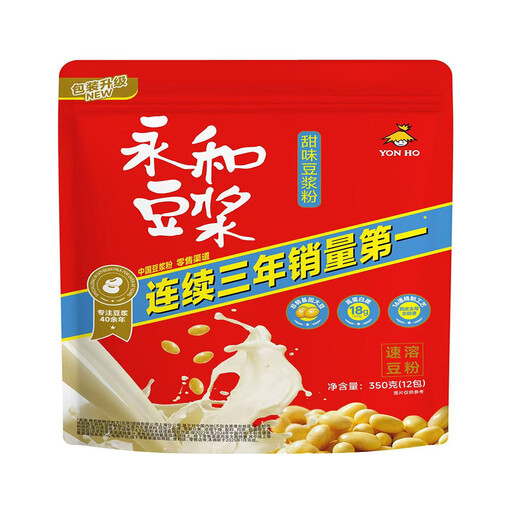
Why this fits the profile: The twelve individual sachets are easy to portion and take with you. Preparation uses around 200 ml of hot water per sachet.
The ingredients and nutritional values are clearly stated: soybeans, maltose syrup and white sugar, with 18 g of protein and 4 g of sugars per 100 g.
350 g total weight, 12 servings and a classic sweet flavour. Contains soy as an allergen.
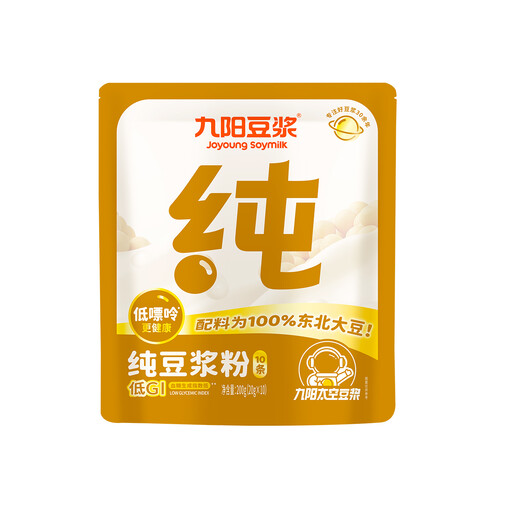
Why this fits the profile: According to the product information, this variety contains only soy and is packed in 20-gram portions for a fixed serving size.
The ingredients list is short: soybeans 100%. There are no sugar, flavourings or preservatives in the product description.
20 sachets of 20 g, 42 g of protein and 1 g of sugars per 100 g according to the label. The flavour is unsweetened.
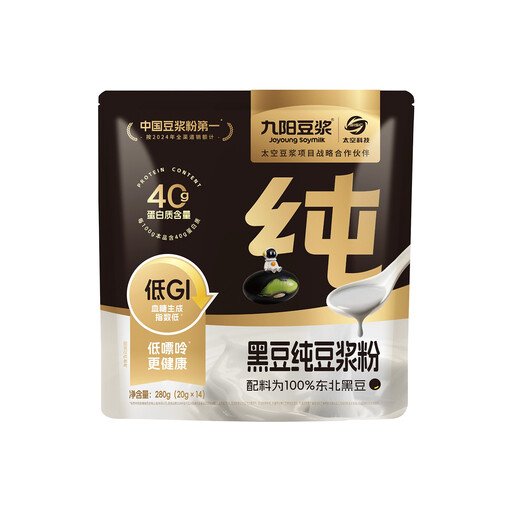
Why this fits the profile: Fourteen individual portions suit regular use at home, in the office or after a workout. Preparation requires around 120–150 ml of warm water.
The product information lists black soybeans as the only ingredient. This makes it clear that it is not a sweetened soy drink powder with added syrup.
280 g total, 14 sachets and 40 g of protein per 100 g. Contains soy and has a distinct soy flavour.
We have put together a full, up-to-date list of products that fully meet these strict selection criteria and comply with current European safety regulations.
Most varieties are mixed with 120 to 200 ml of water. Use the temperature and dosage stated on the packaging. Adding a small amount of water first and then topping up helps prevent lumps. Cold-brew soy milk powder is designed for cold or room-temperature water.
Store the powder in a cool, dry place away from direct sunlight. Seal an opened bag tightly and follow the best-before date on the packaging. Some product information advises using an opened pack within around thirty days. Individual sachets remain sealed until you open them.
That depends on the price per kilogram, the serving size and the amount of water you use. Always compare the net weight and the number of prepared servings. Powder can be practical because it is lightweight and has a long shelf life, but individual sachets can increase the price per serving.
