
Vandaag of morgen in huis

Kwaliteit gegarandeerd

Welkomstaanbiedingen ontgrendelen: GRATIS bezorging | Tot 80% korting | Gratis 30 dagen JoyPlus-proefperiode
Download de app
Soy milk powder is handy for breakfast, the office, travel or a quick plant-based protein drink. You simply add water and decide whether to enjoy it hot or cold. Yet many packs look very similar. A sweet taste, terms like “pure” and convenient sachets don’t automatically mean a product will suit your preferences.
The main pitfalls are easy to spot:
First, look at the ingredients list, then at the nutrition table. With soy milk powder that has no added sugar, the ingredients list might only mention soya beans. According to the product information, Joyoung No Added Sugar Soybean Powder lists soya beans as the ingredient and contains 40g of protein and 6g of sugars per 100g.
Pay attention to the difference with products that list maltose syrup, sugar or fructose. For example, Joyoung Strawberry Soy Milk Powder contains soya bean powder, maltose syrup, crystalline fructose, strawberry powder and freeze-dried strawberry pieces. The nutrition information shows 27.3g of sugars per 100g.
A sweeter instant soy milk can be enjoyable if you’re choosing mainly for taste. If you want to limit your sugar intake, it’s better to compare the values per serving rather than just looking at the front of the pack.
The stated soya content gives you an initial idea of the composition, but also compare the preparation instructions. Products with 100% soya beans differ in use from soya drink powder with, for example, 48%, 50%, 54% or 58% soya.
A serving of 20 to 30g will naturally provide less protein than the value per 100g. According to the product information, YONHO Pure Soy Milk Powder states 40g of protein per 100g. Joyoung Black Soybean Pure Soy Milk Powder also states 40g per 100g and comes in 20g sachets. That works out at roughly 8g of protein per sachet, based on the stated nutritional values.
Check how much water is needed and what temperature is recommended. Examples from the range:
Individual sachets are practical for a bag, desk drawer or breakfast on the go. A larger bag can be more economical for daily use, but needs to be sealed properly and protected from moisture. All the soya products mentioned contain soya as an allergen. Varieties with oats, barley or milk derivatives may also contain other allergens.
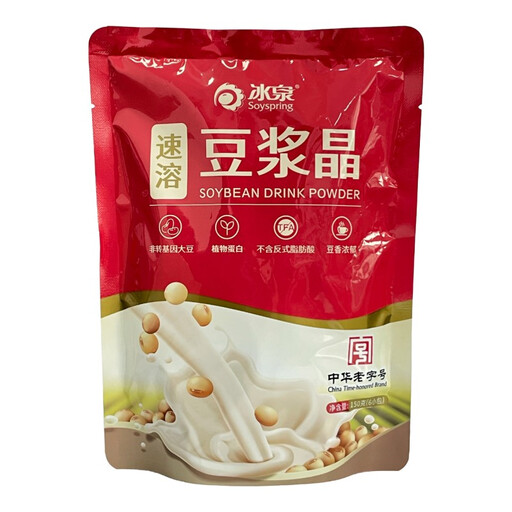
Why this suits the profile: The pack contains six individual sachets. That’s easy to manage if you want to try soy milk powder for the first time or use it both at home and in the office.
The preparation instructions state 150–200ml of hot water, and according to the description the product can also be drunk cold. The nutrition information mentions 2.3g of sugars per 100g; check the actual pack for the per-serving value.
48% soya according to the product information, six serving sachets and a preparation amount of 150–200ml of water.
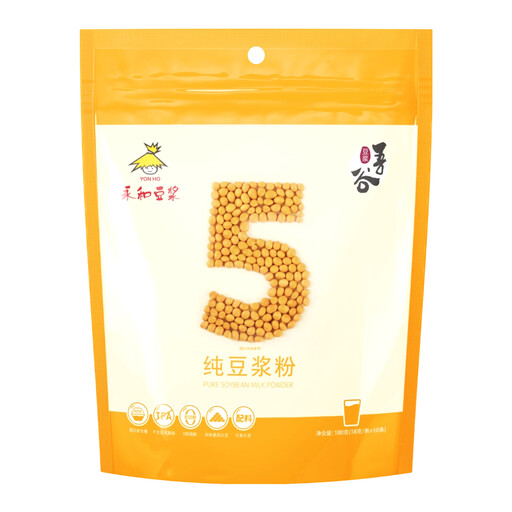
Why this suits the profile: If you’re after a short ingredients list and a pronounced soya flavour, according to the product description this powder is made from soya beans.
The product information lists soya beans as the ingredient. Do check the label, though, because “pure” doesn’t automatically mean the product contains no naturally occurring sugars.
40g of protein per 100g according to the product information and a 180g pack.
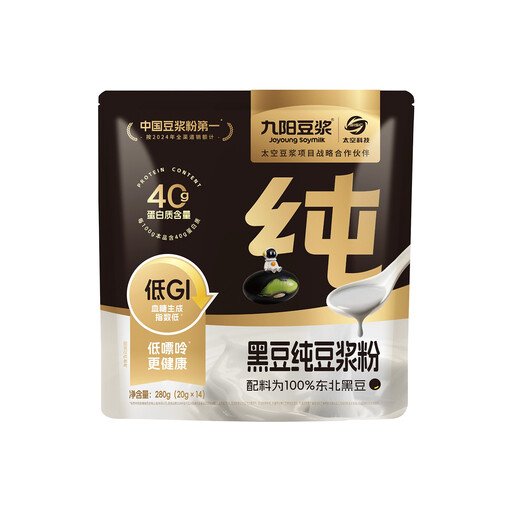
Why this suits the profile: The 14 individual 20g sachets are ideal for regular drink times, a sports bag, the office or travel.
According to the product information, the ingredients list states 100% black soya beans, with no sugar or flavourings. It’s still important to check the soya allergen label.
40g of protein per 100g according to the product information, 20g servings and around 120–150ml of warm water per sachet.
We’ve put together a full, up-to-date list of products that fully meet these strict selection criteria and comply with current European safety regulations.
With a traditional soya powder, first use a small amount of water to make a smooth paste. Then gradually add the rest while stirring. For a cold preparation, a shaker can help. According to the product information, a small amount of sediment is normal with some products.
Use the powder immediately after preparation. Store an opened pack in a dry, cool place and seal it tightly. The shelf life varies by product, so check the date on the pack.
No, not necessarily. “No added sugar” means that no extra sugar has been added to the product according to the product information. Soya beans or other ingredients may still contain sugars. Always check the nutritional values per 100g and per serving.
That depends on the brand and the packaging. Seal a larger bag immediately after use and keep it away from moisture. Some product information advises consuming it within one month of opening; always follow the instructions on the actual label.
Only if the product information says so. Cold brew varieties such as Soyspring Cold Brew Soy Milk Powder and Ice Spring Matcha Cold Brew Soy Milk Powder are designed for cold or room-temperature water. Other varieties dissolve better with warm water.
