
Vandaag of morgen in huis

Kwaliteit gegarandeerd

Welkomstaanbiedingen ontgrendelen: GRATIS bezorging | Tot 80% korting | Gratis 30 dagen JoyPlus-proefperiode
Download de app
A plant-based alternative to cow’s milk doesn’t have to be complicated. With soy milk powder, you can quickly make a warm drink for breakfast, a base for smoothies, or an ingredient for baking. However, products vary widely in composition, flavour and ease of use. The packaging might say “pure”, “no added sugar” or “high in protein”, while the nutritional information and ingredients list often tell a more nuanced story.
As a Joybuy Product Recommendation Officer, I filter the key information from product descriptions so you can compare marketing claims with verifiable specifications.
With unsweetened soy milk powder, it’s important to check both the ingredients and the nutritional information table. “No added sugar” means that, according to the product information, no extra sucrose has been added. However, a product may still contain maltose syrup, maltodextrin or naturally occurring sugars.
For example, YON HO Unsweetened Soy Milk Powder lists soya beans and maltose syrup in its product information. The table shows 18 grams of sugar per 100 grams of powder. That makes it quite different from a pure soy milk powder made with only soya beans.
Nutritional values are usually given per 100 grams of powder. But you’ll be drinking a prepared portion mixed with water. So always check the recommended amount of powder and the quantity of water. Joyoung Pure Soy Milk Powder, for instance, lists 40 grams of protein per 100 grams of powder, while a 20-gram sachet contains a much smaller total amount.
So compare products per serving when you’re looking for soy milk for sport, breakfast or everyday use. Also look at added ingredients such as sugar, maltose syrup, oil, calcium or vitamins.
Soy milk sachets are practical for the office, travel or a quick preparation without a measuring spoon. However, a pack of individual portions can use more packaging material and work out more expensive per gram than a 300 or 350-gram bag. If you use it regularly, calculate the price per 100 grams or per prepared cup.
Also pay attention to the shelf life after opening. Powder easily absorbs moisture. A resealable bag or an airtight storage container helps prevent lumps and loss of flavour.
For pure soy milk powder, look for a short ingredients list. Joyoung Pure Soy Milk Powder 280g lists soya beans as an ingredient and no added sugar, according to the product description. Yonho Pure Soy Milk Powder 180g is also described as a product with 100% soya beans.
Other varieties may contain maltose syrup, white sugar, stabilisers or flavourings. That’s not necessarily a problem, but it does affect the taste and nutritional value. A sweetened variety can taste more accessible, while a pure variety is better suited to smoothies, savoury recipes or controlling your own dosage.
The percentage of soya beans gives a useful point of comparison, but it doesn’t replace the nutritional information table. The range includes varieties with 50%, 54%, 58% or 100% soya beans. Also check the protein content per 100 grams and convert it to the serving you actually prepare.
If you mainly use soy milk as a vegan milk alternative for coffee or breakfast cereals, you might care more about taste and solubility. For athletes or a protein-rich breakfast, the per-serving value is more relevant.
Preparation instructions vary by brand. Many products recommend around 150 to 200 millilitres of water per 20 to 30 grams of powder. Start with a small amount of warm water and stir to a smooth paste first. Then add the rest. This reduces the chance of lumps.
Use the temperature stated on the packaging. Some varieties recommend water at around 70 to 80 °C, while others can be prepared with lukewarm or room-temperature water. A product for cold preparation is handy in smoothies or on the go, but check whether sediment is normal according to the product information.
Check the allergens on all varieties. Soya is an allergen and is usually clearly stated. “Soy milk without milk” also doesn’t mean the product is free from all allergens; always read the full packaging.
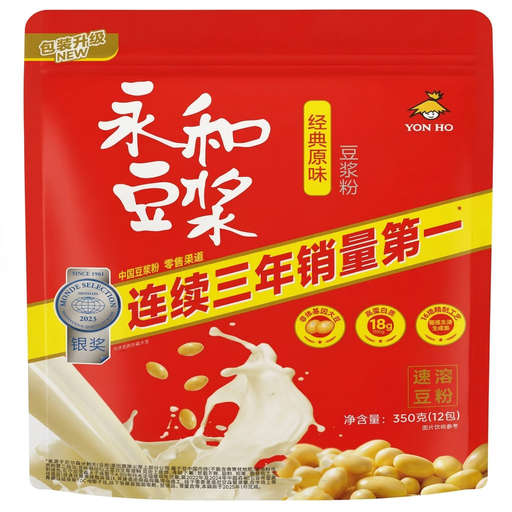
Why this fits the profile: The 350-gram pack is suitable for anyone who regularly makes soy milk at home for breakfast, coffee or smoothies. The product information states 58% soya beans and a classic flavour.
The product description mentions the soya content and ingredients. Do check the actual packaging before purchase, as this variety also contains maltose syrup and sugar according to the information.
350 grams; suitable for hot and cold preparation; can be used in drinks, smoothies and baking recipes.
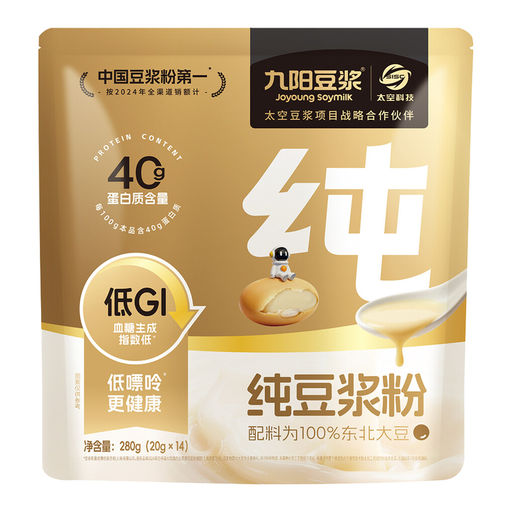
Why this fits the profile: If you’re looking for a short ingredients list, this one lists soya beans as the ingredient according to the product information. It’s designed for preparation with hot water and everyday use.
The description distinguishes between pure soya beans and sweetened varieties. Compare the nutritional values per serving before using it as a regular breakfast choice.
No added sugar according to the product information; 280 grams; 40 grams of protein per 100 grams of powder.
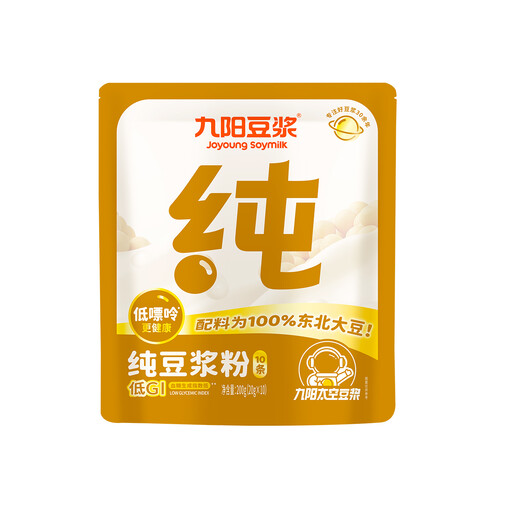
Why this fits the profile: Individual sachets are ideal for commuting, the office, travel and a fixed breakfast after exercise. Each portion is pre-measured.
The portions reduce waste and lower the chance of a large opened bag absorbing moisture. The sachets are individually wrapped though.
10 portions of 20 grams; 100% soya according to the product information; 42 grams of protein per 100 grams.
We’ve put together a full, up-to-date list of products that fully meet these strict selection criteria and comply with current European safety regulations.
Soy drink powder is compact, has a long shelf life and is easy to portion. It suits kitchens where you don’t want to keep an open carton in the fridge all the time. You can adjust the thickness by using more or less water.
Ready-to-drink varieties are quicker. Vitasoy Original Soy Milk comes as 6 packs of 250 millilitres and can be drunk straight away. According to the product information, this variety contains sugar. The Vitasoy Soya Bean Milk with Less Sugar variety states 2% sugar and is aimed at those who prefer a less sweet taste. Both products need to be refrigerated after opening and consumed within 24 hours.
For fans of a Chinese soy milk for breakfast, traditional brands like YON HO and Joyoung can also be interesting. Pay attention to the preparation method, sweetness and soya content rather than just the front of the packaging.
Use the amount stated on the label, usually 20 to 30 grams of powder. First mix with a little warm water to form a smooth paste. Then gradually add the rest of the water and stir well. The recommended temperature per product is usually between around 60 and 85 °C.
This varies by product. Store the powder according to the packaging in a cool, dry place, out of direct sunlight and protected from moisture. Seal the bag tightly. Some product descriptions recommend using it within 30 days or within one month of opening.
That depends on the price, the portion size and the amount of water used per preparation. Compare the price per 100 grams of powder and per prepared cup. Sachets offer extra convenience, while a larger pack is often more practical for everyday home use.
