
Vandaag of morgen in huis

Kwaliteit gegarandeerd

Welkomstaanbiedingen ontgrendelen: GRATIS bezorging | Tot 80% korting | Gratis 30 dagen JoyPlus-proefperiode
Download de app
Sesame oil can add extra aroma to a dish with just a few drops. However, not every bottle is suitable for the same purpose. Toasted sesame oil for noodles works differently from a mild blend for everyday cooking. Terms such as “cold-pressed”, “pure” and “authentic” do not always tell the whole story either.
Anyone who buys a bottle without checking the label is most likely to encounter these pitfalls:
Look for the proportion of sesame oil to other oils. Pure sesame oil will generally list only sesame oil or 100% sesame. A blend may have a lighter flavour and be more practical for everyday cooking, but it is not the same as a pure variety.
A clear example is SONOKO Blended Sesame Oil: according to the product information, it consists of 30% sesame oil and 70% soya oil. Lee Kum Kee Mixed Sesame Oil 1.75L is described as a combination of sesame oil and refined vegetable oil. Check the allergen information for both products, as soya may be relevant to some households.
Toasted sesame oil usually has a pronounced nutty aroma. This variety is often used as sesame oil for dressings, noodles, soups and dumplings, or as a final flavour accent on a stir-fry. Just a few drops may be enough.
A milder or untoasted variety may be a better choice if you are looking for a more subtle flavour. Names such as Asian sesame oil, Korean sesame oil and Chinese sesame oil often refer to culinary traditions and flavour styles, but are not, in themselves, uniform quality standards. Always check the ingredients, production method and usage instructions.
Labels may include terms such as cold-pressed sesame oil, “first cold pressing” and “toasted and pressed”. These terms can indicate something about the production method and expected aroma, but they do not automatically determine whether an oil is suitable for high temperatures.
For wok cooking, stir-frying and deep-frying, follow the instructions on the packaging. According to their product information, Chuanlaohui Pure Sesame Oil 320ml and Cuizipai Black Sesame Oil 218ml are primarily recommended as finishing oils and not for high temperatures. SONOKO and Lee Kum Kee Mixed Sesame Oil, on the other hand, are described as suitable for everyday cooking and stir-frying. This distinction is more important than simply seeing the words “pure” or “premium” on the front of the bottle.
A 150 to 250 ml bottle is practical if you mainly use sesame oil as a flavouring. You are less likely to leave the bottle open for a long time before finishing it. For a household that often cooks Korean, Chinese or Japanese food, a larger pack may make more sense.
Store sesame oil:
Some products recommend refrigeration after opening. According to Lu Hua’s product information, cloudiness or flaking may occur at low temperatures; if in doubt, always check the packaging. Also pay attention to the best-before date and any information about use after opening.
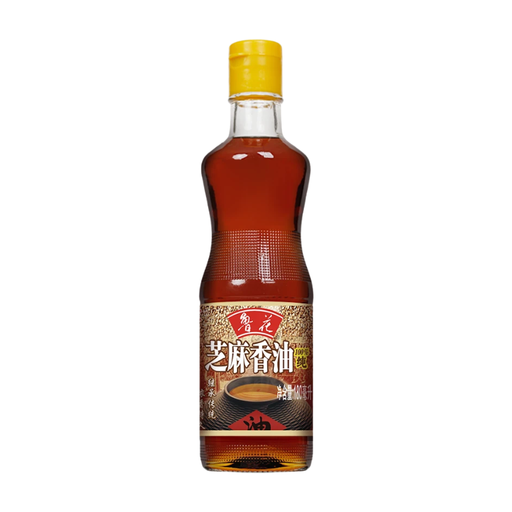
Why it suits this profile: The 180 ml bottle is a manageable choice for anyone trying Chinese sesame oil for the first time and mainly looking to finish dressings, soups or dips.
The product information states that it contains pure pressed sesame oil and clearly indicates that it is suitable as a dressing and finishing oil. This makes its intended use clear.
100% sesame as the ingredient according to the product listing; 180 ml and suitable for dressings, soups and dipping sauces.
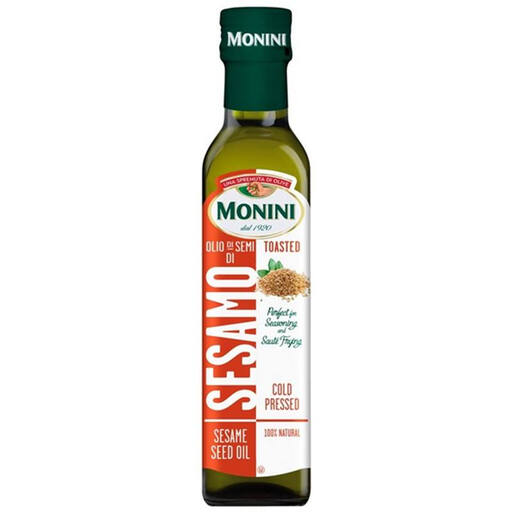
Why it suits this profile: According to the product description, this is unrefined oil made from toasted sesame and obtained through first cold pressing, intended for cold preparations.
The product information clearly explains the production method and recommended use. It is therefore best used cold; check the current packaging for further instructions.
250 ml; 100% sesame oil according to the ingredients list; suitable for salads, starters and main courses.
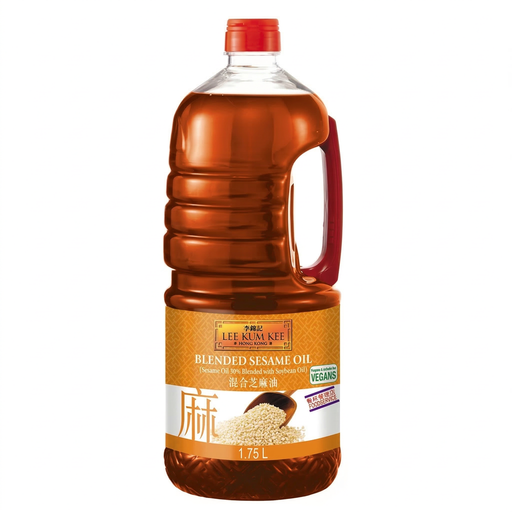
Why it suits this profile: The large bottle is aimed at households, high-volume users and professional kitchens that regularly stir-fry, stew, marinate and prepare soups.
It is clearly labelled as blended sesame oil. This means you will not buy a pure variety believing it contains just one ingredient. After opening, refrigeration and use within three months are specified.
1.75 litres; according to the product information, suitable for cold dishes, stir-frying, stewing and soups; practical for regular use.
We have put together a complete, up-to-date list of products that fully meet these strict selection criteria and the applicable European safety regulations.
That depends on the product. Pure toasted sesame oil is often used as a flavouring and may be unsuitable for high temperatures. Always check the usage guidance on the bottle. According to the product description, a blended variety may be intended for stir-frying, but you should still follow the current labelling.
Shelf life varies by brand, packaging and storage method. Seal the bottle tightly and store it somewhere cool, dry and away from light. Look out for changes in smell, flavour or appearance, and follow the date and instructions on the packaging. If you have allergies, it is particularly important to check cross-contamination and storage guidance.
According to the ingredients list, pure sesame oil contains only sesame oil. Blended sesame oil also contains another vegetable oil. Pure oil generally has a more pronounced sesame aroma, while a blend may be designed for everyday use and a milder flavour. Always check the ingredients and allergens before placing your order.
