
Vandaag of morgen in huis

Kwaliteit gegarandeerd

Welkomstaanbiedingen ontgrendelen: GRATIS bezorging | Tot 80% korting | Gratis 30 dagen JoyPlus-proefperiode
Download de app
A bottle of sesame oil might look simple, but the difference between a mild cooking oil, a toasted seasoning and black sesame oil is immediately noticeable in a dish. Home cooks use sesame oil for dressings, noodles and soups, while fans of Chinese and Korean cuisine often look for an aromatic finishing oil.
However, the product name doesn't tell you everything. Pay close attention to the ingredients, the production process, the volume and the recommended use. This way, you can avoid buying a large bottle you barely use, or choosing a subtle oil for a dish that actually needs a toasted flavour.
Pure sesame oil primarily means that sesame oil is the only ingredient. It doesn't automatically tell you whether the oil is mild, toasted, light or intense in flavour. So, check whether it's made from toasted sesame seeds, black sesame, or a blend with other oils.
For example: Lee Kum Kee Pure Sesame Oil 410ml and Chuanlaohui Pure Sesame Oil 320ml are described as being made from 100% sesame oil. The Chuanlaohui variant also explicitly states that the oil is made from toasted sesame seeds.
Many toasted sesame oils are intended as a seasoning, not as a primary frying or wok oil. Because of their strong aroma, you usually only add a few drops, just before serving. At high temperatures, the aroma can dissipate more quickly, and the oil may be less suitable for cooking.
For stir-frying, you might use a neutral oil and add the sesame oil at the end. Always check the usage instructions on the label. Chuanlaohui, for instance, states that the oil is not suitable for deep-frying or high-temperature cooking.
A 448 ml bottle might seem good value, but an aromatic oil is often used by the teaspoon or in a few drops. For occasional use, 150 to 227 ml can be more practical. If you make noodles, soups, marinades or dressings several times a week, then 320 to 448 ml could be beneficial.
Also pay attention to the storage instructions. Sesame oil should generally be stored tightly sealed, in a cool, dark place. Some products recommend refrigeration after opening. The information on the packaging is what you should follow.
Check whether it states:
A product with 50% sesame oil and soya oil, such as Lee Kum Kee Premium Sesame Oil 207ml, has a different flavour and usage profile than an oil with 100% sesame. That's not necessarily unsuitable, but it is important when you're specifically looking for pure sesame oil. If you have allergies, always read the current packaging and allergen information.
Toasted sesame oil usually has a distinct nutty aroma and works well with Korean and Chinese dishes. Think of bibimbap, dumplings, ramen, wonton soup, stir-fried vegetables and noodles.
Black sesame oil is made from black sesame seeds and, according to product descriptions, often has a deeper colour and more intense fragrance. This oil works well as a finishing oil for soup, cold dishes, noodles and dipping sauces.
A light or less pronounced oil can be more convenient for salad dressings and marinades where other ingredients take centre stage.
Don't just look at millilitres, but also at your cooking routine:
The nutritional value of sesame oil consists almost entirely of fat, as with other edible oils. So, use the oil purposefully as a seasoning. The recommended amount depends on the recipe and your personal preference.
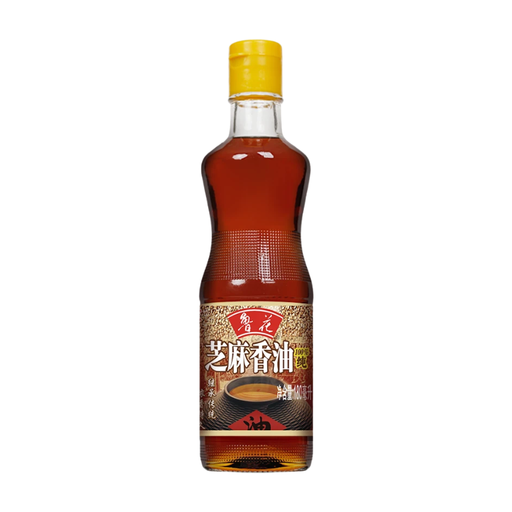
Why this fits the profile: The 180 ml bottle is manageable for anyone wanting to try sesame oil first in dressings, soups and dipping sauces. According to the product description, the oil is made from pure pressed sesame seeds.
The volume reduces the risk of an unused large stock. The ingredients list states SESAME as an ingredient, and the label provides the allergen information.
180 ml volume; according to the product information, suitable for cold dishes, soups, dipping sauces and finishing.
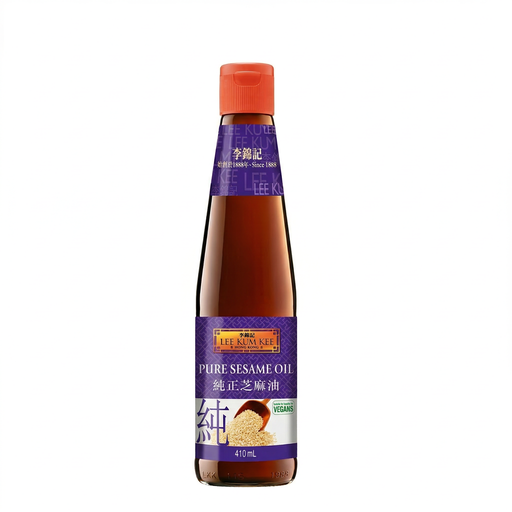
Why this fits the profile: This larger bottle suits home cooks and professionals who often cook with a powerful Chinese sesame flavour. According to the product information, the oil is made from 100% toasted sesame seeds.
The composition is clearly stated, so you don't buy a blend when you mean 100% pure sesame oil.
410 ml volume; 100% pure sesame oil according to the label; suitable as a seasoning in various dishes.
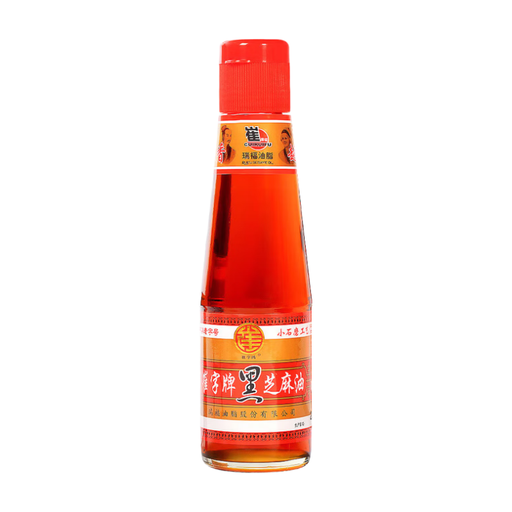
Why this fits the profile: The combination of black sesame, 448 ml volume and use as a finishing oil suits frequent makers of noodles, soups, cold dishes and Asian dressings.
The product information explicitly mentions use as a finishing oil and not as an oil for high temperatures. This prevents misuse of an aromatic oil.
100% black sesame according to the product description; large bottle; suitable for soups, noodles, salads and cold dishes.
We've put together a full, up-to-date list of products that fully meet these strict selection criteria and current European safety regulations.
Store an opened bottle of sesame oil tightly sealed in a cool, dark place. Avoid direct sunlight and heat sources. If the label recommends refrigeration after opening, follow that instruction.
Use sesame oil as a seasoning:
First, taste with a few drops. Toasted and black sesame oil can quickly dominate a dish.
That depends on the product. Some labels mention cooking or stir-frying as a possibility, while other variants are explicitly intended as a finishing oil. Toasted sesame oil is often only added at the end. So, always check the usage instructions, and if in doubt, use an oil intended for high temperatures.
Toasted sesame oil is made from toasted sesame seeds according to the product description and usually has a distinct nutty aroma. A product that only says "sesame oil" may be milder. Look at the ingredients and preparation method on the label rather than just the product name.
The shelf life varies by product and is stated on the packaging. Close the bottle immediately after use and store it in a cool, dry, dark place. For some black sesame oils and other aromatic varieties, it is recommended to refrigerate after opening and use the oil promptly. The current packaging remains the definitive guide.
