
Vandaag of morgen in huis

Kwaliteit gegarandeerd

Welkomstaanbiedingen ontgrendelen: GRATIS bezorging | Tot 80% korting | Gratis 30 dagen JoyPlus-proefperiode
Download de app
If you want to elevate your Asian dishes, sesame oil is an indispensable ingredient. But when you look online or in-store, the selection can be overwhelming. Pure or blended? Toasted or black? And which bottle is right for your favourite stir-fry, and which is best for a sophisticated dressing?
This guide is designed to help you make an informed choice. We'll explain the differences and provide specific recommendations based on product specifications, so you'll know exactly which sesame oil to buy for your kitchen.
Before making a choice, it's helpful to consider three key factors. These will determine the flavour, use, and suitability for your dishes.
The choice between pure and blended depends entirely on its intended use.
The colour of the oil says a lot about its flavour.
Sesame oil can lose its potent aroma over time, especially after opening. If you only use it occasionally as a finishing touch, choose a smaller bottle to ensure freshness. Are you an avid home cook, a small restaurant owner, or a caterer? Then a bulk size of sesame oil can be a smart, economical choice.
Based on the criteria above, we have selected three different types of sesame oil, each with its own unique properties and applications.
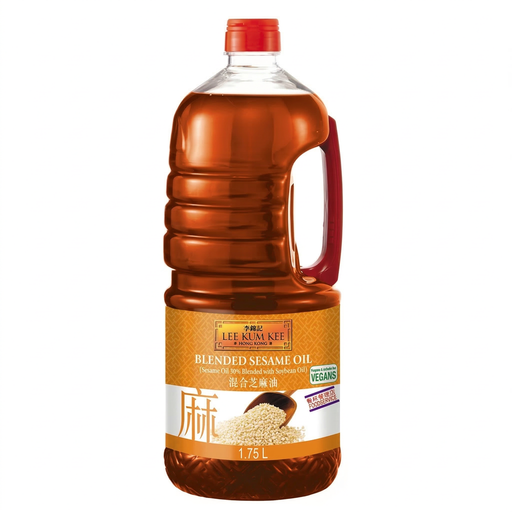
Why it stands out: This is a versatile and economical choice. The blend of sesame oil and vegetable oil creates a product that has a rich aroma while remaining stable at higher temperatures, making it ideal for various cooking styles.
Pros:
Who is it for?: For the home cook who regularly prepares Asian cuisine or for small restaurants looking for a reliable all-rounder. If you stir-fry often, this is an excellent option.
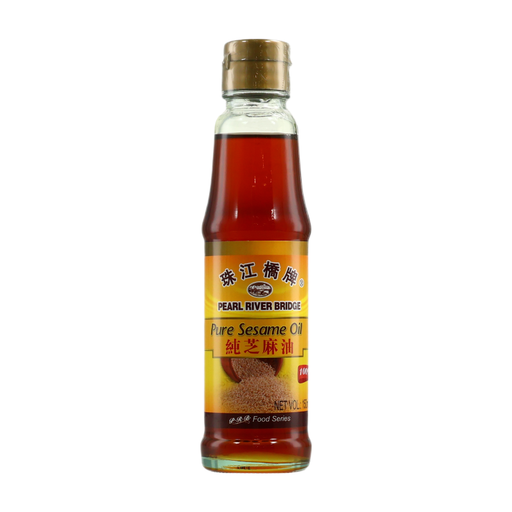
Why it stands out: This oil is 100% pure sesame oil, cold-pressed from toasted white sesame seeds. It is intended purely as a flavouring agent to add an authentic, nutty aroma and taste to dishes.
Pros:
Who is it for?: For the purist and the foodie looking for a powerful, authentic flavouring. Perfect for adding a few drops at the last minute to soups, noodles, marinades, and dipping sauces.

Why it stands out: This black sesame oil is a speciality product, made from 100% pure black sesame seeds. According to the Cuizi brand, the oil is pressed using traditional stone-milling techniques, resulting in a deep and authentic flavour.
Pros:
Who is it for?: For the adventurous cook who wants to experiment with the complex flavours of Chinese and Korean cuisine. An excellent choice for broadening your culinary horizons.
The world of edible oils is vast and diverse. Besides sesame oil, are you also looking for other varieties like peanut oil, rapeseed oil, or a specific oil for deep-frying? Then check out our full range of seed oils for more options.
Dark sesame oil, also known as toasted sesame oil, is made from roasted seeds. This gives the oil its characteristic nutty and robust flavour, making it ideal as a finishing oil. Light sesame oil is pressed from unroasted seeds, is milder in flavour, and has a higher smoke point, making it more suitable for cooking. Most Asian sesame oil mentioned in recipes refers to the dark, toasted variety.
That depends on the type. Pure sesame oil has a relatively low smoke point and can burn quickly, which creates a bitter taste. It's better to add it at the end of the cooking process. A blended sesame oil, like the one from Lee Kum Kee, is specially formulated with oils that have a higher smoke point, making it a better choice as a sesame oil for stir-frying.
Store sesame oil in a cool, dark place, like a kitchen cupboard, away from direct sunlight and heat sources. After opening, it's important to seal the bottle tightly to preserve its flavour and freshness. Some manufacturers recommend refrigerating the oil after opening; always check the label on the packaging for specific instructions.
