
Vandaag of morgen in huis

Kwaliteit gegarandeerd

Welkomstaanbiedingen ontgrendelen: GRATIS bezorging | Tot 80% korting | Gratis 30 dagen JoyPlus-proefperiode
Download de app
A few drops of sesame oil can add extra aroma to a dish. However, not every bottle is suitable for the same purpose. Some varieties are intended as a finishing oil, while others contain a blend with soya oil. Sesame seeds, meanwhile, are a separate product for toppings, dough and dressings.
If you want to buy sesame oil online, it is therefore worth looking beyond the colour of the bottle or words such as “traditional” and “premium”. The ingredients list, type of sesame seed and recommended use provide much more useful guidance.
A product may have sesame oil in its name while still consisting of several oils. Always check the ingredients. A pure sesame oil may, for example, state “sesame seeds 100%” or “100% pure sesame oil”. In a blend, the proportion is stated explicitly.
According to the product information, Lee Kum Kee Premium Sesame Oil contains 50% sesame oil and soya oil. That does not automatically make it unsuitable, but it is a different choice from pure sesame oil. Also check the allergen sesame and, in the case of a blend, possibly soya.
The powerful aroma of toasted sesame oil usually comes into its own most clearly at the end of cooking. Several product labels state that the oil is intended as a finishing oil and not for deep-frying or prolonged cooking at high temperatures.
For example, use sesame oil in:
For cooking at high temperatures, an oil designed for that purpose is more practical. Add sesame oil afterwards for extra aroma.
A dark colour does not automatically mean that an oil is better suited to your dish. Black sesame oil generally has a pronounced, nutty profile. White sesame oil may taste milder. The final flavour also depends on the roasting process, pressing method and quantity used.
Also consider the volume. A 160 to 227 ml bottle is handy if you only use the oil occasionally. For regular preparation of Asian dishes, 320 or 448 ml may be more practical.
The most important check is the quantitative ingredients declaration. Look for:
A long ingredients list is not always necessary. Several products in the range contain just one ingredient: sesame.
Read the preparation instructions on the product page and packaging. An oil recommended for dressings, dipping sauces, noodles and soup is mainly intended to be added in small quantities. Take the instruction “not suitable for high temperatures” seriously when making your choice.
Some product descriptions also mention stir-frying. Check whether this refers to brief use or prolonged heating. If in doubt, add the oil after cooking.
Sesame oil should generally be stored in a cool, dry, dark place and tightly sealed. Direct sunlight and heat can cause the flavour to change more quickly. Some bottles recommend refrigeration after opening. Always follow the label instructions for your specific product.
A small bottle is therefore not just suitable for beginners. It can also help reduce waste if you only use sesame oil a few times a month.
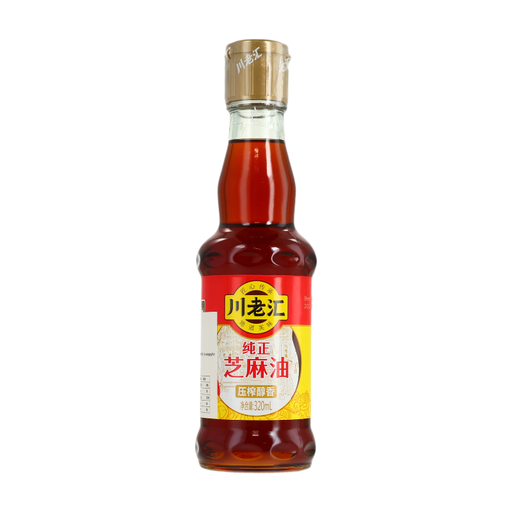
Why it suits this profile: The 320 ml bottle offers a practical quantity for anyone using sesame oil in dressing, soup or noodles for the first time.
The product information states that it contains 100% sesame seeds and recommends using it as a finishing oil, not for deep-frying at high temperatures.
100% sesame seeds, 320 ml capacity and clear recommendations for soups, stir-fries, noodles and salads.
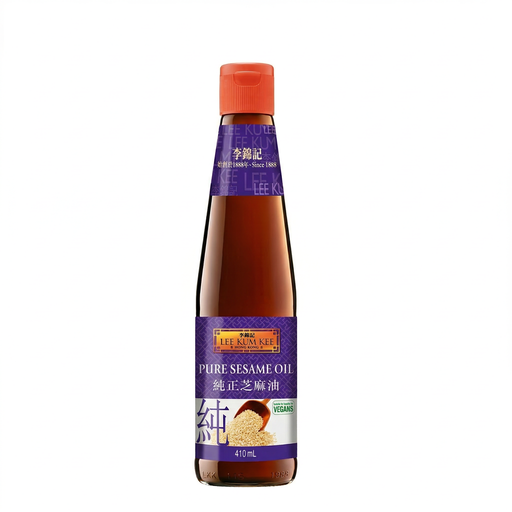
Why it suits this profile: The larger bottle is ideal for households that regularly make Asian sauces, marinades, noodles and dressings.
The ingredients are listed as 100% pure toasted sesame oil. This makes it easy to distinguish clearly from a blend.
100% toasted sesame oil and a 410 ml capacity, suitable as a flavour enhancer for a wide range of dishes.
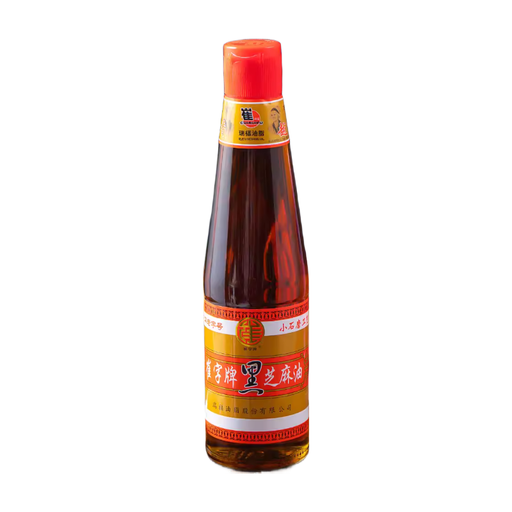
Why it suits this profile: This black sesame oil is aimed at users looking for a pronounced aroma in large quantities of soup, noodles and salads.
The product description states that it contains 100% black sesame seeds and recommends using it as a finishing oil rather than cooking at high temperatures.
100% black sesame, 448 ml capacity and usage advice for cold dishes, soups, noodles and dipping sauces.
Choose sesame oil for dressing when you want to add aroma quickly without grinding or roasting. A few drops are often enough for noodles and soup. Black sesame oil works well in dishes where a more intense, darker flavour profile is desired.
Sesame seeds and white sesame seeds are more flexible as a topping. Sprinkle them over sushi bowls, bread, salads or stir-fries. You can also toast them briefly for extra aroma, but take care not to burn them. For packaged seeds, check the ingredients and allergen information too.
We have put together a complete, up-to-date list of products that fully meet these strict selection criteria and the applicable European safety regulations.
That depends on the product and its label. Many toasted varieties are recommended as a finishing oil and not for high temperatures. Use them after frying or add them just before serving. Check the specific usage instructions for every bottle.
Shelf life varies by product. Store the bottle tightly sealed, in a cool, dark place. Some brands recommend keeping the oil in the fridge after opening. Check the packaging for the exact date and any storage period.
Pure toasted sesame oil and black sesame oil are common choices for noodles and soup. They are usually added at the end of cooking. Start with a few drops and add more to taste, so that the oil’s aroma does not overpower the dish.
