
Vandaag of morgen in huis

Kwaliteit gegarandeerd

Welkomstaanbiedingen ontgrendelen: GRATIS bezorging | Tot 80% korting | Gratis 30 dagen JoyPlus-proefperiode
Download de app
As a Joybuy Product Recommendation Officer, I'm here to help you navigate the vast selection of Asian ingredients. You're standing in the aisle, looking for sesame oil, and you see several different bottles: dark, light, pure, blended. Which one do you need for that perfect stir-fry or flavorful dressing?
Choosing the right sesame oil can be the difference between a good dish and a great one. In this guide, we'll explain the key distinctions and provide specific recommendations, so you'll know exactly which bottle to add to your cart next time.
To help you make an informed choice, here are a few key points to consider.
The most important factor determining the flavor of sesame oil is whether the sesame seeds were toasted before being pressed.
The oil's composition affects both its flavor intensity and its price.
Based on product specifications and their culinary applications, we've highlighted a few popular choices for you.
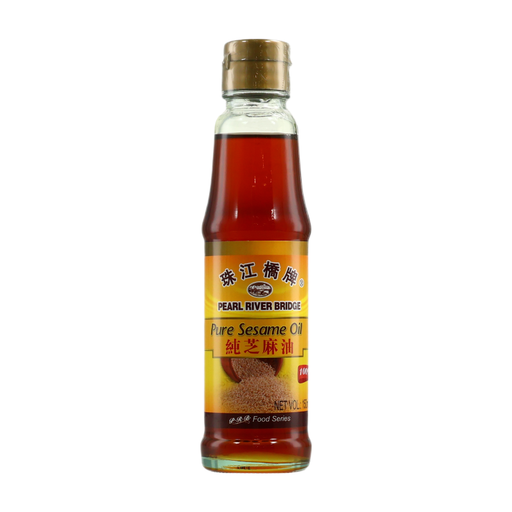
Why It Stands Out This oil from Pearl River Bridge is a 100% pure sesame oil, made from toasted white sesame seeds. Its production process is focused on preserving the rich, nutty aroma and flavor characteristic of authentic sesame oil.
Key Features
Who It's For The home cook looking for a powerful and authentic seasoning to elevate their Asian dishes. If you appreciate the pure, unadulterated flavor of toasted sesame, this is an excellent choice.
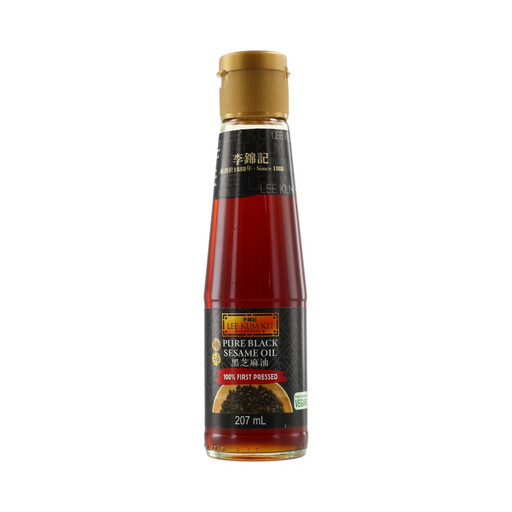
Why It Stands Out This Lee Kum Kee sesame oil stands out because it's made from 100% toasted black sesame seeds. This gives the oil a deeper, more complex, and even more intense flavor than oil from white sesame seeds, along with a darker color.
Key Features
Who It's For For the adventurous cook and lovers of Asian cuisine seeking a more distinct and deeper sesame flavor. If you're familiar with standard sesame oil and want to try something new, this variety offers an exciting flavor dimension.

Why It Stands Out This 'Premium' version from Lee Kum Kee is a blend, consisting of 50% sesame oil and 50% soybean oil. This mix provides a milder flavor and makes the oil more versatile, including for cooking at higher temperatures.
Key Features
Who It's For Ideal for beginners in Asian cuisine or for those who prefer a more subtle sesame flavor. It's also a practical choice if you want a single, multi-purpose bottle in your pantry that can be used for cooking as well.
If a bottle of pure oil isn't quite what you're looking for, or if you prefer the convenience of a ready-to-use seasoning, there are plenty of sesame-based dressings and sauces that can flavor your dishes quickly and easily.
Explore our range of sesame dressings and sauces for quick and flavorful solutions.
What is the difference between light and dark sesame oil? The difference lies in the preparation. Dark toasted sesame oil is made from roasted seeds, which gives it a strong, nutty flavor. It's used as a seasoning. Light sesame oil is made from untoasted seeds, has a neutral flavor and a higher smoke point, making it more suitable for cooking and frying.
Can I use sesame oil for stir-frying? It depends on the type. Dark, toasted sesame oil has a low smoke point and can turn bitter when heated, so it's best used after cooking. A blended oil, like the Lee Kum Kee Premium Sesame Oil, or a light, untoasted sesame oil is better suited for stir-frying at higher temperatures.
What is the best way to store sesame oil? Store sesame oil in a cool, dark place, like a kitchen cabinet, away from direct sunlight and heat sources. A tightly sealed bottle helps preserve its aroma. Some brands recommend refrigerating the bottle after opening; always check the product label for specific storage instructions.
