
Vandaag of morgen in huis

Kwaliteit gegarandeerd

Welkomstaanbiedingen ontgrendelen: GRATIS bezorging | Tot 80% korting | Gratis 30 dagen JoyPlus-proefperiode
Download de app
A bottle of sesame oil might seem simple to choose, but the differences in composition, toasting and usage are significant. Some bottles contain 100% sesame oil, while others are a blend with, for example, soya, rapeseed or maize oil. What's more, sesame oil is often used as if it were ordinary stir-fry oil, whereas a strongly aromatic variety is usually intended as a finishing oil.
This buying guide from the Joybuy Product Recommendation Officer will help you distinguish marketing claims from verifiable product information. That way, you can make a more informed choice between pure sesame oil, toasted sesame oil, black sesame oil and other Asian cooking oils.
Check the ingredients list rather than just the front of the packaging. A pure sesame oil will state, for example, sesame oil (100%) or sesame seed (100%). A blended oil may also contain soya oil, rapeseed oil or maize oil.
That isn't automatically a bad choice. A blend can be suitable for larger quantities or applications where you want a less intense aroma. However, you won't be paying for the same composition as pure sesame oil.
Toasted sesame oil has a pronounced nutty aroma and flavour. Many products state that you should add the oil at the end of cooking. Prolonged heating can make the aroma less recognisable.
For stir-frying, it's therefore best to use a neutral oil for the high heat and add sesame oil only to noodles, soup, vegetables or sauce. Always check the usage instructions on the label.
You often use sesame oil in small amounts. A 1.75-litre bottle might be worthwhile for a restaurant, large household or very frequent user, but it's less practical if you only occasionally make ramen, bibimbap or dumplings. As well as the price per litre, pay attention to the recommended shelf life after opening and the storage instructions.
First, choose the flavour profile:
The terms "Korean sesame oil" or "Chinese sesame oil" often refer to the culinary style or origin. For an objective comparison, always look at the ingredients, volume and usage advice.
Common sizes range from around 150 ml to 500 ml or more. A small bottle is suitable when you mainly use the oil as a finishing oil. For daily cooking, a larger pack can be more practical, provided you store it properly.
Store sesame oil in a cool, dry place away from direct sunlight. Seal the bottle tightly after use. Some products recommend refrigeration after opening; follow the manufacturer's instructions.
Sesame is a mandatory allergen to declare under European labelling regulations. If you have an allergy, you should check not only the ingredients list but also the warning for possible cross-contamination.
Also look at the net volume, best-before date, country of origin and the responsible operator in the EU. This information helps you compare offers in a verifiable way.
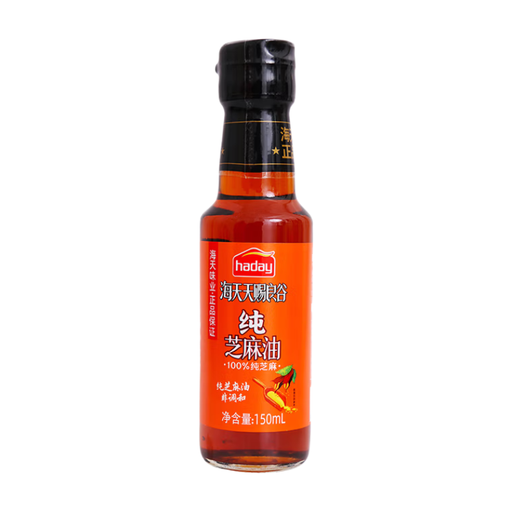
Why this fits the profile: The 150 ml size is manageable for anyone wanting to try sesame oil for the first time on noodles, salads, dipping sauces and stir-fry dishes.
The product information lists sesame oil as an ingredient and gives clear uses as a flavouring and dressing.
150 ml volume; ready to use for salads, noodles, stir-fry dishes and dipping sauces. Contains sesame.
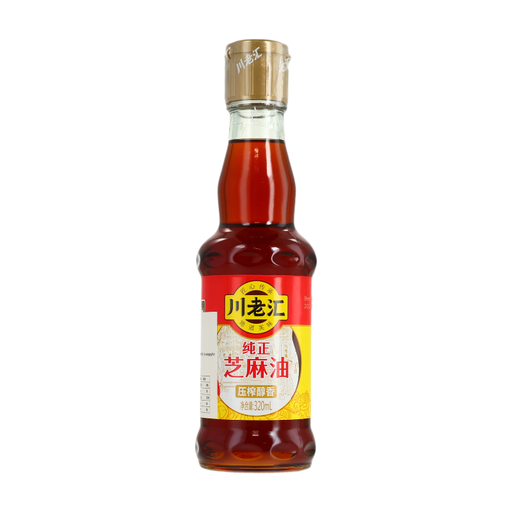
Why this fits the profile: This bottle is aimed at enthusiasts who want a distinct, toasted sesame flavour in Chinese dishes, soups and noodles.
The ingredients list mentions only sesame seed, and the usage advice warns against deep-frying and high heat.
100% sesame seed; 320 ml volume; intended as a finishing oil for hot dishes, salads and noodles.
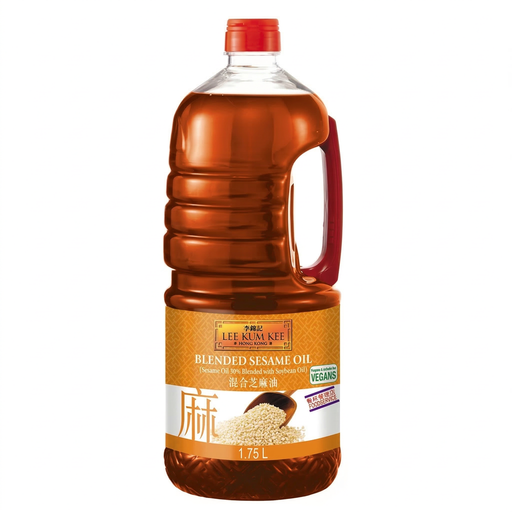
Why this fits the profile: The large pack suits frequent home cooks, caterers and professional kitchens that regularly prepare Chinese dishes.
The composition is visible: sesame oil is blended with refined vegetable oil. This means you buy with purpose, not just based on the product name.
1.75 litre volume; suitable for cold dishes, stir-frying, braising and soups; storage advice after opening is stated.
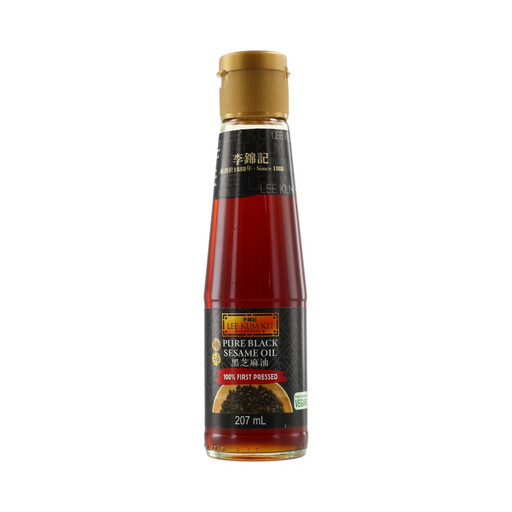
Why this fits the profile: Black sesame oil is interesting for anyone seeking a darker colour and more intense nutty flavour in soup, noodles or dressings.
The product information explicitly states 100% black sesame oil. This makes the distinction from ordinary or blended sesame oil clear.
100% black sesame oil; 207 ml; suitable for dressings, dipping sauces and as a flavouring.
We've put together a full, up-to-date list of products that fully meet these strict selection criteria and current European safety regulations.
Add a few drops to:
For Sichuan dishes, you can combine sesame oil with Sichuan pepper oil or chilli oil. Start with a small amount: pepper oil adds a tingling effect and chilli oil mainly heat. Walnut oil is an alternative for cold dishes and some Chinese preparations, but it has a different flavour profile and contains walnut as an allergen.
That depends on the product. Aromatic pure or toasted sesame oil is often intended as a finishing oil and not for high heat. Use the specific label as a guide. A neutral vegetable oil may be more suitable for deep-frying or hot wokking.
The shelf life varies by brand and product. Keep the bottle tightly sealed, cool and in a dark place. Some varieties recommend refrigeration after opening. Check the packaging and look out for any off odour, taste or appearance before using the oil.
For noodles, pure sesame oil and toasted sesame oil are logical choices when you want a clear nutty aroma. For a more intense flavour, you can use black sesame oil. Add the oil just before serving so the aroma remains more recognisable.
