
Vandaag of morgen in huis

Kwaliteit gegarandeerd

Welkomstaanbiedingen ontgrendelen: GRATIS bezorging | Tot 80% korting | Gratis 30 dagen JoyPlus-proefperiode
Download de app
A bottle of sesame oil may seem straightforward to choose at first glance. However, products vary considerably in composition, flavour intensity, size and intended use. For example, an oil made from 100% toasted sesame seeds is different from a blend containing soya oil. Not every sesame oil is suitable for high temperatures either.
For home cooks in the Netherlands, there are three common pitfalls:
If you want a pronounced nutty flavour for noodles, soup or dumplings, choose a product whose ingredients list states 100% sesame oil or 100% toasted sesame seeds. Examples include Chuanlaohui Pure Sesame Oil, Haday Sesame Oil and various Lee Kum Kee options.
A blend can be useful for everyday cooking. According to the product information, Lee Kum Kee Premium Sesame Oil contains 50% sesame oil and soya oil. The 1.75-litre Lee Kum Kee Mixed Sesame Oil is intended for cold dishes, stir-frying, braising and soups, among other uses. Thanks to its larger size, this option is better suited to intensive use or a professional kitchen.
Also check for allergens. Sesame oil contains sesame. Some chilli oils also contain soya, peanuts, wheat or other ingredients. Always check the current packaging, particularly if you have an allergy or food intolerance.
Toasted sesame oil generally has a distinct, toasted and nutty aroma. You will often only need a few drops. This makes it suitable as a finishing oil for:
Black sesame oil is made from black sesame seeds and, according to the product descriptions, has a deeper colour and an intense aroma. SANFENG Pure Toasted Black Sesame Oil and LEE KUM KEE Pure Black Sesame Oil are examples for users looking for a pronounced sesame flavour.
Treat descriptions such as “rich aroma” as product information, not as a guarantee of a particular taste experience. Flavour also depends on the preparation method, quantity used and other ingredients in the dish.
A 150 to 250 ml bottle is suitable if you only use sesame oil occasionally. For regular cooking, you could consider 320, 410 or 500 ml. The 1.75-litre bottle is particularly practical if you often prepare Asian dishes or cook for several people.
Store sesame oil according to the label: usually in a cool, dry place away from direct sunlight. Close the bottle securely after use. Some products recommend refrigeration after opening, while others state that the oil can be stored in a cool, dark place. Always follow the instructions on the packaging.
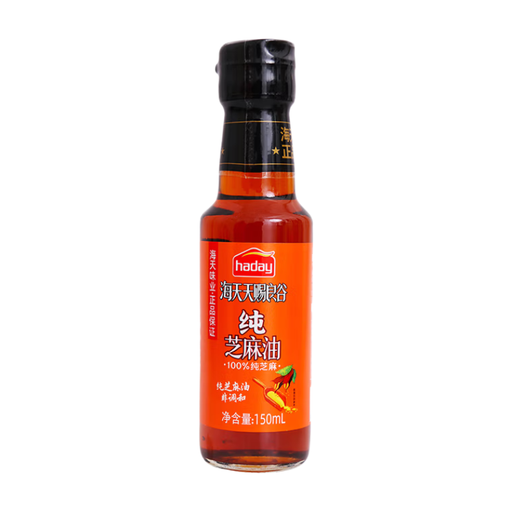
Why it suits this profile: The compact size is practical if you want to try sesame oil first or only occasionally use it for noodles, salads and sauces.
The product information lists sesame oil as an ingredient and clearly recommends using it as a flavouring.
150 ml, ready to use and suitable for salads, noodles, stir-fries and dipping sauces.
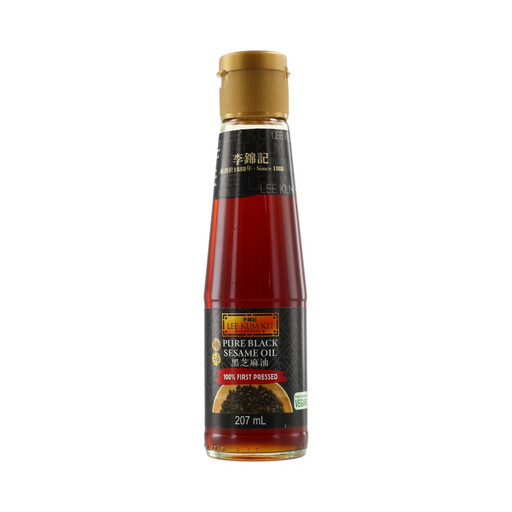
Why it suits this profile: This variant is designed to deliver a pronounced sesame aroma for soups, dressings, noodles and dumplings.
According to the product information, this oil consists of 100% sesame oil and is primarily intended as a finishing oil, not for deep-frying.
100% sesame oil, 207 ml and suitable for cold preparations and adding just before serving.
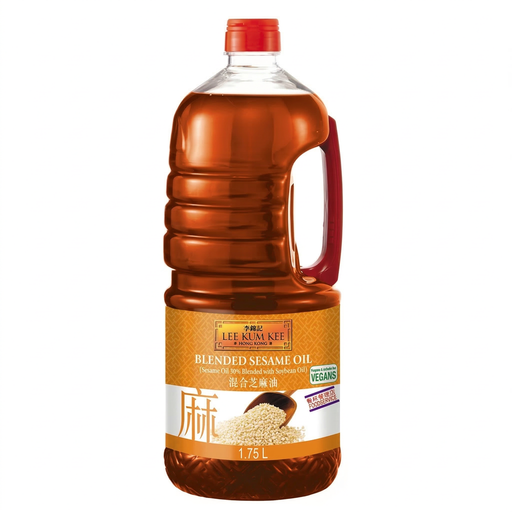
Why it suits this profile: The large size is suitable for regularly preparing Chinese dishes, stir-fries, soups and stews.
The ingredients list includes sesame oil and refined vegetable oil. This means you know in advance that you are not buying pure sesame oil.
1.75 litres and, according to the product information, suitable for cold dishes, stir-frying, braising and soups.
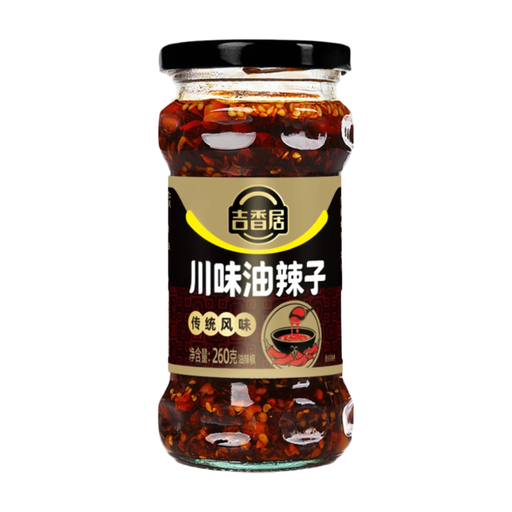
Why it suits this profile: This ready-to-use Sichuan chilli oil is intended for noodles, rice, stir-fries and other dishes that need a spicy kick as well as sesame aroma.
The ingredients list includes chilli, Sichuan pepper, sesame, peanuts and soya, among other ingredients. This means you can assess the flavour and allergens in advance.
260 grams, ready to use and suitable as a base, topping or flavouring for noodles and rice.
We have put together a complete, up-to-date list of products that fully meet these strict selection criteria and the applicable European safety regulations.
Pure sesame oil usually works best as a finishing flavouring. Add a few drops to hot soup, noodles or a stir-fry after taking the pan off the heat. This helps the aroma remain more noticeable.
For a quick sauce, mix sesame oil with soya sauce, rice vinegar and, if desired, a little garlic. With dumplings, you can combine the oil with chilli oil. When using Sichuan chilli oil, pay attention to the amount of salt, peanuts, soya and sesame. Products such as Liupo Chili Oil, Chuanwazi Chili Oil and CUIHONG Spicy Red Oil contain various spices and allergens in addition to oil and chilli.
For high-temperature cooking, only use a product whose packaging supports this use. A pure toasted variant is generally the more logical choice as a finishing oil; according to the product information, a blend may be suitable for several cooking applications.
That depends on the product. Many pure and toasted sesame oils are intended to be added just before serving. So check the usage instructions. For high-temperature wok cooking, a suitable wok oil or blended oil is the more practical choice.
Shelf life varies by product and packaging. Keep the bottle tightly closed, cool and away from light. If the label recommends refrigeration after opening, store the bottle in the fridge. Check the stated date and inspect the oil’s smell and appearance before use.
Pure, toasted and black sesame oils all work well with noodles when you are mainly looking for a nutty aroma. Add a small amount at the end of cooking. For a spicy version, you can combine sesame oil with Sichuan chilli oil or a ready-to-use chilli oil.
