
Vandaag of morgen in huis

Kwaliteit gegarandeerd

Welkomstaanbiedingen ontgrendelen: GRATIS bezorging | Tot 80% korting | Gratis 30 dagen JoyPlus-proefperiode
Download de app
From a steaming bowl of pho to a quick pad thai, rice noodles are the backbone of many beloved Asian dishes. But anyone browsing online or in an Asian market can quickly feel overwhelmed. The packaging looks similar, and descriptions are often minimal. The result? You buy noodles that disintegrate in soup or turn into a sticky mess in the wok.
As a Joybuy Product Recommendation Officer, I'm here to help you make the right choices. We'll look beyond the marketing and focus on what truly matters. Let's avoid the most common pitfalls to save you money and effort.
The 2 Most Common Mistakes When Buying Rice Noodles:
rice vermicelli (1 mm) is perfect for light soups and fresh spring rolls, but it will turn to mush in a hot, stir-fried pad thai. Conversely, thick, wide rice noodles are too cumbersome for a delicate pho.hot pot noodles. If you're looking for a pure rice flavour and a firmer bite, or if you strictly need gluten-free noodles, it's crucial to check the label.To choose the right Asian noodles, you only need to pay attention to two simple factors.
The noodle's thickness determines how it behaves in a dish. A simple rule of thumb:
rice vermicelli. Ideal for Vietnamese bún salads, fresh spring rolls (gỏi cuốn), and light soups. They cook quickly and have a delicate texture.rice sticks. The 3 mm version is the standard for pho noodles, while the slightly wider 5 mm is often used for pad thai noodles. They are sturdy enough to withstand stir-frying and simmering.wide rice noodles are perfect for dishes like Pad See Ew or Chinese hot pot. They have a large surface area to soak up sauce and offer a satisfying, firm bite.The ratio of rice to other starches determines the final texture.
pho noodles.hot pot noodles. They become nearly translucent after cooking and have a very resilient, smooth texture that won't quickly turn mushy in hot broth.Below are some popular choices, matched to specific needs and dishes.
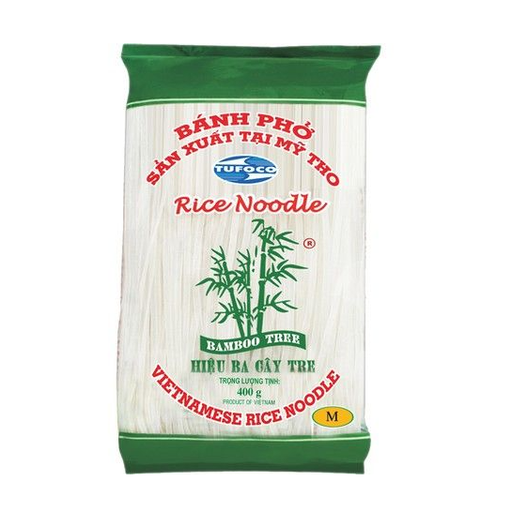
Why This Fits Their Persona: This is the ideal all-rounder for the most popular noodle dishes. The 3 mm thickness is the gold standard for both an authentic Vietnamese pho and a Thai pad thai, so you don't need multiple packages on hand.
Avoids the "wrong thickness" pitfall. This noodle is specifically designed for the sturdiness required for stir-frying and the softness desired in a soup.
Made with 72% rice and tapioca for a pleasantly chewy texture that doesn't stick. Sourced from Vietnam, the birthplace of pho.
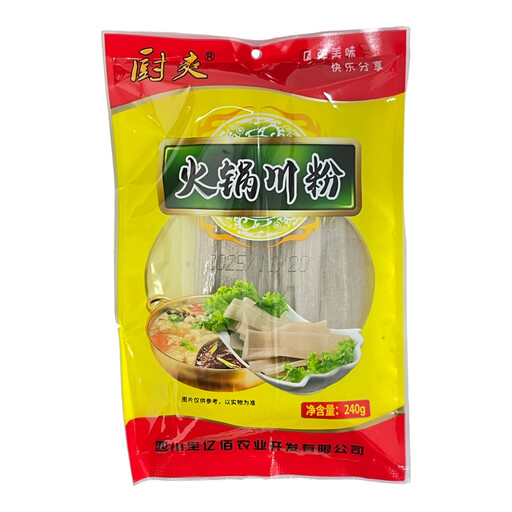
Why This Fits Their Persona: For those who love hosting a hot pot night, noodles that retain their shape and texture are essential. This wide vermicelli is made specifically for this purpose. They are meant to stay in the broth for extended periods without becoming mushy.
Tackles the "wrong texture" pitfall. The mix of sweet potato, cassava, and potato starch creates a smooth, resilient, and firm noodle that doesn't fall apart.
Stays firm and chewy, even after long simmering. The wide shape absorbs the flavour of the hot pot broth exceptionally well.
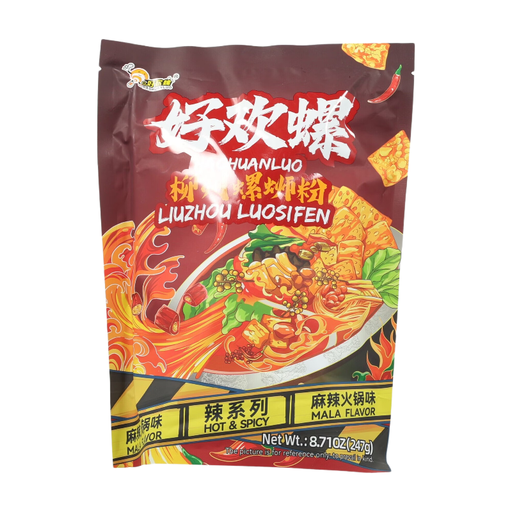
Why This Fits Their Persona: For those seeking a unique flavour experience and considering `buying luosifen`. This isn't a basic noodle, but a complete meal kit for the famous (and infamous) river snail noodles from Liuzhou, with an intense and complex flavour.
This product prevents the disappointment of trying to recreate a complex dish from scratch. Everything you need for the authentic, layered flavour is in the box.
Includes 6 separate packets of ingredients, including mala soup base, snail broth, pickled bamboo shoots, and chilli oil for a complete and customisable experience.
We have compiled a complete, up-to-date list of products that meet these selection criteria and current regulations.
Always cook the noodles in a large amount of boiling water. Stir them with chopsticks or a fork immediately after adding them to the water. Once they are cooked, drain them and rinse them immediately with cold water to stop the cooking process and wash away excess starch. This is the most effective method. If you're using them in a stir-fry, you can add a little oil after rinsing.
Rice vermicelli is a specific, very thin type of rice noodle, usually round in shape and about 1 mm thick. The term rice noodles is an umbrella term for all noodles made from rice flour. This includes vermicelli, as well as the flatter, wider varieties known as rice sticks.
In theory, rice noodles are made from rice flour and water, making them naturally gluten-free. In practice, however, it's important to always check the ingredient list. Sometimes other starches or flours are added. Furthermore, cross-contamination can occur if the noodles are processed in a facility that also handles wheat products. Look for an explicit gluten-free noodles label if you have celiac disease or are highly sensitive.
