
Vandaag of morgen in huis

Kwaliteit gegarandeerd

Welkomstaanbiedingen ontgrendelen: GRATIS bezorging | Tot 80% korting | Gratis 30 dagen JoyPlus-proefperiode
Download de app
Rice noodles are a convenient choice for quick Asian dishes, but not every pack works in the same way. Thin vermicelli is ideal for salads or spring rolls, while wide rice sticks are better suited to stir-fries. Preparation methods, ingredients and allergens can also vary considerably between products.
Anyone who buys rice noodles without comparing them is most likely to encounter three common pitfalls:
The thickness largely determines how you use the noodles:
When choosing Vietnamese rice noodles for pho and bun, look at more than just the name and check the shape too. A thinner noodle can be pleasant to eat in a bowl of soup, while a bun dish often works better with rice vermicelli that retains enough structure after soaking.
The composition varies. According to the product information, Bamboo Tree Rice Noodles 1 mm contains rice, tapioca and water, with 72% rice. The 3 mm version has the same basic ingredients. Wai Wai Kway Teow lists rice grain and water as its ingredients. Other products contain starch, wheat, soya, peanuts or flavour enhancers.
A product free from the 14 major EU allergens can be a practical choice, but always check the current label. For example, the available product information for Sunlee Vietnamese Rice Noodles lists both a simple composition and allergen information. If in doubt, follow the packaging rather than relying solely on an online product description.
Gluten-free rice noodles are not automatically the same as noodles with only a few ingredients. Choose a gluten-free option only when this is clearly stated on the packaging and no wheat or cross-contamination warning is shown.
Dried Asian noodles are ideal for keeping in the cupboard, but they require preparation. You often need to soak them in hot water, cook them briefly and then drain them. Overcooking can result in a sticky texture. For stir-fries, it is wise to cook the noodles for slightly less time, as they will continue cooking in the pan.
Instant rice noodles are quicker. According to the product information, VIFON Beef Hue Style requires approximately 400–500 ml of boiling water and 3–4 minutes to stand. MAMA Oriental Style Instant Rice Vermicelli uses approximately 350 ml of water and requires 3 minutes to stand. With instant products, pay particular attention to:
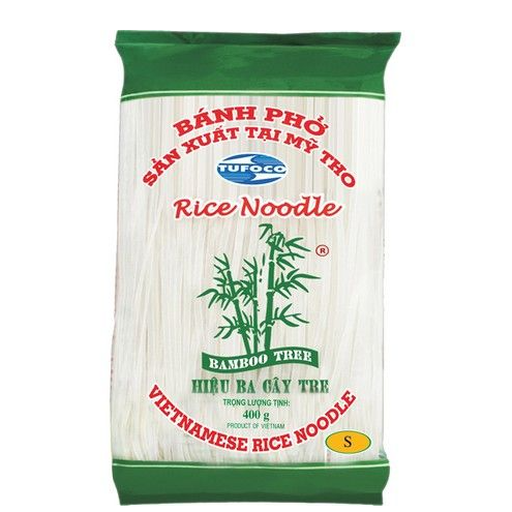
Why it suits this profile: A manageable 400 g bag of thin noodles for anyone keen to try several Vietnamese dishes without immediately buying a large pack.
The 1 mm thickness is clearly stated, making it easier to adjust the preparation for salads, pho or spring rolls.
400 g pack; ingredients according to the product information: rice, tapioca and water.
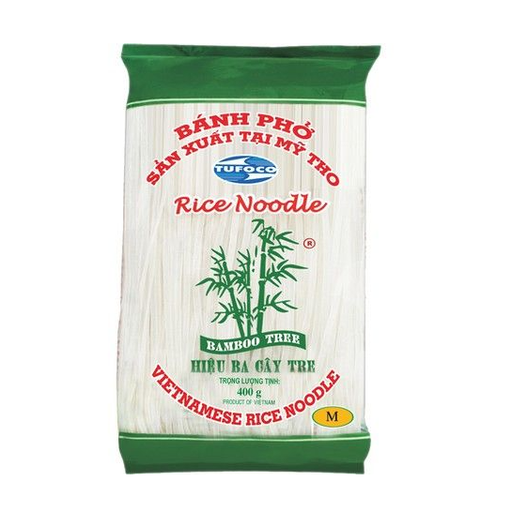
Why it suits this profile: The medium-width shape offers more bite than fine vermicelli and is well suited to stir-fries, soups and noodle bowls.
The product variant states the 3 mm thickness and the Vietnamese rice content. This means you can make a more informed choice than with packaging that simply says ‘rice noodles’.
3 mm thickness; 400 g; made with rice, tapioca and water according to the product information.
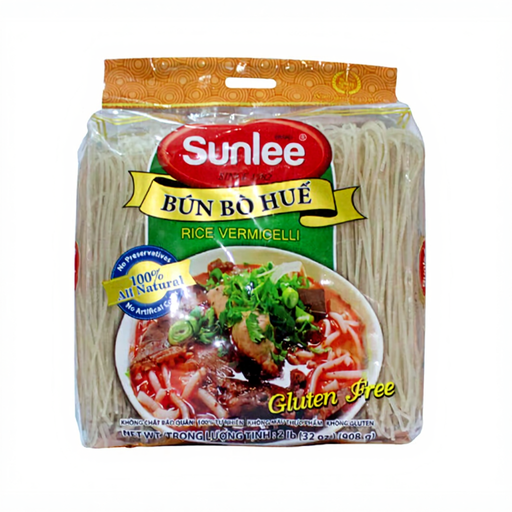
Why it suits this profile: The large pack is practical for families, meal preparation or anyone who regularly makes Vietnamese soups and bun dishes.
The intended use and quantity are clearly stated. This makes it a more logical choice than a small instant serving when cooking for several people.
908 g contents; intended for Bun Bo Hue; suitable for keeping in the cupboard.
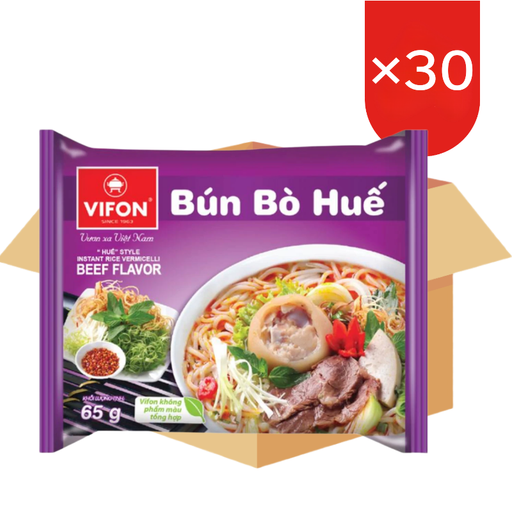
Why it suits this profile: A box containing 30 servings is handy for the office, keeping in reserve or whenever you want to prepare a hot bowl in just a few minutes.
The preparation time and required amount of water are clearly specified. Do check the listed allergens, including wheat, fish and prawns.
30 individual servings; 3–4 minutes’ preparation time; Vietnamese Beef Hue-style flavour according to the product description.
We have compiled a complete, up-to-date list of products that fully meet these strict selection criteria and the applicable European safety regulations.
Use a large pan or bowl and do not soak the noodles for longer than stated on the label. After cooking, you can briefly rinse them with cold water if you are using them in a salad or spring rolls. For rice noodles intended for stir-fries, let them drain before adding them to the pan and only add the sauce once the noodles have separated.
Store an opened pack in a cool, dry place in a sealed container. It is best not to use damaged packaging. The best-before date and full instructions for use are provided on the packaging.
They can be, but not every variety is automatically gluten-free. Check the ingredients and allergens on the current label. Some instant products contain wheat in the stock or flavourings, even when the noodles themselves are made from rice.
Wide rice sticks, such as a variety measuring approximately 5 to 10 mm, are generally well suited to Pad Thai because they absorb the sauce and retain their structure during stir-frying. Always follow the preparation instructions and avoid pre-cooking them for too long.
Dried rice noodles can generally be stored in the cupboard for a long time if the packaging remains unopened and dry. Check the exact date on the packaging. Once opened, airtight storage is important to prevent moisture and contamination.
