
Livraison le jour même et le lendemain

Qualité garantie

Débloquez vos offres de bienvenue: Livraison GRATUITE | Jusqu'à -80 % | 30 jours d'essai gratuits à JoyPlus
Téléchargez l'application
Vietnamese rice noodles are incredibly versatile: you can use them in pho, bun bowls, stir-fries, salads and fresh spring rolls. However, not every packet is suitable for every dish. A vermicelli that is too thin can quickly turn soft in hot broth, while wide noodles are less suited to a light salad.
Product names can also be confusing. Rice vermicelli, rice sticks, Vietnamese noodles and bun tuoi noodles don’t always refer to exactly the same shape or preparation method. The checklist below will help you avoid a disappointing purchase.
A packet labelled “Vietnamese rice noodles” could contain dried noodles, fresh noodles or instant rice noodles. Always check:
For pho, wide rice noodles are usually a better choice than fine rice vermicelli. For bun and salads, thin rice sticks tend to work best.
Noodles made from rice are not automatically free from gluten. Always look at the ingredients list and allergen information. Big Elephant Rice Vermicelli, for example, lists rice flour and starch and states that it contains none of the 14 major EU allergens. With other products, additional ingredients or shared production lines can make a difference.
Also watch out for conflicting information. Some product listings show both “gluten-free” and an allergen statement that makes it necessary to check the packaging. Always use the current label as your guide, especially if you have a food allergy or intolerance.
A 908 g bag may seem good value, but it isn’t always practical for a household that only makes Vietnamese dishes occasionally. Once opened, the packet needs to be sealed tightly and stored in a dry place. For a family, small restaurant or food service business, a large format can be just right.
The thickness determines how the noodles behave in a dish.
A product like Gia Bao Rice Noodle Phở Tươi has a width of 4 mm according to the product information. VIFON Bong Lua Vang is listed as dried rice noodles of 3 mm. These size differences matter more than terms like “premium” or “authentic”, which on their own tell you little about practical use.
Check whether the product is made mainly from rice or also contains tapioca, starch, salt or other ingredients. The composition can affect the texture and cooking behaviour.
A few examples from the range:
Always check the nutritional and allergen information on the packaging. Brand claims about taste, texture or origin are no guarantee of how the noodles will perform in your cooking.
Dried Asian noodles have a long shelf life and are handy to keep in stock. They usually need to be soaked, boiled or both. Follow the preparation instructions on the packet; timings vary by brand and thickness.
Fresh rice noodles often have a shorter shelf life. The Sunlee Rice Stick Vietnamese Bun Tuoi 908 g, for example, is listed with a shelf life of 21 days. This makes the product interesting for frequent use, but less suitable as a store-cupboard staple.
Instant rice noodles are practical when you need a quick meal. They often come with seasoning or flavour sachets and may contain wheat, soya, palm fat or flavour enhancers. They are therefore a different choice from neutral rice vermicelli for homemade pho.
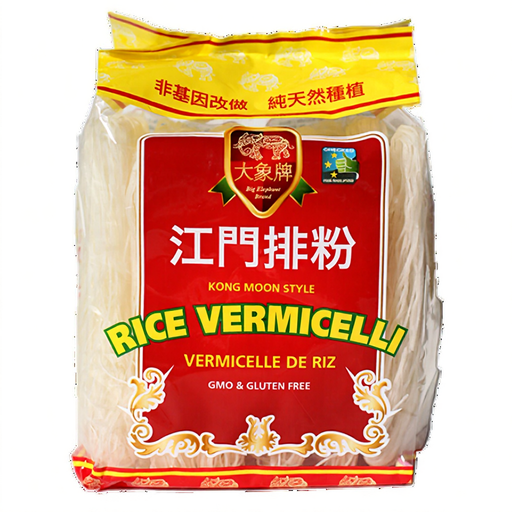
Why it suits this profile: The 400 g pack is a manageable size for anyone trying rice vermicelli for the first time in salads, stir-fries or spring rolls.
The product information clearly states the weight, ingredients and a shelf life of 18 to 24 months. So you’re not buying a fresh bulk pack for occasional use.
400 g; from Vietnam; ingredients based on rice flour and starch; stated to be free from the 14 major EU allergens.
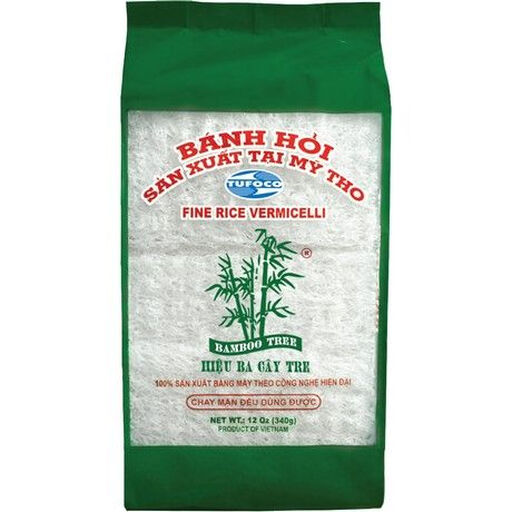
Why it suits this profile: The fine shape is ideal for dishes where a delicate texture is desired, such as bun, salads and light noodle dishes.
The product listing names the type of fine rice vermicelli and provides preparation information. This makes the intended use clearer than a packet with only a generic noodle name.
340 g; rice vermicelli for various Vietnamese dishes; the product information states a low fat content and a preparation method involving soaking and boiling.
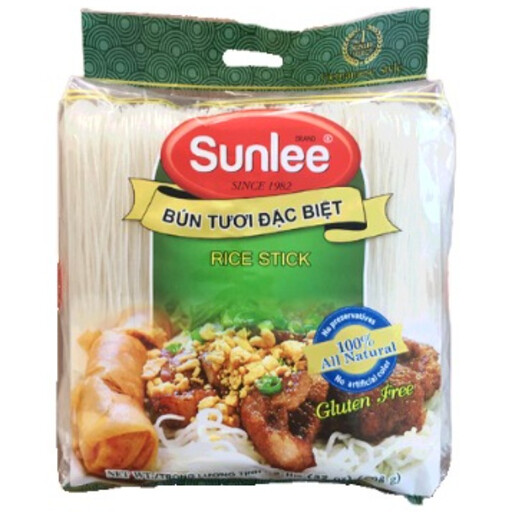
Why it suits this profile: The large pack is practical for frequent preparation of bun, salads and other Vietnamese meals, at home or in a small kitchen.
The listing mentions a diameter of 1.2 mm and a shelf life of 21 days. This makes it easier to plan your use than when the size and shelf life are unclear.
908 g; 1.2 mm rice sticks; according to the product information, made from rice and suitable for intensive use.
Always follow the instructions on the packet for dried rice noodles. Fine vermicelli often needs less time than wide pho noodles. If you’re using the noodles for a salad or stir-fry, you may want to rinse them briefly with cold water after cooking. This helps prevent overcooking and sticking.
Store opened packets in a cool, dry place, tightly sealed, away from sunlight, moisture and heat sources. Fresh bun tuoi noodles should be kept refrigerated and used within the stated shelf life. Avoid using packets that are damaged, damp or open.
We’ve put together a full, up-to-date list of products that fully meet these strict selection criteria and comply with current European safety regulations.
Some Vietnamese rice noodles are made from only rice and water and are listed as gluten-free. This does not automatically apply to every product. Instant varieties, for example, may contain wheat or soya. Always check the current ingredients list and allergen information on the packaging.
Choose pho noodles with a wider shape, for example 3 to 5 mm. Products such as DUY ANH Pho Rice Noodles and VIFON Bong Lua Vang are described in their product information as being intended for pho and other soup dishes. The exact soaking and cooking time varies by product.
Dried rice vermicelli generally has a long shelf life when the packet is kept unopened and dry. Always check the date on the packaging. Fresh bun tuoi noodles have a much shorter shelf life and should be kept refrigerated and consumed within the time stated on the product instructions.
