
Vandaag of morgen in huis

Kwaliteit gegarandeerd

Welkomstaanbiedingen ontgrendelen: GRATIS bezorging | Tot 80% korting | Gratis 30 dagen JoyPlus-proefperiode
Download de app
Rice noodles seem simple at first glance: rice, water and sometimes tapioca. Yet the wrong type can quickly ruin a dish. Noodles that are too thin fall apart in a hot broth, while wide rice sticks can make a fresh salad feel heavy. Terms like rice vermicelli, rice sticks, bun tuoi and bun toui are also not always used consistently.
The main pitfalls are therefore not eye-catching marketing claims, but the wrong thickness, unclear ingredients and packaging that doesn't suit your intended use. With the checkpoints below, you can make a more informed choice from the range of Asian noodles.
Rice vermicelli usually refers to thin rice noodles, but the exact width varies by brand. Likewise, “Vietnamese rice noodles” or “Thai rice noodles” doesn't always tell you enough about how to prepare them. Always check the thickness in millimetres and the cooking instructions on the packaging.
Many rice noodles are naturally made without wheat, but that doesn't automatically apply to every vermicelli. Check the ingredients and allergen information. Bamboo Tree Rice Vermicelli Bun Toui states that the product contains none of the 14 major EU allergens. For other products, such as Oh! Ricey Rice Noodles, check the packaging for allergen information.
If you have an allergy or coeliac disease, the packaging is always the deciding factor. Also look out for possible cross-contamination and the “gluten-free” label.
A 400 g bag of rice noodles is practical for several meals, but not every type suits every recipe. A 908 g bag is particularly useful if you cook regularly, prepare meals for several people or want to stock up. For occasional use, a smaller pack can prevent waste.
The width determines how the noodle feels and how much sauce or broth it absorbs.
Note that a product name may sometimes say “vermicelli”, while the cooking method or texture is more like rice sticks. So look beyond the name and check the technical measurement.
The product information tells you whether a noodle is made from 100% rice or also contains tapioca, starch, salt or other ingredients. Tapioca can make the texture more elastic. Bamboo Tree Rice Noodles in 1 mm, 3 mm and 5 mm list rice, tapioca and water as ingredients, with 72% rice.
Sunlee Rice Stick Straight 3 mm is described as being made with 90% rice and 10% water. Sunlee Vietnamese Rice Stick Noodles Bun Tuoi in 1.2 mm lists rice as an ingredient. Yong Hao Rice Vermicelli is described as containing rice flour and starch.
These differences don't automatically mean one option is better. They mainly help you better assess the texture and intended use.
Most rice noodles in the range are dried and can be stored unopened in a cool, dry place. Fresh rice vermicelli requires more attention. With fresh products, check the best-before date, refrigeration and cooking instructions extra carefully.
Always follow the instructions on the label. Some thin noodles only need to be soaked in hot water, while others need a brief boil. Overheating makes rice noodles soft and sticky.
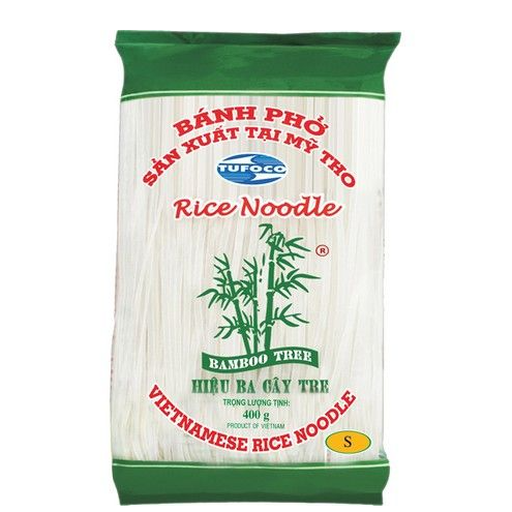
Why this suits the profile: The 400 g pack is easy to manage and the thin size is useful for soups, salads and light Vietnamese dishes.
The 1 mm thickness is clearly stated, so you don't have to rely solely on the general term rice noodles.
400 g pack; 1 mm wide; ingredients according to product information: rice, tapioca and water.
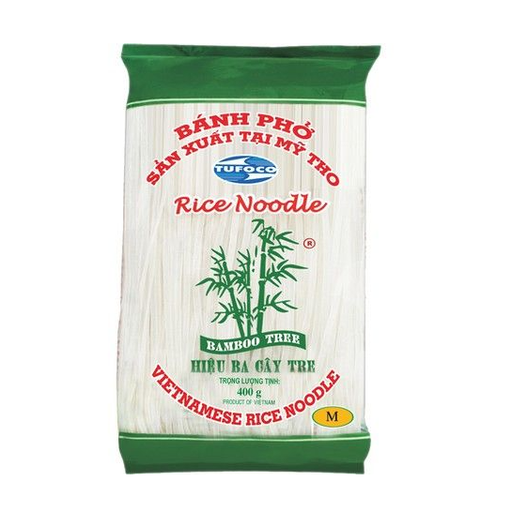
Why this suits the profile: The medium width offers a practical balance for cooks preparing a variety of Asian dishes.
The fixed 3 mm size prevents you from choosing a vermicelli that is too thin for stir-fries or robust sauces.
400 g pack; 3 mm wide; product information states 72% rice and none of the 14 major EU allergens.
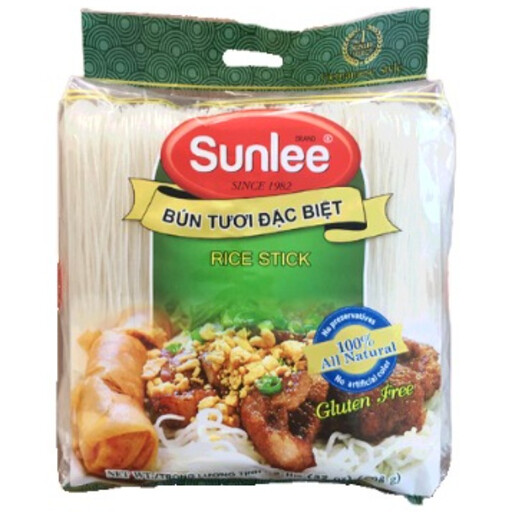
Why this suits the profile: The large pack is aimed at frequent users, family kitchens and lovers of bun dishes.
The packaging states both the bun tuoi application and the 1.2 mm thickness, so the product can be better matched to the recipe.
908 g pack; 1.2 mm rice sticks; product information lists rice as an ingredient and none of the 14 major EU allergens.
We've put together a full, up-to-date list of products that fully meet these strict selection criteria and current European safety regulations.
Use the cooking instructions on the packaging as your guide. For thin rice vermicelli, soaking in hot water is often sufficient. Bamboo Tree Fresh Rice Vermicelli Bun Tuoi, for example, recommends soaking for 3 to 5 minutes in boiling water, then draining and rinsing with cold water.
Bear in mind that they will continue to cook. Add soaked noodles to soup or a stir-fry only at the very end. Rinse them briefly if you're using them in a cold salad. This reduces the chance of them becoming too soft while you mix.
No, not automatically. Check the ingredients list, allergen information and any “gluten-free” label. Some products contain only rice and water, while others also contain tapioca, starch or salt. The packaging of the specific product is the deciding factor.
For pad thai, medium-wide rice sticks are often used, for example around 3 mm. Extra wide rice sticks of 10 mm can also be used when you want a firmer bite and a larger noodle in the dish. Always check the recommended cooking time, as soaking and boiling times vary by product.
Check the best-before date on the packaging. Keep an opened bag sealed in a dry place away from heat and direct sunlight. Do not use the product if the packaging is damaged or if the noodles have become damp.
