
Vandaag of morgen in huis

Kwaliteit gegarandeerd

Welkomstaanbiedingen ontgrendelen: GRATIS bezorging | Tot 80% korting | Gratis 30 dagen JoyPlus-proefperiode
Download de app
When you buy prawn dumplings online, you quickly come across lots of similar-looking packs: prawn gyoza, ha kau, har gow and other Asian dumplings. However, they can differ considerably in their filling, size, preparation method and packaging. For example, a low price per bag tells you little if you are mainly buying dough or need to use everything soon after opening.
This practical guide helps you focus on the information that really matters. That way, you can choose frozen prawn dumplings to suit your household, cooking method and preferred portion size.
Terms such as “shrimp dumplings”, “prawn gyoza” or “dim sum prawns” usually describe the type of product, but do not automatically indicate how much prawn it contains. So always check the ingredients list and the quantitative ingredient declaration.
The percentages vary across the range. According to the product information, Ajinomoto Gyoza Prawn contains 27% peeled prawns. FRESHASIA Shrimp Ha Kao lists 37.13% prawn. BML Shrimp Gyoza contains 34.90% prawns. A higher percentage is no guarantee of a particular flavour, but it does make an objective comparison possible.
Ha kau and har gow are often recognisable by their thin, translucent outer layer. This gives them a different texture from the thicker wheat-dough wrapper used for many gyoza. However, marketing terms such as “authentic”, “restaurant-style” or “crystal” are not official quality standards.
Instead, look at:
Frozen dumplings are convenient, but they take up space and need to remain frozen. An 800-gram or 1-kilogram pack is well suited to families, high-volume users and catering businesses. For one or two people, a 400- or 500-gram bag may be more practical.
Also check the number of pieces. Ajinomoto supplies 30 pieces in 600 grams, while Ben’s Crystal Shrimp Dumplings contains 32 pieces weighing 25 grams each in an 800-gram pack. This allows you to compare not only the price per kilo, but also the portion size.
Always read the full ingredients list on the product page before ordering, and then check it again on the packaging. Prawns are crustaceans, and many varieties also contain gluten, soya and sesame. Some products also contain fish, egg or pork.
This distinction matters when you are looking for a simple prawn filling. For example, Mooijer Ha Kau contains fish and bamboo shoots in addition to 25% prawns. Kungfu Dumplings Shrimp and Pork contains 15% prawns and 25% pork. These products will therefore suit a different preference from dumplings made primarily with prawns and vegetables.
Check whether the dumplings can be cooked straight from frozen. With many products, thawing is unnecessary and is actively discouraged to prevent loss of quality and sticking.
For steaming prawn dumplings:
FRESHASIA Shrimp Ha Kao states that it should be steamed for 8 to 10 minutes from frozen. According to the product information, KHY Shrimp Gyoza can also be steamed, pan-fried or deep-fried. The specified time varies depending on the size and wrapper, so use the product packaging as your guide.
Frozen prawn dumplings should be stored at the stated temperature until use, generally -18 °C or below. When ordering online, look for information about refrigerated or temperature-controlled transport. On delivery, check that the packaging and contents are still properly frozen.
After thawing, follow the instructions on the label. Several products state that they must not be refrozen. Always cook dumplings fully according to the packaging instructions; a product with raw dough or raw filling is not suitable for eating uncooked.
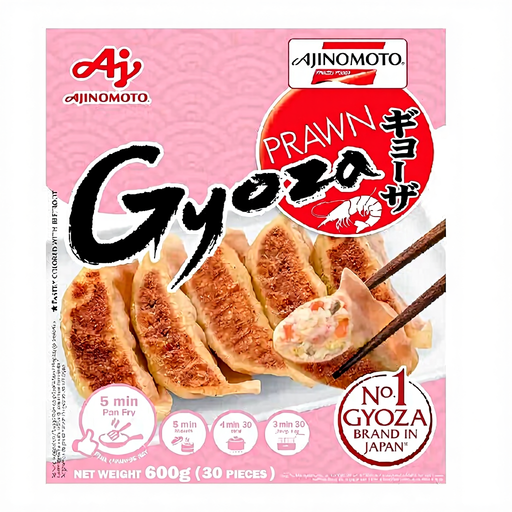
Why it suits this profile: The pack contains 30 pieces and is suitable for a quick meal or snack. The combination of prawns and vegetables makes this an approachable choice for anyone trying prawn gyoza for the first time.
The number of pieces and the weight are clearly stated. The product information also lists a prawn content of 27%, so you do not have to rely on the name alone.
30 pieces per pack; contains prawns, cabbage, carrot and mushroom. Allergens: crustaceans and wheat.
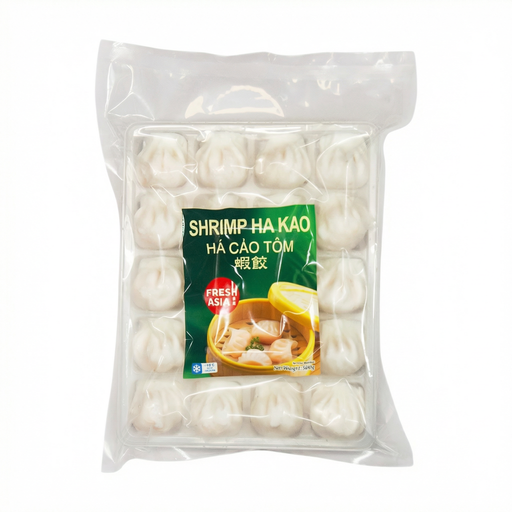
Why it suits this profile: This ha kau has a translucent wrapper and a stated prawn content of 37.13%. It is ideal for fans of classic Cantonese dim sum who enjoy a recognisable, soft outer layer.
The name “ha kao” is backed up by clear information about the wrapper, ingredients and steaming time. You know in advance that steaming from frozen is the recommended method.
37.13% prawns; steam for approximately 8–10 minutes; 500-gram pack. Allergens: crustaceans, wheat, sesame and soya.
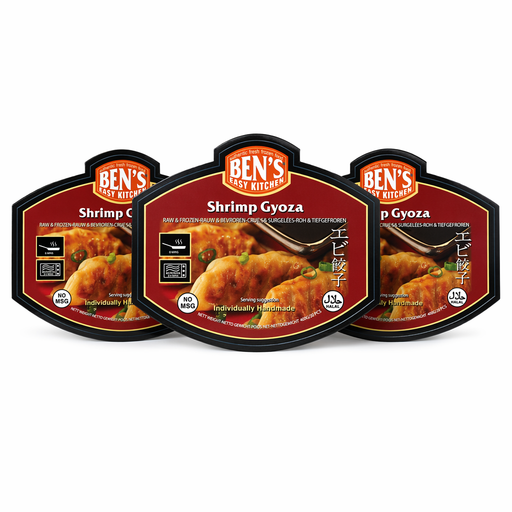
Why it suits this profile: The 1.2-kilogram multipack is suitable for families, well-stocked freezers and anyone who prepares gyoza regularly. The instructions state that it takes approximately 6 minutes to cook from frozen.
The larger pack means you do not need several small bags when cooking for multiple people. The prawn content of 34.90% is stated, along with the preparation method and allergens.
3 packs of 400 grams; 34.90% prawns; suitable for cooking without thawing. Contains wheat and gluten.
We have put together a complete, up-to-date list of products that fully meet these strict selection criteria and the applicable European safety regulations.
With many varieties, yes. According to the product information, ha kau can be steamed from frozen for 8 to 10 minutes. Depending on the product, gyoza can be pan-fried, steamed or deep-fried. Always check the instructions on the packaging and make sure the filling is fully cooked and piping hot throughout.
Ha kau, also known as har gow, usually has a thin, translucent wrapper and is mainly steamed. Prawn gyoza generally has a wheat-dough wrapper and is often pan-fried, steamed or boiled. The exact filling varies by brand, so check the prawn content and ingredients.
Store them at the temperature stated on the packaging, usually -18 °C or below. Keep the bag out of the freezer for as short a time as possible. Many products must not be refrozen after thawing. When your order arrives, check the condition of the packaging and plan larger packs around your usual consumption.
