
Same-day & Next-day Delivery

Quality Guaranteed

Unlock Your Welcome Offers: FREE Delivery | Up to 80% OFF | Free 30-day JoyPlus trial
Download the APP
Frozen prawn dumplings are ideal for a quick meal, dim sum lunch or snack. However, many packages look similar even though their contents can differ considerably. For example, a typical gyoza is not the same as har gow: the filling, dough, cooking method and number of pieces per pack can all vary.
If you focus only on an attractive picture or large package, you may be in for a surprise. Below, you’ll find what to look for when buying frozen prawn dumplings, which common pitfalls to avoid and which options suit different households in the Netherlands.
A 1 kg bag may look appealing, but first check how many dumplings it contains and how much prawn has been used. Some products contain a significant proportion of dough, vegetables, fish or fat. So don’t just compare the total price. Also look at:
A large pack is particularly suitable for a family, regular dim sum meals or sharing. For a small freezer, a 400 to 500-gram pack may be more practical.
The term crystal shrimp dumplings usually refers to a thin, partly translucent wrapper made from starch. The appearance alone says nothing about the prawn percentage. Check the ingredients list. For example, FRESHASIA Shrimp Ha Kao 500g states 37.13% prawn, while other products list a lower percentage.
Also look out for ingredients such as pork fat, fish, vegetables, E621 or E635. These ingredients are not necessarily a problem, but they do affect the flavour, texture and suitability for your dietary preferences.
Not every dumpling can be prepared in the same way. Some varieties are suitable for steaming, frying and deep-frying, while others are mainly intended for a steamer basket. Always check the packaging and prepare the product according to the instructions provided.
Frozen products also come with an important rule: do not refreeze once the product has thawed. When your order arrives, check that the packaging is still properly frozen and place the dumplings in a freezer at -18°C or below as soon as possible.
For a clear comparison, check the quantitative ingredients declaration. AJINOMOTO Gyoza Prawn 600g contains 27% peeled prawns in the filling, along with vegetables and dough. FRESHASIA Shrimp Dumpling 880g states that the filling contains 45% prawn, as well as pork fat and other ingredients.
A higher prawn percentage doesn’t automatically mean you’ll prefer the flavour. It is, however, an objective reference point if you’re specifically looking for a prawn dim sum with a distinct seafood taste.
If you’re specifically looking for a soft, translucent wrapper, it’s better to search for ha kau, har gow or crystal shrimp dumplings rather than just prawn gyoza.
Prawn dumplings usually contain crustaceans. Wheat, gluten, soya and sesame are also common ingredients. Some varieties contain fish, egg or sulphites as well. Read the full label if you have an allergy or intolerance. The product information in the online shop is a useful guide, but the packaging delivered with your order is the definitive source.
Nutritional values vary from one recipe to another. As a guide, some products contain around 153 to 195 kcal per 100 grams, but always check the current packaging for the correct information.
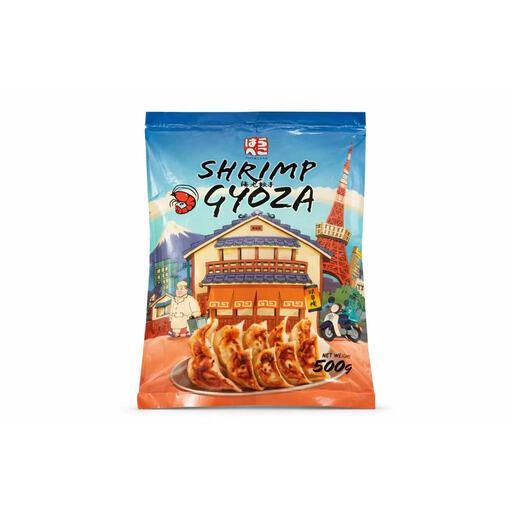
Why it suits this profile: A medium-sized pack for anyone wanting to try prawn gyoza at home without immediately buying several kilos.
The cooking instructions include steaming, frying and deep-frying without thawing. This means you can choose the cooking method that best suits your kitchen.
500 g; 169 kcal and 7.3 g of protein per 100 g according to the product information; suitable for several cooking methods.
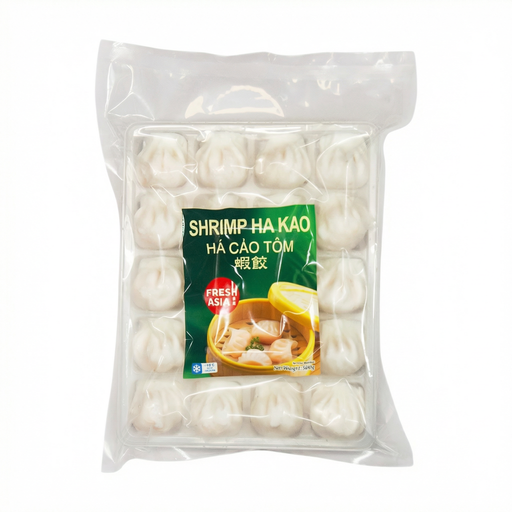
Why it suits this profile: A classic har gow for anyone who values a translucent wrapper and a relatively high stated prawn percentage.
The product information states 37.13% prawn and lists allergens separately. This means you don’t have to rely solely on the term “crystal”.
500 g; steam from frozen for 8–10 minutes; contains wheat, soya, sesame and crustaceans.
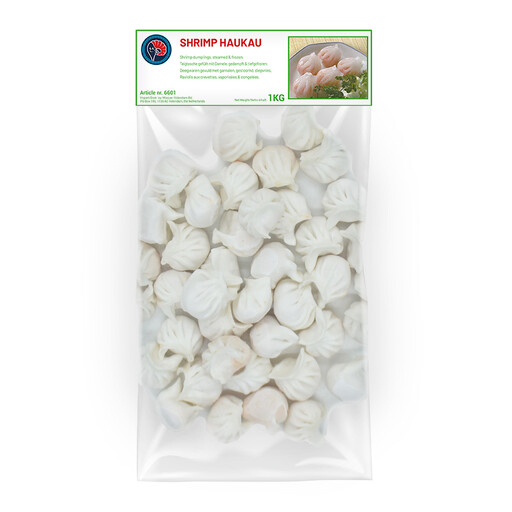
Why it suits this profile: A large IQF pack for households that regularly serve prawn dim sum or want to keep a supply in the freezer.
The IQF pack contains 1 kg, allowing you to take out the amount you need from your stock. However, make sure you have enough freezer space.
1 kg; intended for steaming; nutritional information states 153 kcal and 5.6 g of protein per 100 g.
We’ve compiled a complete, up-to-date list of products that fully meet these strict selection criteria and the applicable European safety regulations.
This method works well for most har gow and other steamed prawn dumplings:
Not every product is suitable for the same cooking time. For example, Ben’s Crystal Shrimp Dumplings states approximately 7 minutes of steaming at 96°C, or 3–4 minutes in the microwave at 650 watts. The instructions on your packaging should always take precedence.
Store them at -18°C or below and follow the best-before date on the packaging. Once thawed, they should be kept refrigerated and eaten within the stated period. Do not refreeze them afterwards.
Yes, but check the cooking instructions. KHY Shrimp Gyoza states that it can be steamed from frozen, as well as fried and deep-fried. Gyoza often has a sturdier dough wrapper than har gow and may therefore require a different cooking time.
Choose a supplier that provides information about temperature-controlled transport and check the condition of the packaging when it arrives. If a product is partly thawed, damaged or no longer clearly frozen to the touch, it’s best not to store it without first contacting the seller.
