
Vandaag of morgen in huis

Kwaliteit gegarandeerd

Welkomstaanbiedingen ontgrendelen: GRATIS bezorging | Tot 80% korting | Gratis 30 dagen JoyPlus-proefperiode
Download de app
Frozen dim sum is handy for a quick meal, a gathering with drinks, or an elaborate Chinese dinner at home. You don’t need to make dough, and many products can be steamed, boiled or fried straight from the freezer. That said, not all packs of frozen dim sum are created equal.
A large pack might seem good value, but it may be less suitable if you only eat Chinese bites occasionally. What’s more, terms like “handmade”, “authentic” and “restaurant-style” aren’t always backed up by clear information about ingredients, weight or cooking method. Anyone looking to buy dim sum wisely should therefore start by checking the product specifications.
A 1 kg pack looks appealing for a family or party, but do check how many pieces are inside and whether the dumplings are individually frozen. IQF stands for Individually Quick Frozen: the products are frozen separately. This makes it easier to prepare only the amount you need.
For a small household, 300 to 500 grams is often more practical. For a dim sum buffet or regular use, larger packs such as 2 × 500 grams or 2 × 1 kg are usually more convenient.
Chinese dumplings often contain wheat, soya, sesame, fish, egg or shellfish. Har gow, prawn dumplings and gyoza in particular can contain multiple allergens. Always read the current packaging, even if you’ve bought a similar product before without any issues.
Pay extra attention with mixed boxes. An assortment may, for example, contain both prawns and pork, and also list wheat, soya and sesame. When in doubt, the label is what counts.
Not all frozen dim sum is ready to eat. Some products contain raw dough or a raw filling and must be fully cooked. “Cook from frozen” does not mean you can eat them thawed or half-cooked.
Check:
Choose the pack based on your eating occasion. A box of 300 to 450 grams suits a small meal or snack. For several people, packs of 800 grams to 1 kg are more suitable.
Looking for a mix of flavours? An assortment with har gow, siu mai and xiao long bao gives you more variety without having to buy three separate boxes. If you often eat the same product, a multipack can save you money.
The name doesn’t always tell you how much filling you get. So check the ingredients list and the percentage of the main ingredient. Some products state, for example, 36% prawn, 48% beef or 55% pork.
Examples from the range:
Brand information about a traditional preparation method or authentic flavour is a description from the brand, not an independent, established judgement. So base your choice mainly on ingredients, nutritional value, cooking instructions and origin information.
Most products must be stored at -18 °C or colder. Keep the cold chain as intact as possible during delivery and storage. On receipt, check that the packaging is undamaged and the product still feels frozen.
When steaming dim sum at home, a steamer basket with baking paper or a lightly greased base works well to prevent sticking. Place the dumplings with space between them so the steam can circulate. Always follow the instructions on the packaging. Cooking times vary by size, filling and product type.
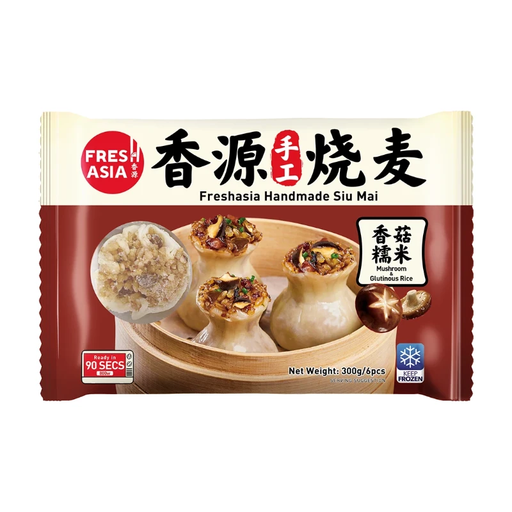
Why this fits the profile: The 300g pack is manageable for anyone trying siu mai for the first time or looking for a small quantity of Chinese bites.
The weight, ingredients and cooking method are clearly stated. So you don’t have to rely on just the product name or packaging.
300 g, individually quick frozen and, according to the product information, ready to steam in 10–15 minutes from frozen.
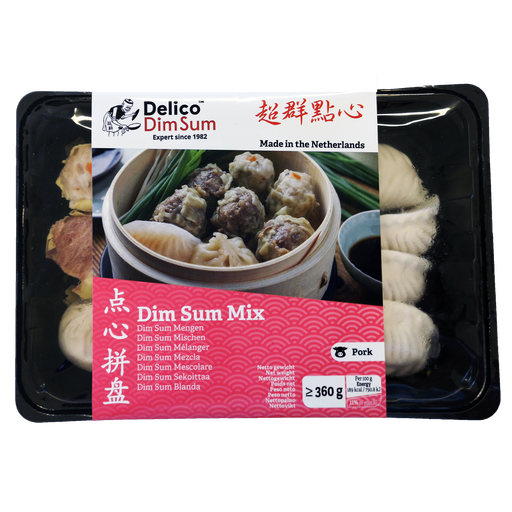
Why this fits the profile: This assortment is designed for diners who want to serve several varieties on one plate: har gow, beef siu mai, pork siu mai and xiao long bao.
The variety is clearly described and the allergens are listed. This makes the contents easier to assess than with a vaguely mixed box.
Four varieties in one pack, individually quick frozen and ready to steam from frozen according to the product information.
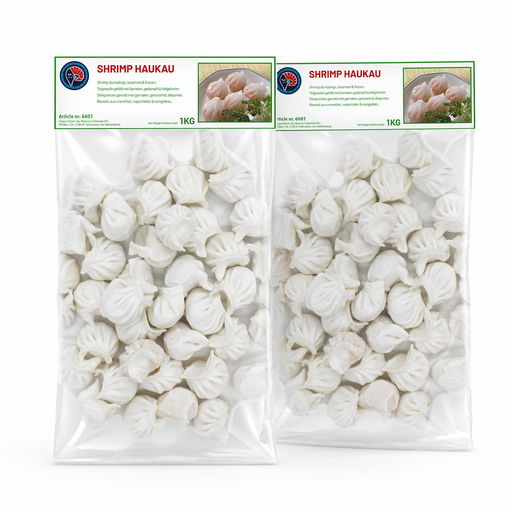
Why this fits the profile: The double 1 kg pack suits families, regular dim sum evenings and larger buffet spreads.
The portion size is clear upfront. You’re not paying for a small pack when you regularly serve prawn dumplings.
Two packs of 1 kg, IQF delivered and with nutritional information of 153 kcal per 100 g according to the product description.
We’ve put together a full, up-to-date list of products that fully meet these strict selection criteria and comply with current European safety regulations.
Often, yes. Many dumplings are designed to be steamed without thawing. The exact time varies by product: some prawn dumplings need about 7 minutes, while siu mai or xiao long bao may take longer. Always check the packaging and make sure the filling is fully cooked and piping hot.
That depends on the best-before date on the packaging and the storage temperature. Generally, store the product at -18 °C or lower. After thawing, follow the instructions on the label; refreezing is not recommended for many products.
Soya sauce, black rice vinegar, chilli oil and finely chopped spring onions go well with many types of dim sum. Combine har gow with siu mai, bao buns or mini spring rolls for a varied platter. With sauces, also watch out for soya, gluten and sesame if you need to consider allergens.
