
Vandaag of morgen in huis

Kwaliteit gegarandeerd

Welkomstaanbiedingen ontgrendelen: GRATIS bezorging | Tot 80% korting | Gratis 30 dagen JoyPlus-proefperiode
Download de app
Looking for an orange fizzy drink for home, a party, a day out with the kids or on the go? You’ll soon find a range of products to choose from, from sparkling orange soda and fizzy orange drinks to orange juice, fruit drinks and handy multipacks. Sometimes the packaging seems to tell you more than the ingredients list. You could end up paying for a big brand, eye-catching design or large tray, even if the contents aren’t quite right for how you plan to use them.
So the key question isn’t just which flavour you like. It’s also: what’s in it, how much do you need and how is the drink packaged?
An orange colour and a fruity name don’t automatically mean you’re buying a drink with a high percentage of orange juice. A carbonated drink, for example, may contain just a few per cent fruit juice, alongside water, sugar, sweeteners, flavourings and food acids.
So compare the product descriptions:
Some products are marketed as fizzy drinks with no preservatives. According to information from Uludağ, its orange drink is made without E202 and E211, among other preservatives. The manufacturer also describes a pasteurisation process. This is product information from the brand, not a general guarantee for every variant or pack size.
Capri-Sun also states in its product description that it contains no artificial colours or preservatives. Always check the packaging when your order arrives, as recipes and labels can change. Also look out for other ingredients such as sugar, sweeteners, food acids and flavourings.
An orange drink multipack is handy for parties, stocking up or days out, but compare the total volume. A tray of 24 x 330 ml cans contains a different amount from three packs of ten 200 ml pouches. So work out the price per litre or serving.
A large pack is less practical if you have limited fridge space or the drink needs to be chilled quickly after opening. For a family, a multipack can be useful when the portions are already divided up.
Start by checking the percentage of fruit juice. Sanpellegrino Aranciata Rossa, for example, lists 17% orange juice and 3% blood orange juice. The supplied product information for Fanta Orange lists 6.5% orange juice from concentrate. These are different types of drink: one puts more emphasis on juice, while the other focuses on fizz, flavour and sweetness.
If you’re mainly looking for a juice-style drink, take a look at BIO+ Orange Juice 1L. If you’d prefer fizz and a distinct fizzy drink flavour, compare products such as Fanta Orange or Uludağ.
The nutrition table per 100 ml makes it easier to compare products. Fanta Orange lists 5.6 grams of sugar per 100 ml and also contains sweeteners. Capri-Sun Orange lists 4.4 grams of carbohydrates, of which 4.4 grams are sugars, per 100 ml. It also contains steviol glycosides, among other ingredients.
Appelsientje Fruit Drink Orange lists 5.6 grams of sugars per 100 ml and contains milk ingredients. According to the product information, Taksi Orange contains 7.1 grams of sugar per 100 ml and milk ingredients. If you have an allergy, always check the latest ingredients and allergen information on the packaging.
Check the pack size:
Unopened drinks should generally be stored in a cool, dry place away from direct sunlight. Many products should be refrigerated once opened. Always check the label for the shelf life and how long the drink can be kept after opening.
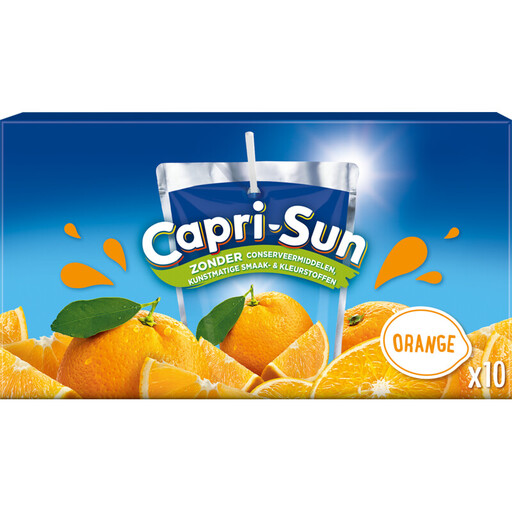
Why it suits this profile: The 200 ml portions are easy to take to school, the park or a children’s party. There’s no need to open a large bottle or take cups with you.
The product information clearly states the portion size, 10% concentrated fruit juice and the absence of artificial colours and preservatives. Check the current packaging to confirm.
10 x 200 ml, 19 kcal and 4.4 grams of sugars per 100 ml according to the product details; suitable for taking on the go.
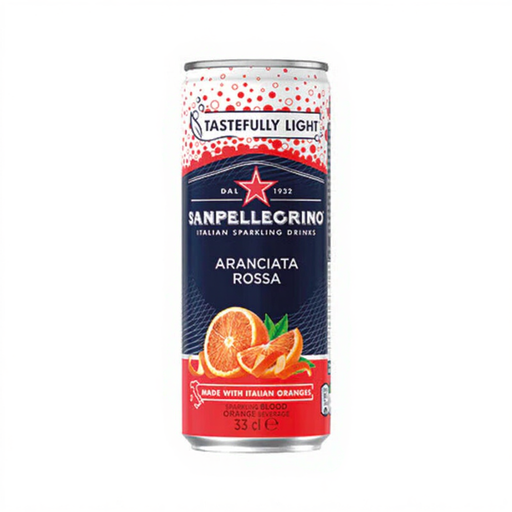
Why it suits this profile: This Italian fizzy drink combines orange and blood orange juice with carbonation. It’s a good choice with a meal or for when flavour matters more than having a large volume.
The juice content is clearly stated: 17% orange juice and 3% blood orange juice. That makes it easier to assess what’s in the drink than with packaging that simply highlights “orange”.
330 ml per pack, 20% stated juice content and a clear nutrition table showing 8.9 grams of sugar per 100 ml.
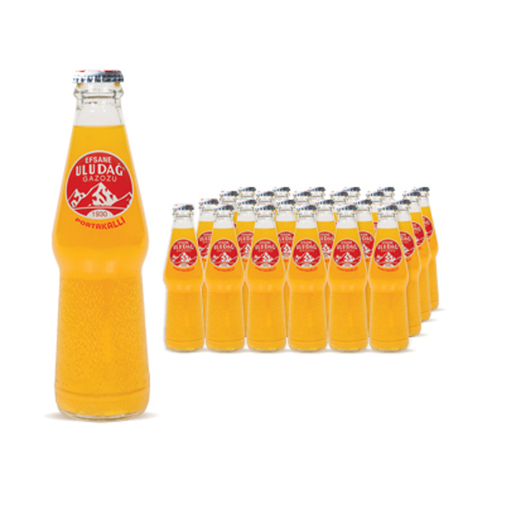
Why it suits this profile: A tray of 24 glass bottles is ideal for larger gatherings, meals with several guests or stocking up if you enjoy Turkish-style fizzy orange drinks.
According to Uludağ’s own research and product information, this variant contains 4% fruit juice and no E202 or E211. Check the label on the pack you receive and bear in mind that glass bottles are heavy.
24 x 250 ml, glass packaging and 4% fruit juice according to the product description; ideal for serving by the bottle.
We’ve put together a complete, up-to-date list of products that meet these strict selection criteria and the applicable European safety requirements.
Orange juice consists mainly of orange juice, which may be made from concentrate. Orange soda is a carbonated soft drink made with water, carbon dioxide, sugar or sweeteners, flavourings and sometimes fruit juice. Check the juice content and the ingredients list to see how they differ.
Small packs are practical when you’re out and about. Capri-Sun Orange is available in a 10-pack with 200 ml portions. For home or a party, 1 litre or 1.5 litre bottles, or a tray of cans, may offer better value per litre. Always compare the total volume with the portion size you need.
Once opened, orange drinks should generally be kept sealed in the fridge. Follow the instructions on the label. Carbonated drinks gradually lose their fizz after opening. Juice and fruit drinks should also be refrigerated after opening and used within the stated period.
