
Vandaag of morgen in huis

Kwaliteit gegarandeerd

Welkomstaanbiedingen ontgrendelen: GRATIS bezorging | Tot 80% korting | Gratis 30 dagen JoyPlus-proefperiode
Download de app
Whether it's with breakfast or in a child's lunchbox, orange juice is a staple in many households. But the supermarket aisle can be overwhelming. One carton screams "100% pure juice," while another promises "no added sugar." These claims make it difficult to know what you're actually buying. Many families unwittingly fall for marketing traps, ending up with a product that doesn't meet their expectations.
Before you grab a carton off the shelf, it's wise to be aware of a few common misconceptions:
orange drink can contain significantly less fruit and is often diluted with water, sugars, and flavourings.orange juice boxes are more expensive per litre, making them less suitable for daily breakfast use.To make a choice that suits your family, it's helpful to check a few specifications on the label. This will help you see past the marketing and make an informed decision.
The name on the packaging tells you exactly how much fruit it contains. This is legally regulated.
orange juice): This product must consist of 100% fruit. If it says "from concentrate," it means the water was removed from the juice after pressing (for transport) and later added back. The nutritional value is typically comparable to juice not from concentrate.orange drink): This contains a much lower percentage of juice, supplemented with water, sugar or sweeteners, and flavourings. The fruit content can vary but is significantly lower than 100%. Brands like Capri-Sun orange and Wicky orange often fall into this category.Many people specifically look for sugar-free orange juice. This usually means "no added sugar." Pure orange juice naturally contains about 8-9 grams of sugar per 100 ml. Check the nutrition label under "Carbohydrates, of which sugars" to see the total amount. Some drinks use sweeteners to lower the sugar content.
The choice for orange juice with pulp is purely a matter of taste. The pulp consists of small pieces of the orange's fruit flesh. It adds a bit of extra texture and a small amount of fibre to the juice. Brands like Appelsientje orange juice often offer both varieties.
To help you choose, we've highlighted a few products that suit different needs and budgets.
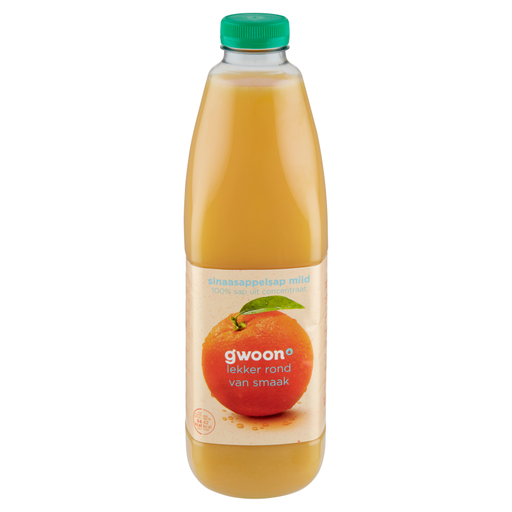
Why This Fits Their Persona: Ideal for families who drink orange juice daily with breakfast. The large 1.5-litre carton offers excellent value for money and ensures there's enough for everyone.
This product is clearly labelled as "orange juice from concentrate." You know you're buying 100% juice, with no confusion for a fruit drink. The nutritional information is transparent, allowing you to assess the sugar content yourself.
Large volume at an accessible price. A practical choice for daily use in a busy household.
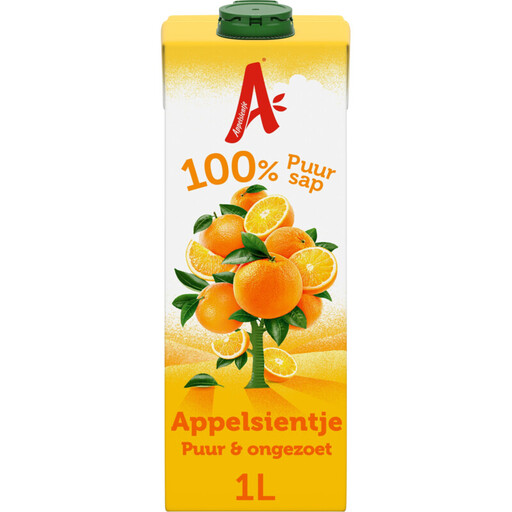
Why This Fits Their Persona: For those seeking the classic taste of pure orange juice with no additives. Appelsientje is a trusted brand that focuses on 100% juice.
This is guaranteed fruit juice, not a fruit drink. The label states "no sugar added," which alleviates concerns about hidden sugars. You get what you expect: pure juice.
100% pure juice. According to the brand, it's made from 15 Brazilian oranges and is naturally rich in vitamin C.
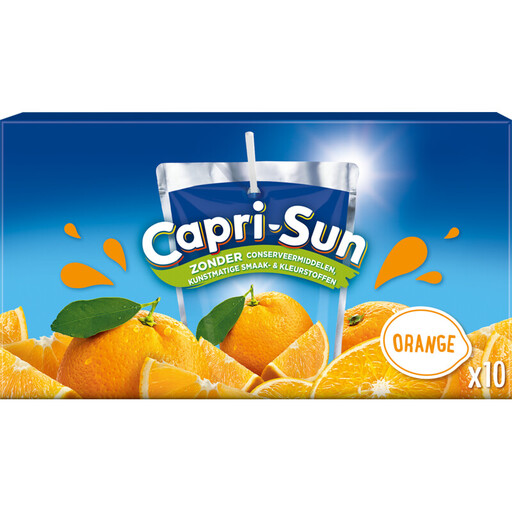
Why This Fits Their Persona: Perfect for parents looking for a convenient drink for school or a day out. The individual, sturdy pouches with straws are easy for kids to carry and use.
This product is an orange drink, not 100% juice, and is presented as such. The ingredient list is clear: water is listed first, and the fruit juice content is 10%. A conscious choice for convenience, not for juice purity.
Convenient 10-pack with individual servings. The packaging is robust and leak-proof, ideal for a school bag.
We have compiled a complete, up-to-date list of products that meet these selection criteria. Find the orange juice that perfectly matches your needs.
The term "orange juice" can only be used for products that consist of 100% orange juice. An "orange drink," on the other hand, is a mix of a smaller percentage of juice, water, and often sugars, sweeteners, and flavourings. Always check the name on the packaging.
Not necessarily. "From concentrate" means that the water was removed from the juice after pressing and later added back. This is done to make transportation more efficient. It is still 100% juice, and the nutritional value is generally comparable to juice not from concentrate, although the taste may be slightly different.
Once opened, orange juice should be stored in the refrigerator. Most juices will stay good for 3 to 5 days. The exact shelf life can vary by brand, so it's always wise to consult the instructions on the packaging.
