
Vandaag of morgen in huis

Kwaliteit gegarandeerd

Welkomstaanbiedingen ontgrendelen: GRATIS bezorging | Tot 80% korting | Gratis 30 dagen JoyPlus-proefperiode
Download de app
A carton of orange juice seems like a simple purchase, but the shelves are packed with choices that are more different than you might think. From pure juice to beverages with a hint of orange, the labels can be confusing. Before you make a choice, it's helpful to know what to look for to avoid buying something other than what you intended.
It's easy to fall for these common pitfalls:
To find a product that fits your needs, it's smart to look at a few specific features on the label. This will help you see through the marketing terms and make an informed choice.
The most important factor is the actual percentage of juice. Legislation makes a clear distinction here:
This is purely a matter of personal preference. Orange juice with pulp contains small pieces of fruit flesh, which some find gives it a fuller mouthfeel. Others prefer a completely smooth juice. Both versions are widely available.
A quick glance at the ingredients list tells you everything.
Based on different needs and occasions, we have highlighted a few popular choices.
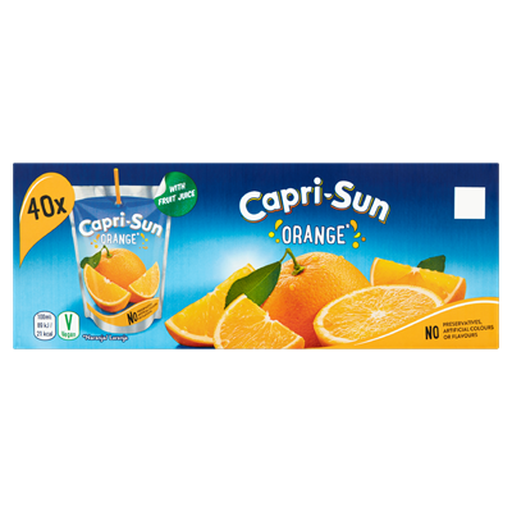
Why This Fits Their Persona: Ideal for families looking for a convenient on-the-go drink. The individual pouches are perfect for school lunches, sports, and day trips. The large value pack makes it a practical choice for weekly grocery shopping.
This product is clearly a fruit drink (10% juice), not 100% juice. The label is transparent, so you know exactly what you're buying: a refreshing beverage rather than a pure juice.
Convenient, leak-proof portable packaging with a straw. Sweetened with sugar and stevia, with no artificial flavours.
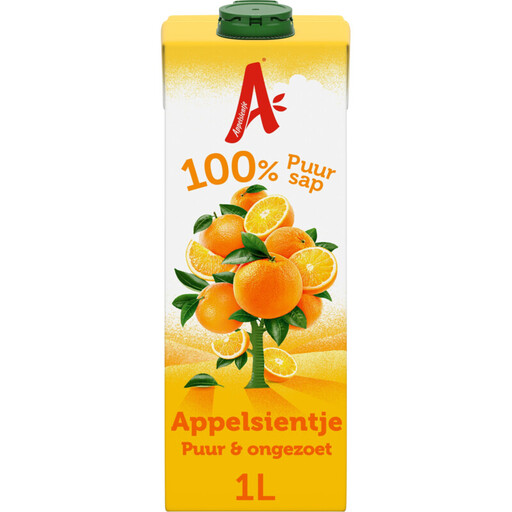
Why This Fits Their Persona: For those who want a glass of pure juice with breakfast, without any additives. This is a classic choice for a reliable, wholesome fruit juice that tastes as it should: like oranges.
This product is exactly what it promises: 100% pure juice. There are no added sugars, sweeteners, or preservatives. The ingredients list is short and clear: orange juice from concentrate.
Contains only naturally occurring fruit sugars and is naturally rich in vitamin C. A straightforward and pure product.
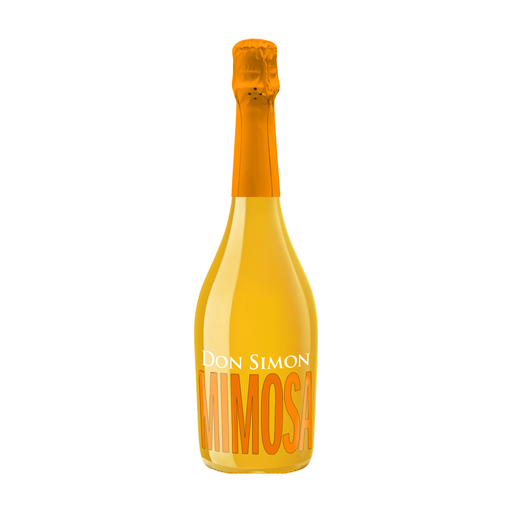
Why This Fits Their Persona: Perfect for anyone hosting a festive brunch, gathering, or breakfast who wants to serve something special without the hassle of mixing. This ready-to-drink mimosa is instantly ready to serve.
This product is very clear about its purpose: it's not an everyday fruit juice, but a festive, alcoholic cocktail. The name 'Mimosa' and the bottle shape immediately communicate that it's for a special occasion.
A ready-to-drink, sparkling mix of Cava and orange juice. Easy and quick to serve for a festive moment.
We have compiled a complete, up-to-date list of products that meet these selection criteria and current regulations.
Orange juice must consist of 100% fruit juice. An orange drink is a collective term for beverages based on orange juice but supplemented with water, sugar, and/or other additives. The juice content is therefore lower than 100%. Always read the ingredients list to see the exact percentage.
After opening, a carton of orange juice typically lasts for 3 to 5 days in the refrigerator (at a maximum of 7°C / 45°F). Always seal the package tightly. The exact shelf life after opening is usually stated on the carton itself.
Juice from concentrate is made by removing water from fresh juice and later adding it back. During this process, some volatile aromas and a small portion of vitamins may be lost, although vitamin C is often added back. Nutritionally speaking, the differences between fresh juice and juice from concentrate are small, as long as no sugar has been added. Both are a source of vitamins and minerals.
