
当日/次日达

品质保障

开启新人专享福利: 全场免邮 | 低至 2 折 | 免费试用 30 天 JoyPlus 会员
下载 Joybuy
As a Joybuy Product Recommendation Officer, I see the vast array of choices in the orange juice aisle every day. The packaging always looks fresh and vibrant, but the contents can vary dramatically. It's easy to get lost among claims like "100% fruit" and "no added sugar".
Before you fill your online shopping basket, it's wise to be aware of a few common pitfalls:
orange drink, a mix of water, a small percentage of juice, sugar, and flavourings. This is entirely different from 100% fruit juice.bulk pack of orange juice might seem economical, but if you don't finish it in time, it leads to waste. Conversely, individual juice boxes are convenient for on-the-go, but often more expensive for daily use at breakfast.To avoid a purchase you'll regret, pay attention to a few objective specifications on the label. This will help you see through marketing messages and choose the product that truly meets your needs.
The term fruit juice is legally protected and can only be used for products that consist of 100% juice. This juice can be directly pressed or made "from concentrate". With concentrate, water is removed from the juice for transport and later added back. The quality is comparable, as long as the final product is 100% juice. Products with a lower percentage, such as 10%, are officially classified as a fruit drink.
Always check the nutritional information table under "Carbohydrates," and then "of which sugars." This figure indicates the total amount of sugar per 100 ml. Compare this across different products. An organic orange juice with no added sugar can still contain a significant amount of natural fruit sugars. Ingredients like "fructose syrup" or simply "sugar" in the ingredients list indicate added sugars.
Consider the occasion. Are you looking to stock up for the weekly breakfast? Then a one-litre carton or a 1.5L bottle is often the most practical and economical choice. For the kids' school bags or a day out, brands like Capri-Sun orange or Wicky orange in their well-known juice boxes are a convenient, portion-controlled option.
Below is a selection of products tailored to specific needs. These recommendations are based on product specifications and the most common use cases in UK households.
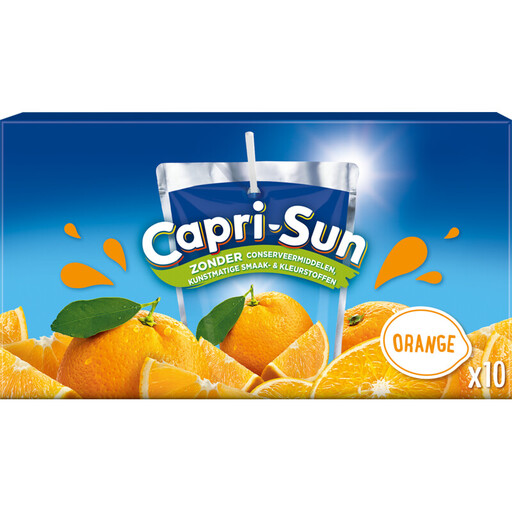
Why This Fits Their Persona: Ideal for families looking for a convenient and recognisable orange drink for school bags or days out. The individual pouches are easy to carry and use.
This product clearly presents itself as a fruit drink, not 100% juice. The ingredients list states a juice content of 10% from concentrate, which correctly manages expectations.
Convenient 10-pack format. According to the manufacturer, it contains no artificial colours or preservatives.
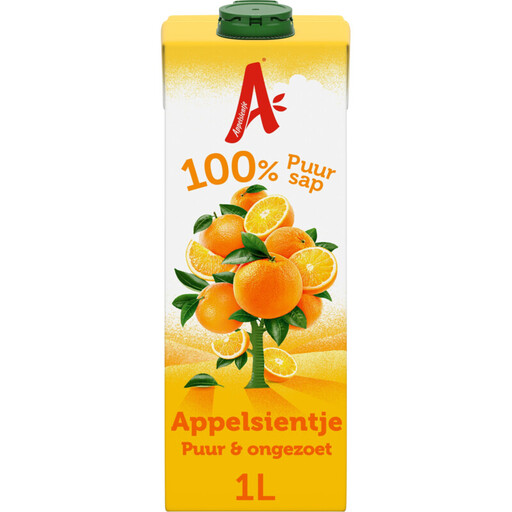
Why This Fits Their Persona: For those seeking a traditional glass of orange juice with breakfast. This is a well-known brand focused on delivering a pure juice experience for the whole family.
The packaging and description are clear: 100% pure fruit juice. The ingredients list confirms this with "Orange juice from concentrate." There is no confusion with a fruit drink.
According to the manufacturer, the product contains no added sugar and is naturally rich in vitamin C, folic acid, and potassium.
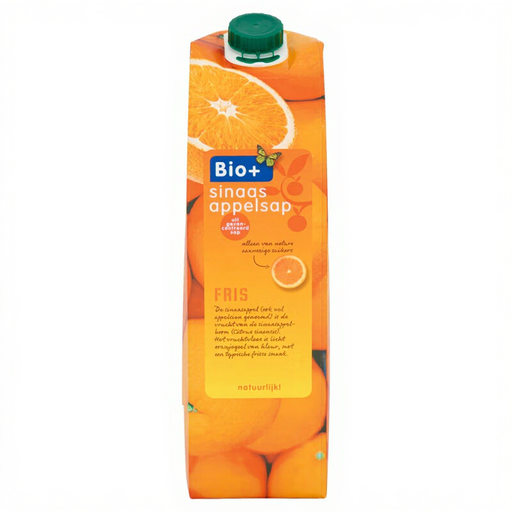
Why This Fits Their Persona: Suitable for consumers specifically looking for an organic orange juice. The focus is on the origin of the ingredients.
The ingredients list is short and clear: "orange juice from concentrated orange juice. From organic origin." This leaves no room for doubt about additives or a lower juice content.
The product is made from organic juice concentrate, which is a key factor for the conscious shopper.
We have compiled a complete, real-time list of products that fully satisfy these strict selection criteria and UK safety regulations.
Orange juice must consist of 100% juice. An orange drink is a water-based beverage to which a percentage of orange juice has been added, often along with sugar and flavourings. The term "juice" is legally protected; "drink" is not regulated in the same way.
Most manufacturers recommend storing an opened carton of fruit juice in the refrigerator (at max. 7°C) and consuming it within a few days. The exact timeframe is always stated on the packaging. Seal the container tightly after each use.
Juice from concentrate is 100% juice from which water has been temporarily removed, usually for more efficient transport. The same amount of water is added back later. Nutritionally, the differences compared to directly pressed juice (not from concentrate) are minor. However, the taste may differ slightly. Both are in a different category from fresh orange juice that you squeeze yourself or buy chilled.
