
Vandaag of morgen in huis

Kwaliteit gegarandeerd

Welkomstaanbiedingen ontgrendelen: GRATIS bezorging | Tot 80% korting | Gratis 30 dagen JoyPlus-proefperiode
Download de app
Microfibre cloths are great for dust, grease, moisture and fingerprints. But not all cleaning cloths are suitable for every surface. A cloth that works well on a worktop can leave lint on a screen. And a cheap set may not be such a bargain if the fibres quickly lose their effectiveness.
So don't just look at the number of cloths in a pack. Also consider the material, the dimensions, the washing instructions and the intended use. With the right choice, you can clean the kitchen, bathroom, windows, furniture and car interior with fewer different products.
A pack of ten cleaning cloths might look appealing, but the size and composition determine how practical the set actually is. Small cloths are easy to handle, while larger ones absorb more moisture and cover a surface more quickly.
Also check whether the pack actually contains ten separate cloths. Some product pages mix up multiple quantities, pack sizes or logistical details. So look at the section that lists the contents of the pack.
Keeping one cloth for the toilet, one for the kitchen and one for glass is more hygienic and prevents grease or cleaning product from being spread around. Different colours can help with this. For example, use blue for glass and mirrors, yellow for the kitchen and grey for furniture or office surfaces.
For screens, lenses and high-gloss materials, you need a soft, lint-free cloth. First check that there is no sand or coarse dirt on the surface. This reduces the risk of scratches.
Fabric softener can affect the fibre structure of microfibre cloths. Bleach can also damage the material. So follow the label or the product instructions. Allow a cloth to dry thoroughly after use and wash heavily soiled ones separately from clothing.
A cloth that is machine-washable according to the product description is generally more practical for regular use than one that can only be rinsed by hand.
Microfibre cloths are usually made from a combination of polyester and polyamide. The ratio and structure affect how the cloth picks up moisture and dirt. A cloth with a denser structure often feels fuller, but a higher weight per square metre is no guarantee of a better result for every task.
A product with a stated density of 260 g/m² gives you more information than a general claim like "extra absorbent". For products without technical fibre details, you can mainly look at the intended use: dry for dust, damp for dirt or suitable for glass.
A microfibre cloth 30 x 30 cm is a practical size for everyday use. It fits in your hand, is easy to rinse out and takes up little space in a cleaning cupboard or car. For windows and larger surfaces, 35 x 35 cm or 40 x 30 cm can be more comfortable to work with.
A glass cloth with a special structure is designed for windows, mirrors and car windscreens. For streak-free cleaning, don't use too much liquid and follow up with a clean, dry cloth if the instructions recommend it.
Reusable cleaning cloths are most practical when they are easy to wash. Check:
Washable cleaning cloths can be suitable for households, offices and small businesses, but their lifespan depends on the level of soiling, the wash programme and how they are cared for. Replace cloths when they become stiff, smell unpleasant or show visible damage.
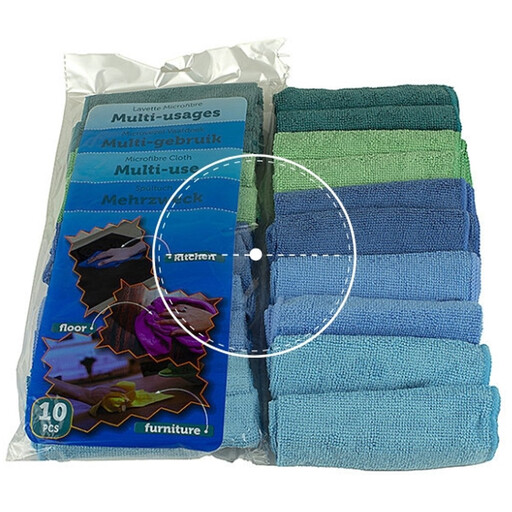
Why this fits the profile: According to the product description, the set contains 10 microfibre cloths measuring 30 x 30 cm in different colours. This makes colour coding in the kitchen, bathroom and living room simple.
The number of pieces, the size and the colours are clearly stated. This means you are less likely to use one cloth for multiple rooms.
Set of 10; size 30 x 30 cm; washable and reusable according to the product description.
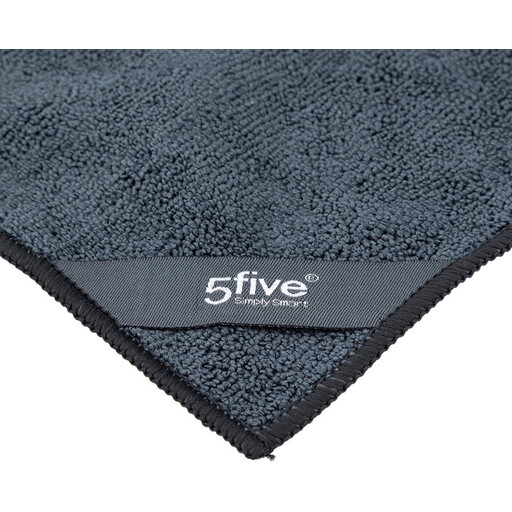
Why this fits the profile: The three colours and the 40 x 30 cm size suit households or offices that maintain a variety of smooth surfaces.
The product description mentions separate use for dry dust and for wet dirt or grease. It also states a washing recommendation of a maximum of 40 °C, without fabric softener or bleach.
Set of 3; three colours; polyester and polyamide stated; size 40 x 30 cm.

Why this fits the profile: This cloth is designed for everyday use at home, in the car or at the office and has a density of 260 g/m² according to the product details.
The product information states the material, size, density and a specific washing recommendation of up to 60 °C. This makes it easier to compare than a cloth without technical details.
260 g/m²; 30 x 30 cm; machine washable up to 60 °C according to the product description; suitable for cars and delicate surfaces, among others.
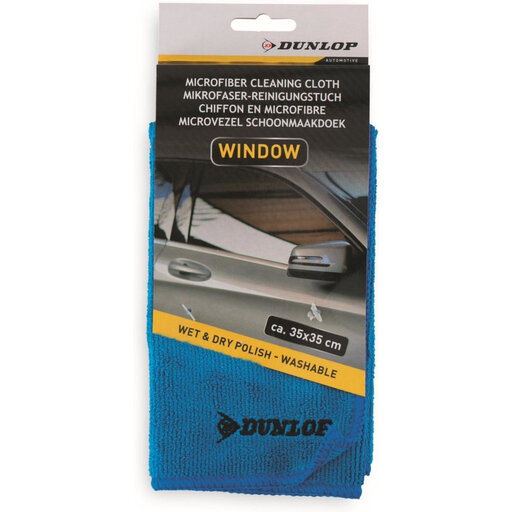
Why this fits the profile: According to the product description, this cloth is intended for glass and car windscreens. The 35 x 35 cm size offers a bit more working surface than a standard 30 x 30 cm cloth.
The intended use is clearly defined. So you choose this car cleaning cloth not based on a general claim, but on material, size and application.
35 x 35 cm; blue cloth; suitable for glass, car windscreens and repeated rinsing with water according to the product description.
We have put together a full, up-to-date list of products that fully meet these strict selection criteria and current European safety regulations.
Use a dry cloth for loose dust and a slightly damp cloth for fingerprints or spilled dirt. For windows and mirrors, it helps to remove coarse dirt first. Then work from top to bottom and fold the cloth over once a side becomes dirty.
For kitchen cloths, grease residue saturates the fibres more quickly. So rinse the cloth straight away or use a separate cloth for the hob. Use a dusting cloth for furniture dry, unless the surface care instructions say otherwise.
For screens and other delicate surfaces:
That depends on the quality, the use and how they are cared for. Wash the cloth according to the label, avoid fabric softener and let it dry completely. A cloth that becomes stiff, fluffy or damaged needs replacing.
Many microfibre cloths are suitable for glass, but not every cloth has the same structure. A glass cloth with a stated application for windows or mirrors is a logical choice. Remove sand and coarse dirt first to help prevent scratches.
Not always. According to various product descriptions, some cloths can be used dry or damp, possibly with a little cleaning product. Always check the care advice for the surface and do not use more liquid than necessary.
