
Vandaag of morgen in huis

Kwaliteit gegarandeerd

Welkomstaanbiedingen ontgrendelen: GRATIS bezorging | Tot 80% korting | Gratis 30 dagen JoyPlus-proefperiode
Download de app
Microfibre cloths are handy for windows, kitchens, bathrooms, furniture and car interiors. However, cleaning cloths vary greatly in material, size, density and care. A cheap microfibre cloth might be fine for dust, but less suitable for glass or heavy-duty use.
If you only look at the number of cloths or a low price, you could miss some common pitfalls.
A microfibre cloth set with ten pieces might look appealing, but you should also check the size, thickness and weight per cloth. Thin cloths can be suitable for light daily tasks, whereas a heavier cloth absorbs more moisture and feels nicer on larger surfaces.
Also pay attention to the difference between reusable cleaning cloths and moist disposable wipes. A washable cloth needs care, but with proper use it can be used more often.
A product description might state that a cloth is suitable for streak-free cleaning. However, that result also depends on the amount of water, the type of surface and the condition of the cloth. A cloth that has previously been used on greasy kitchen surfaces could leave smears on a window.
Therefore, use separate cloths for glass, bathroom, kitchen and car. Different colours in a set help you keep those tasks apart.
Microfibre cloths are often made from polyester and polyamide. Other products use a different fibre composition or describe the material differently. For example, the Dunlop cloth for glass is described in the product information as 100% viscose, with a special structure for glass surfaces.
Always check the full product specifications. Don't just look at words like "premium", "extra absorbent" or "professional".
A cloth of around 30 x 30 cm is practical for mirrors, worktops, furniture, screens and car interiors. The size sits well in the hand and can be folded several times for different clean surfaces.
For floors, a larger size is more efficient. A floor cloth of 50 x 60 cm covers more surface area and works with a floor mop or manual floor cleaning.
Density is sometimes stated in g/m². A microfibre cloth of 260 g/m² is heavier than a very thin cloth of 0.1 cm thickness, for example. A higher density can indicate more material and a fuller feel, but on its own it doesn't tell you everything about cleaning performance.
Look at the combination of:
Check the recommended washing temperature. Some cloths can be washed at up to 60 °C, while other products specify a 30 or 40 °C wash cycle. According to the product information, a floor cloth can sometimes be washed at up to 90 °C.
With microfibre cloths, generally do not use fabric softener. It can coat the fibres and affect absorbency. Wash heavily soiled cloths separately from clothing and let them dry thoroughly before storing.
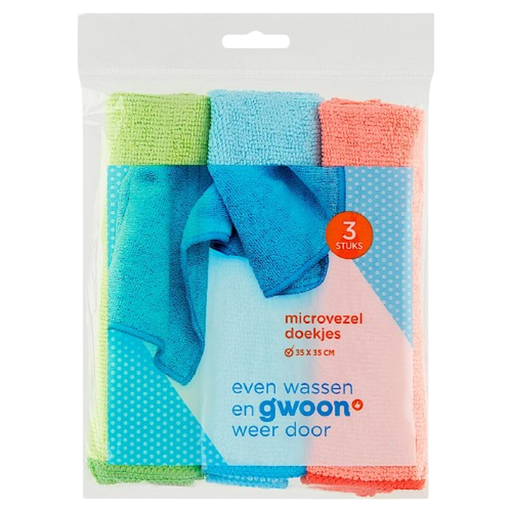
Why this fits the profile: A compact set of 3 cloths for households that want to clean various basic surfaces without buying a large stock straight away.
The number of pieces and the packaging are clearly stated. Do check the current material and care information on the product page.
Set of 3 pieces; intended for cleaning and maintaining various surfaces.

Why this fits the profile: For those who prefer to choose a single cloth with a specified density rather than a set where weight and structure are not mentioned.
The product information states 260 g/m², 30 x 30 cm and machine wash at up to 60 °C. This allows you to compare the cloth more concretely.
Density of 260 g/m²; suitable for dry dusting and damp cleaning; washable without fabric softener.
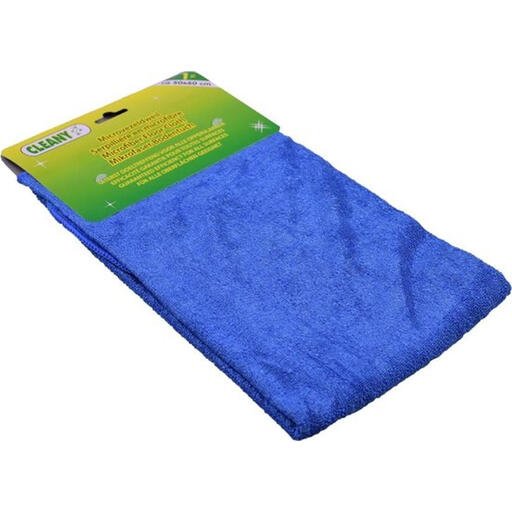
Why this fits the profile: The larger size is designed for floors and larger smooth surfaces, for example in households with lots of floor space.
The dimensions of 50 x 60 cm and its use as a microfibre mop are clearly indicated. It is therefore not a small all-purpose cloth.
Large floor size; according to the product information, washable at up to 90 °C; intended for use on wood, laminate, PVC and tiles, among others.
We have compiled a full, up-to-date list of products that fully meet these strict selection criteria and current European safety regulations.
For streak-free cleaning of glass and mirrors, a separate glass cloth usually works better than a cloth that has already been used for grease or dust. Dampen the cloth lightly, work from top to bottom and use a dry section for buffing.
For furniture and screens, you can use a dry microfibre cloth to pick up dust. With electronics, it is wise to only slightly dampen the cloth and not apply liquid directly to the device.
A microfibre dish cloth is suitable for worktops and washing-up related tasks, but let it dry completely after use. For the car, there are specific variants, such as a car cloth for windows or interior. On painted parts, only use a clean, soft cloth and first check the instructions from the surface manufacturer.
That depends on the fibres, the washing instructions and how heavily the cloth is used. Washable cleaning cloths can be reused as long as they retain their structure, do not fray and do not hold onto stubborn odours. Always follow the instructions on the label or product page.
This is generally not recommended. Fabric softener can leave a coating on the fibres, which may reduce the cloth's ability to absorb moisture and dirt. Use a suitable wash programme and let the cloths dry completely.
Choose a cloth that is specifically offered for glass, such as a glass cloth with a smooth or textured finish. A size of around 30 x 30 or 35 x 35 cm is manageable. Use a clean cloth and avoid too much cleaning product, as residue can cause streaks.
