
Vandaag of morgen in huis

Kwaliteit gegarandeerd

Welkomstaanbiedingen ontgrendelen: GRATIS bezorging | Tot 80% korting | Gratis 30 dagen JoyPlus-proefperiode
Download de app
Written by: Joybuy Product Recommendation Officer
Are you tired of the endless battle against streaks on your windows and mirrors? Or the dust that you just seem to move around instead of remove? A clean home brings peace of mind, but getting there can be frustrating. However, the right tools make all the difference. High-quality cleaning cloths are the foundation of any cleaning task.
As a Joybuy Product Recommendation Officer, I'm here to help you with practical advice. In this article, we'll explore what to look for when purchasing microfiber cloths and similar polishing cloths, so you can make a choice that suits your household.
The shelves are filled with options. To help you make the right choice, here are a few key points to consider.
With microfiber cloths, you'll often see the term GSM. This stands for grams per square meter and indicates the density of the fibers. A higher density (e.g., 250 GSM or more) typically means the cloth can absorb more dirt and moisture. These cloths, usually a blend of polyester and polyamide, attract dust and dirt like a magnet. This makes them ideal for streak-free cleaning.
Not every cloth is suitable for every job. A coarsely woven cloth is perfect for scrubbing the kitchen, while a fine, smooth cloth works better for a streak-free clean on glass and screens. There are also special cloths for polishing your car. A good car polishing cloth is soft enough not to damage the paint but effective at removing dirt. Using different cloths for different tasks yields better results and prevents cross-contamination.
A major advantage of microfiber is its durability. These reusable cleaning cloths can be washed hundreds of times. To maintain their effectiveness, it's best to wash them without fabric softener. Fabric softener clogs the fine fibers, reducing their absorbent and dirt-attracting properties. Washing at a temperature up to 60°C (140°F) is usually sufficient to kill bacteria. Air-dry them for the longest lifespan.
Based on product specifications and intended uses, we've compiled a list of popular choices for you.
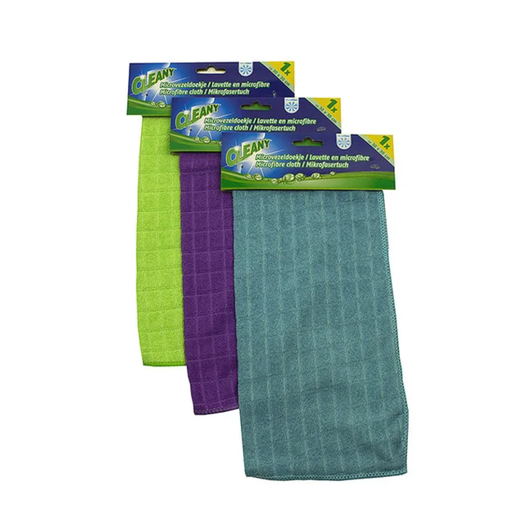
Why It Stands Out: This cloth is notable for its high density. At 260 GSM, it offers powerful cleaning performance. The densely woven fibers are designed to efficiently trap dust, dirt, and grease, often without the need for cleaning agents.
Pros:
Who It's For: Ideal for those looking for a powerful, all-purpose cloth for various tasks in and around the home, from the kitchen to the office.
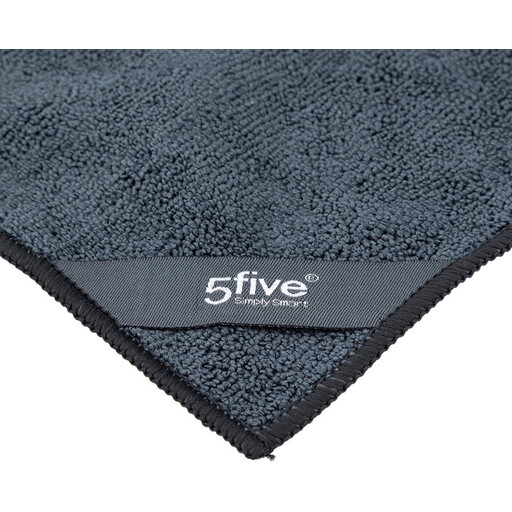
Why It Stands Out: This set from 5five offers a practical solution with three different cloths. According to the manufacturer, each cloth is designed for specific surfaces, ensuring you have the right tool for every cleaning task.
Pros:
Who It's For: For households that prefer organized cleaning and want to use a specific cloth for each task.
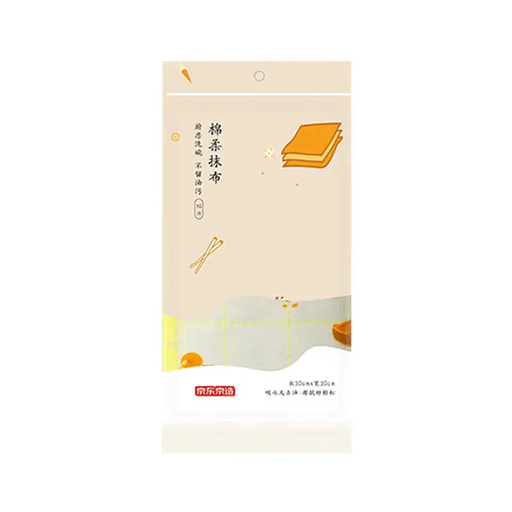
Why It Stands Out: As an alternative to microfiber, these cotton polishing cloths are an excellent choice. Cotton is known for its high absorbency, making these cloths perfect for wiping up spills and tackling grease in the kitchen. The 10-pack ensures you always have a clean cloth on hand.
Pros:
Who It's For: For those who prefer natural materials or need a large supply of cloths for the kitchen and other intensive cleaning jobs.
Now that your surfaces are sparkling, you might want to give your laundry some extra care too. Fresh laundry contributes to a clean and pleasant home. For laundry that feels soft and smells wonderful, consider enhancing your routine.
Check out our range of dryer sheets and discover how to give your laundry that little something extra.
Wash microfiber cloths in the washing machine at a temperature up to 60°C (140°F). Use a small amount of detergent and absolutely avoid fabric softener and bleach. Preferably, wash them with similar (non-linting) materials. Let them air-dry or use a dryer on a low-temperature setting.
Yes, microfiber cloths are very suitable as a car polishing cloth. Use a thick, soft cloth for washing to pick up dirt without causing scratches. Another clean, dry cloth with a finer weave is ideal for streak-free drying and polishing of the paint and windows.
The main difference lies in the fiber. Microfiber consists of extremely thin synthetic fibers (polyester and polyamide) that electrostatically attract and hold dirt and dust. Cotton is a natural fiber that excels at absorbing liquids. For dusting and streak-free cleaning, microfiber is often the better choice, while cotton is ideal for cleaning up spills and scrubbing with soap and water.
