
Vandaag of morgen in huis

Kwaliteit gegarandeerd

Welkomstaanbiedingen ontgrendelen: GRATIS bezorging | Tot 80% korting | Gratis 30 dagen JoyPlus-proefperiode
Download de app
Microfibre cloths may seem simple at first: choose a pack, wipe the surface and you’re done. In practice, cleaning cloths vary considerably in size, density, lifespan and use. Choosing the wrong one can leave streaks on windows, cause a floor cloth to come loose or leave you with a cloth that loses its effectiveness after just a few washes.
This buying guide helps households, pet owners and small-scale professional users compare microfibre cloths with confidence. From washing-up and dusting cloths to a microfibre mop or cloths for Swiffer, here are the key things to look out for.
A pack with lots of cloths may seem like a good deal, but the size and quality determine how useful each cloth is in practice. A small 30 x 30 cm cloth is handy for the kitchen, bathroom and furniture. For cleaning floors, you’ll usually need a larger size, such as 46 x 27 cm or 50 x 60 cm.
So always compare:
A cloth for dusting isn’t automatically suitable for windows, screens or wooden floors. A wet floor cloth isn’t intended for untreated, oiled or waxed wood either. Check the product description and care instructions before using a new cloth.
For damp floor wipes, you should also check which floor types they’re suitable for. For example, the product description for Swiffer Floor Cleaner Wet Floor Wipes warns against using them on untreated, oiled or waxed parquet, untreated natural stone and carpets.
Words such as “super absorbent”, “streak-free” and “powerful dirt removal” often come from a product description or manufacturer. Don’t treat them as a guarantee for every surface or cleaning situation. Product descriptions for various microfibre cloths indicate that results depend, among other things, on the amount of water, the type of dirt and the surface.
So look for verifiable details such as material, dimensions, density, washing instructions and compatibility.
Microfibre is generally made from very fine synthetic fibres. Its structure can trap dust, dirt and moisture, but how well a cloth works in practice varies. For example, a density of 260 g/m² is listed for the Microfibre Cloth 30 x 30 cm Set of 1. This is useful information for comparing different cloths.
A higher stated density may mean that a cloth feels thicker, but it doesn’t tell you on its own how well it will work for your needs. Also consider the finish, reinforced edges and absorbency.
Compact cleaning cloths of around 30 x 30 cm are practical for furniture, mirrors and worktops. A larger size is more efficient for floors, as it covers more surface area with each movement.
Already have a floor mop? Check the dimensions and attachment method. The Nimbus Magic Floor Wipes Refill, measuring 46 x 27 cm, is described as a universal refill for many floor mops. However, ‘universal’ doesn’t mean it will fit every holder perfectly, so check the fit before buying.
Reusable cleaning cloths can be cost-effective if you use them regularly. Check the maximum washing temperature and whether fabric softener is recommended. The 260 g/m² cloth is listed as washable at up to 60 °C, without fabric softener. Care instructions may vary for other cloths.
Where possible, wash cloths for the kitchen, bathroom, windows and toilet separately. Follow the instructions on the packaging when drying them. A cloth that has lost its fibre structure or sheds a lot of lint is less suitable for glass and smooth surfaces.
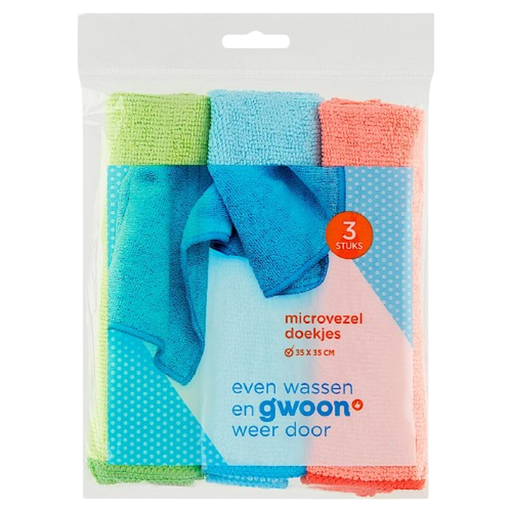
Why it suits this user: A simple set of 3 cloths for everyday use in the kitchen, bathroom and living room. The product description says they’re designed to pick up dust and dirt from a range of surfaces.
The number of cloths and pack size are clearly stated, making it easy to compare the set with individual cloths or larger microfibre cloth sets.
3 cloths per pack; suitable for various household surfaces according to the product description.

Why it suits this user: With a stated density of 260 g/m² and a size of 30 x 30 cm, this cloth is suitable for everyday tasks when you want a compact, reusable option.
The material, density, dimensions and washing instructions are all clearly stated. That means you don’t have to rely on vague marketing claims alone.
260 g/m²; 30 x 30 cm; machine washable at up to 60 °C according to the product information.
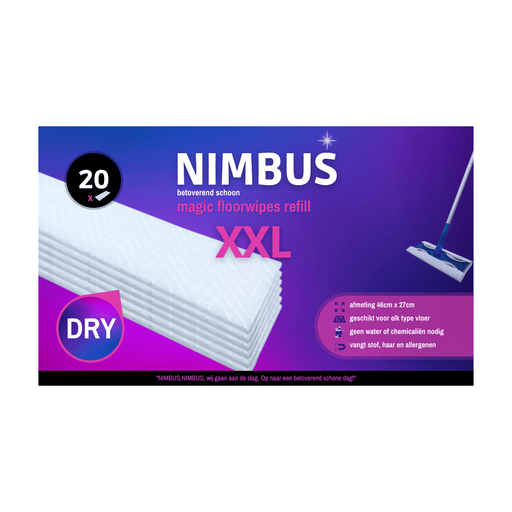
Why it suits this user: This refill is designed for dry removal of dust and hair from hard floors. According to the product description, the cloths fit many existing floor mops.
The 46 x 27 cm size and pack of 20 are easy to check before buying. Make sure the cloth fits your floor mop properly.
20 floor cloths; large size; designed to pick up dust and hair according to the product description.
Reusable microfibre cloths are a good choice if you regularly clean furniture, worktops, windows or bathroom fittings. You won’t need to buy new cloths as often, but you’ll need to wash them correctly and keep them separate for different cleaning areas.
Disposable floor wipes are handy for quick cleaning, for example if you have pets or need to deal with everyday dust on hard floors. The Cleany Dust Wipes come in a pack of 50 and measure 42 x 25 cm, according to the product description. They’re designed for use on surfaces including laminate, tiles, parquet and PVC. Dispose of them after use and always check that they’re suitable for your floor type.
For wet cleaning, you could also choose a reusable microfibre mop, such as a 50 x 60 cm floor cloth. Check how it attaches, whether it’s washable and whether you’ll need a separate mop handle or holder.
We’ve put together a complete, up-to-date list of products that meet these strict selection criteria and the applicable European safety regulations.
Use a clean cloth and dampen it slightly when cleaning glass, mirrors or smooth surfaces. Fold the cloth into sections so you can use several clean sides. Wash it according to the label and avoid fabric softener if the product instructions say to.
Their lifespan depends on how they’re used, the wash cycle, the type of dirt and how they’re dried. A cloth that frays, sheds lint or absorbs less moisture is ready to be replaced. Washing cloths separately from abrasive materials will generally help keep their fibre structure in good condition for longer.
No. Always check the floor type and whether the cloth is intended for dry or wet use. Static floor cloths are mainly designed for dust and hair. For stubborn stains, you’ll usually need a suitable damp floor cloth or mop. Follow the warnings on the packaging, especially for untreated wood, natural stone and delicate coatings.
