
Vandaag of morgen in huis

Kwaliteit gegarandeerd

Welkomstaanbiedingen ontgrendelen: GRATIS bezorging | Tot 80% korting | Gratis 30 dagen JoyPlus-proefperiode
Download de app
Lemonade syrup is a staple in many household cupboards. It's convenient, economical, and a quick way to add flavour to water. But the syrup aisle is also a maze of marketing claims. One bottle promises "0% sugar," another "pure fruit," while the price per bottle varies widely. How can you know what you're really buying?
As a Joybuy Product Recommendation Officer, I'm here to help you decipher the labels and navigate the pitfalls. We'll look beyond the colourful packaging to what's really inside the bottle, so you can make a choice that fits your taste, budget, and lifestyle.
Before you put a bottle in your basket, it's wise to be aware of a few common misconceptions.
sugar-free syrup sounds like a healthy choice. Often, this means the sugar has been replaced with sweeteners like sucralose or stevia. That's fine if you're consciously avoiding sugar, but it's no guarantee of a "natural" product. Some syrups contain other additives in addition to sweeteners.squash might seem like a good deal, but is it really? The key lies in the dilution ratio. A syrup with a 1-to-7 dilution ratio will run out much faster than one with a 1-to-11 ratio. As a result, the price per glass can end up being unexpectedly higher.To make an informed choice, you only need to pay attention to a few specifications on the label. These are the most important ones:
The foundation of any lemonade syrup is sweetness. The question is, from what source? Check the first few items on the ingredients list.
0% sugar syrup or sugar-free lemonade, you'll often find names like sucralose, acesulfame-K, or steviol glycosides (from stevia). These provide sweetness without the calories of sugar. The choice between them is a personal preference.Want a genuine fruit syrup? Then check the percentage of juice from fruit juice concentrate. A higher percentage typically means a richer, more authentic fruit flavour. Brands like Karvan Cevitam often specify this clearly on the front (e.g., "with 75% fruit"), while other syrups only mention the percentage in the fine print. If the label only lists "flavouring," the taste has been artificially created.
Don't be guided by the bottle price alone. The dilution ratio (e.g., 1:7, 1:9, or 1:11) determines how many glasses you can get from one bottle.
In this case, the more expensive Bottle B is actually cheaper per glass. A quick calculation can save you money in the long run.
Based on these objective criteria, we've highlighted several popular choices that cater to different preferences.
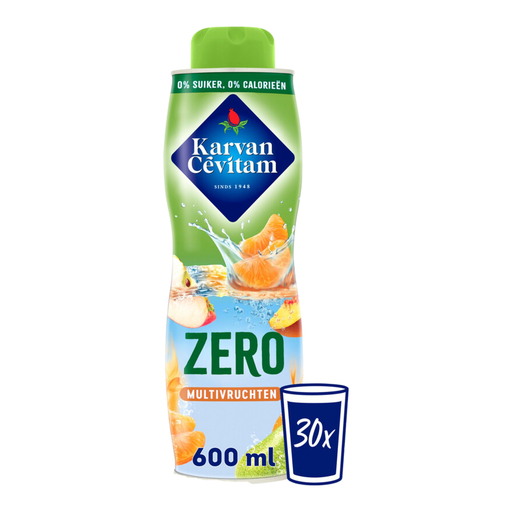
Why This Fits Their Persona: Ideal for those looking to consciously limit sugar and calories without sacrificing a full, fruity flavour. The added vitamin C is a practical bonus for families.
This syrup is transparent about its "0% sugar" claim and specifies the use of sweeteners. It avoids the "fruit flavour" trap by stating it contains 100% natural flavours and no artificial colours.
Contains 0% sugar and 0 calories. According to the manufacturer, it is a source of vitamin C and made with natural flavours.
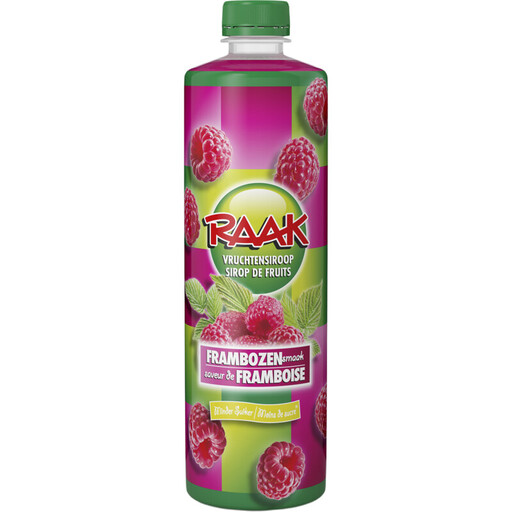
Why This Fits Their Persona: For those seeking the familiar taste of classic squash. A no-nonsense choice that appeals to all ages, perfect for birthday parties or as an everyday thirst quencher.
This syrup makes no extreme claims. The label states it contains "less sugar than regular fruit syrups," which is an honest positioning. It is based on real fruit juice (13% from concentrate).
Recognisable, sweet raspberry flavour. One bottle makes 30 glasses, ensuring excellent value for money.
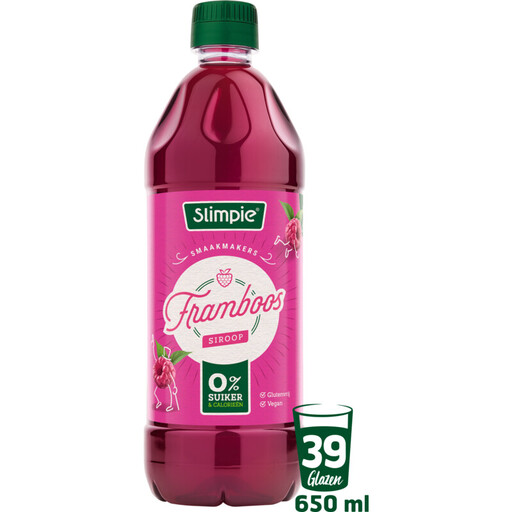
Why This Fits Their Persona: Perfect for students, large families, or anyone watching their expenses. The focus here is on maximum yield per bottle, resulting in a very low price per glass.
This product directly tackles the 'false economy' pitfall. Its unique 1+11 dilution ratio is the main selling point, allowing you to get significantly more lemonade from a single bottle than with most competitors.
Extremely economical to use thanks to the 1+11 dilution ratio, making almost 8 litres (39 glasses). Additionally, it is a 0% sugar and zero-calorie option.
We have compiled a complete, up-to-date list of products that meet these objective selection criteria and current regulations.
Most manufacturers recommend refrigerating the drink syrup after opening and consuming it within a specific period. This period varies but is typically between a few weeks and a couple of months. You can always find the exact shelf-life information on the packaging. Sealing the cap tightly helps preserve its quality.
In common parlance, the terms are often used interchangeably. "Ranja" was originally a Dutch brand name for an orange cordial that became so popular it evolved into a generic term for dilutable lemonade. Lemonade syrup is the official, overarching term for all types of concentrated syrups that you dilute with water.
Yes, you certainly can, and it's a popular way to make your own fizzy drinks. However, the golden rule is: always add the syrup after you have carbonated the water. Adding the syrup beforehand can lead to excessive foaming, a sticky mess, and potential damage to your machine.
